Paris · Food & Drink
Saint-Germain-des-Prés: Where Paris Dines and Debates
Saint-Germain-des-Prés · Paris, France
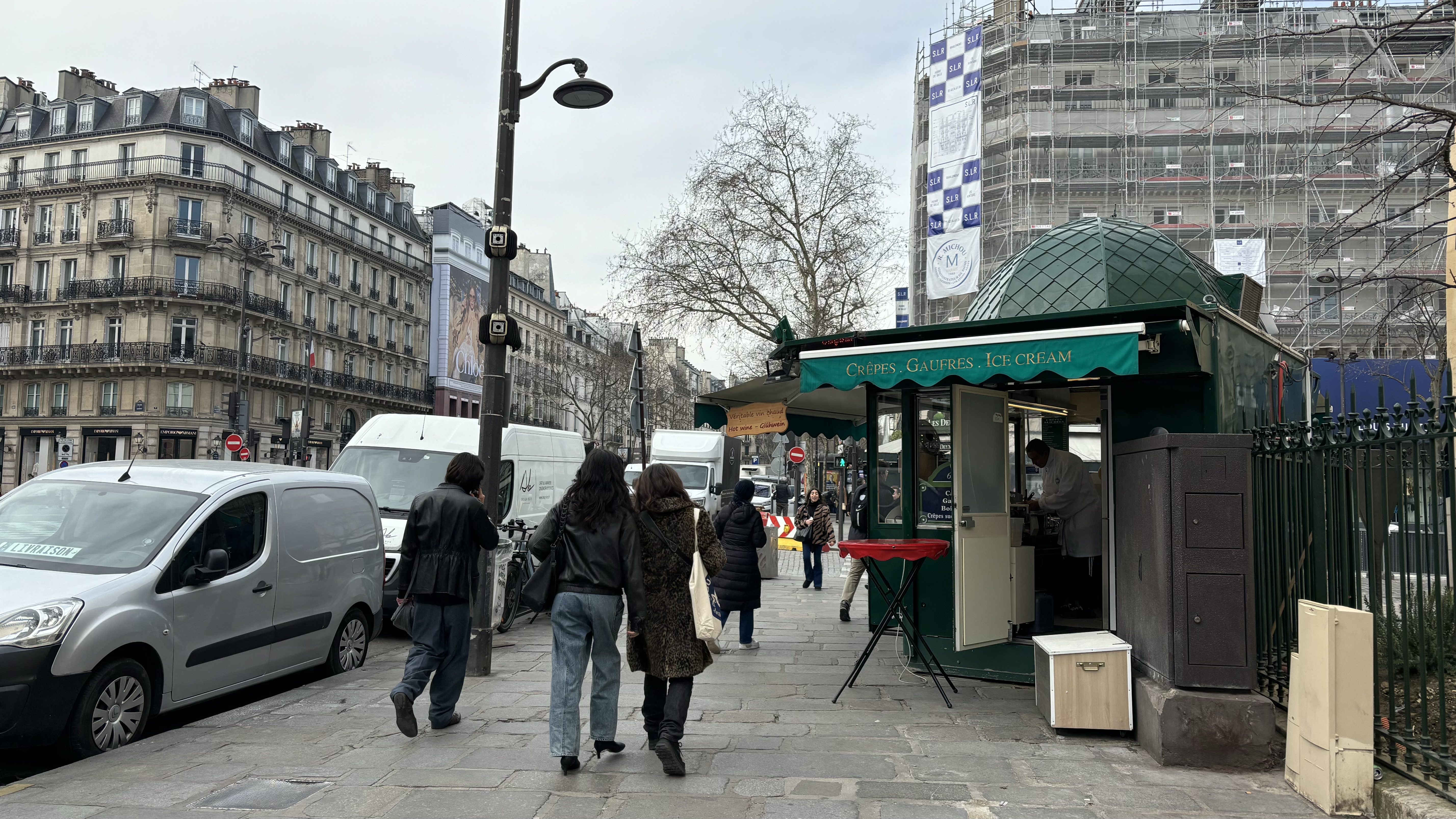
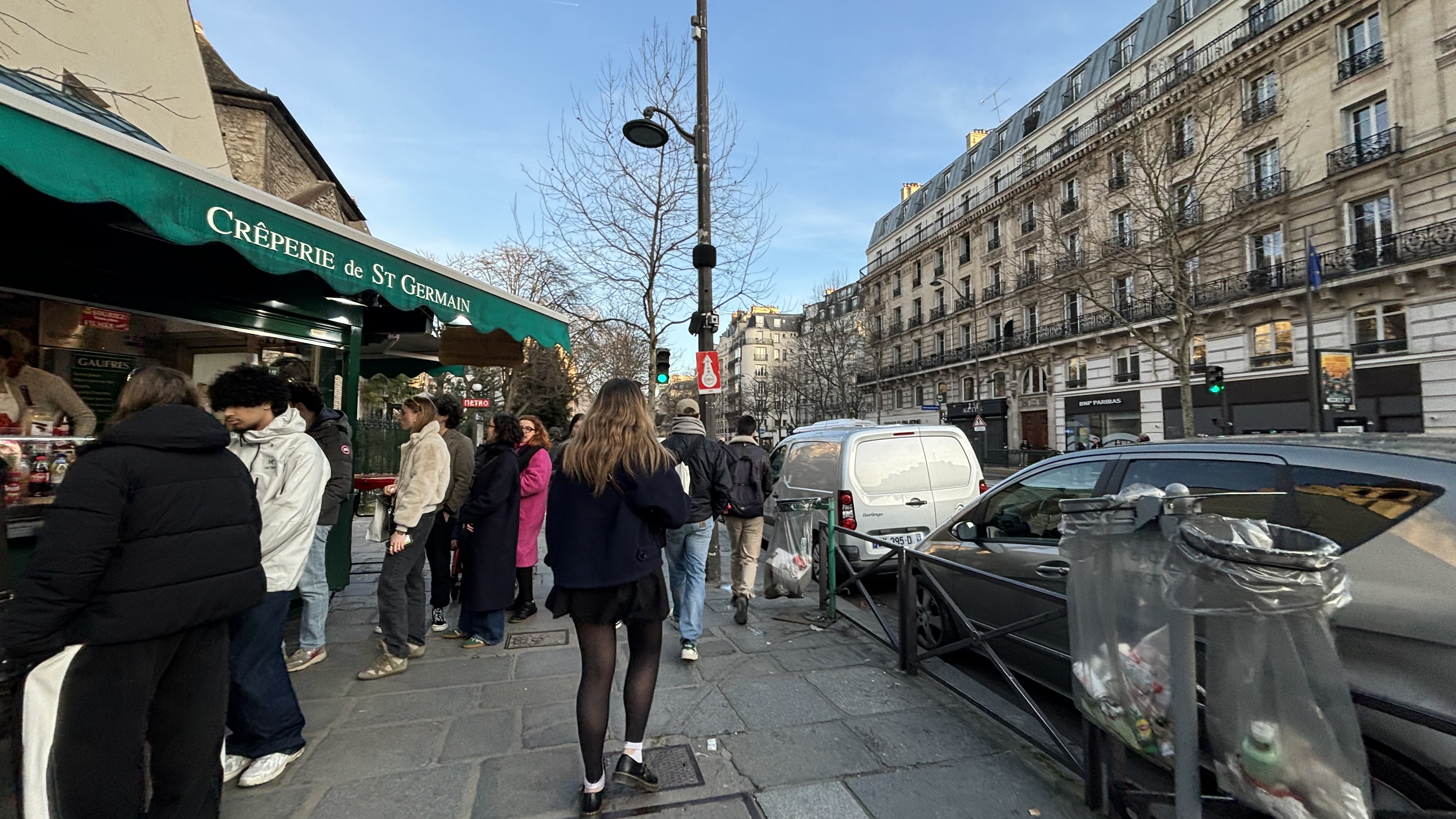
Saint-Germain-des-Prés metro station has two exits close to each other, so if you pick the wrong one, you can quickly find your way back. Exit 1 comes out by the Église Saint-Germain-des-Prés. Right outside is a crêpe stand, popular enough to have long lines on weekends. If you're peckish, start the tour with a bite. Immediately to the right of the stand, as you face it, is the church, whose steps make a nice spot to sit and listen. The church traces its 1,500-year history to a 6th-century abbey, and the present Romanesque building dates largely from the 11th century, making it one of the oldest churches in Paris.
The story of Saint-Germain-des-Prés begins in the 6th century, when a small abbey was founded in the fields (prés) outside the city walls. The abbey grew into a center of religion and culture and became one of the most attractive districts in Paris. In the 17th century, urbanization drew the aristocracy and clergy, who built numerous monasteries and noble mansions, and the area became a lively hub of social, spiritual and cultural life.
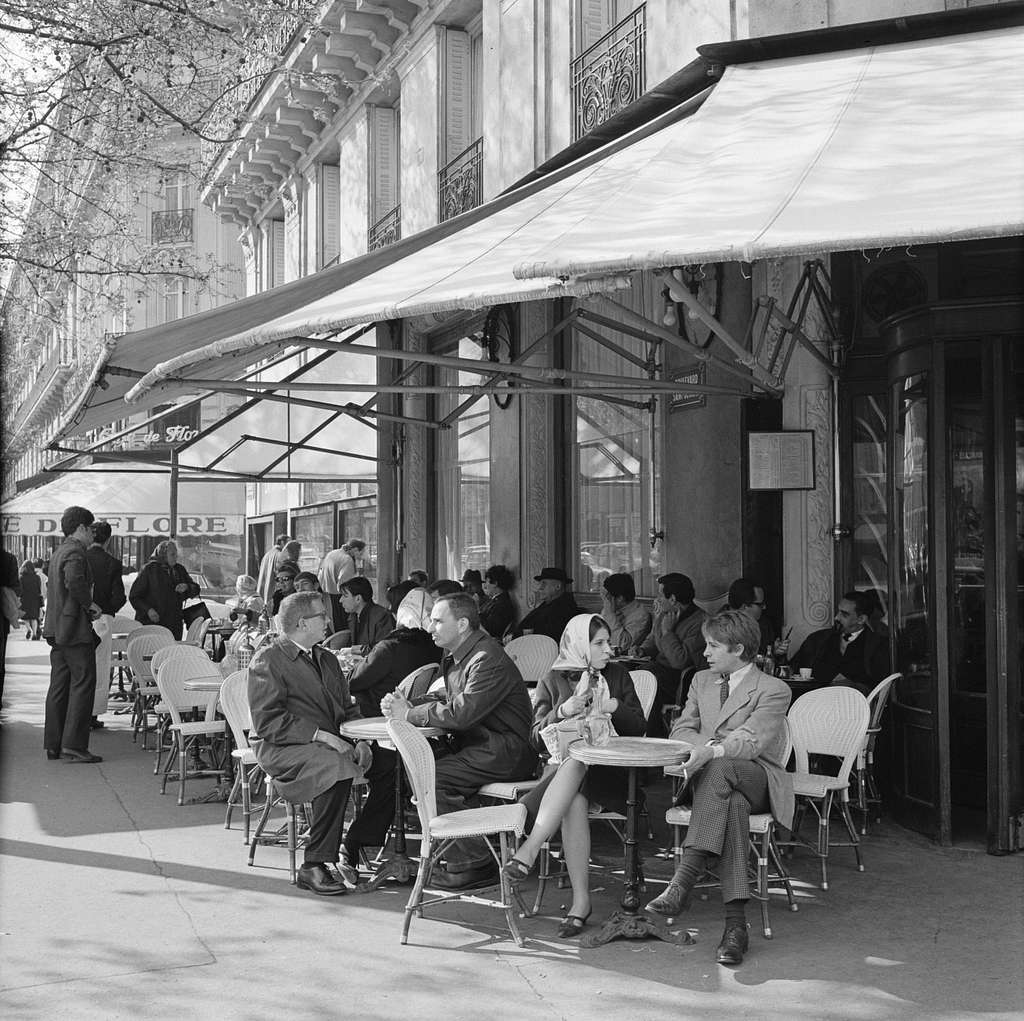
In the 18th century, Enlightenment philosophers and artists flocked here, and the district grew into a center of culture and intellectual life. Thinkers like Voltaire and Rousseau debated over coffee in its cafés, giving rise to the area's distinctive café culture. In the 20th century, existentialism flourished here alongside intellectuals such as Jean-Paul Sartre and Simone de Beauvoir. Historic cafés such as Café de Flore and Les Deux Magots became their haunts, and the neighborhood naturally became a center of gastronomy too. As famous chefs and gourmets arrived, fine restaurants, brasseries, bakeries and chocolate shops opened, and the area's reputation rose further.
This history made the neighborhood one of the most upscale in Paris. Famous artists, intellectuals and wealthy Parisians settled here, boutiques and luxury shops multiplied, and it became one of the most expensive areas in the city. Even so, it still offers a genuine taste of Parisian life. Beyond the famous cafés and restaurants, small markets tucked into side streets, little wine bars loved by locals and neighborhood bistros preserve Paris's character. A food tour here is more than a tasty meal: it's a chance to taste and feel Paris's history and culture firsthand.
Now, leaving the station and walking in the direction you face the crêpe stand, cross the crosswalk right ahead, and two legendary cafés await. First up is Les Deux Magots.