Paris · Food & Drink
A Guide to French Wine and Liqueurs
Saint-Germain-des-Prés · Paris, France
On a visit to a French friend's home, the friend's father let me taste a drink he had made himself from mirabelle, a sweet fruit similar to an apricot. It was sweet and delicious, but quite strong, so I couldn't drink much. France has long had a home-brewing tradition, with farmers making their own fruit wines and spirits. They are known as bouilleurs de cru, farmers who distill drinks from their own produce. Under past law, they were entitled to keep roughly 10 liters (in alcohol equivalent), or 20 liters' worth of spirits, of home-made drink tax-free. In the countryside, itinerant distillers with mobile stills would travel from village to village distilling fermented fruit, and when the aroma of liquor spread through town, people gathered for communal dinners that felt like festivals. The custom has faded as generations have changed, and today only older people keep it going. The tax privilege was abolished in 2008 and the practice nearly disappeared, but some public sentiment holds that old men shouldn't be deprived of their pleasure, so it survives in places.
French drinking has fallen from its old levels, but France still consumes a lot of alcohol. Even if they no longer make it at home, the French mostly drink French drinks, because the country's own variety is already so rich that there is no need to look elsewhere.
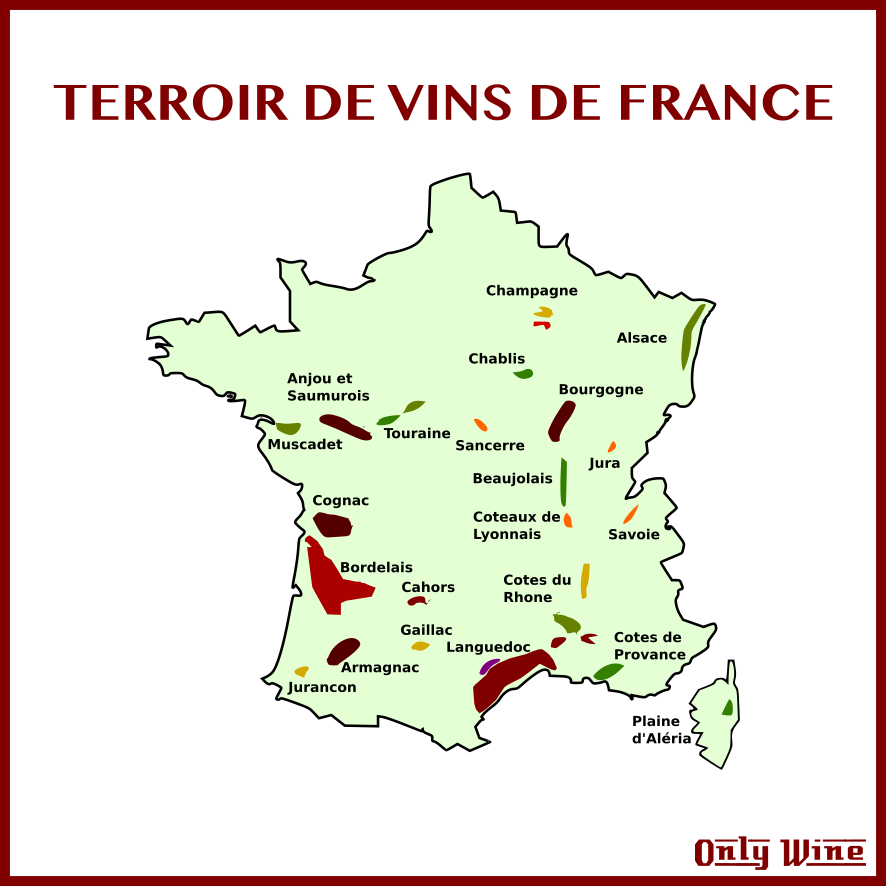
WINE REGIONS AT A GLANCE Apart from the northwest, which includes Paris, almost every part of France produces wine. The country covers some 550,000 square kilometers, and its terroir (climate, soil and everything else combined) varies so widely that each region's wines have a distinct character, so there is always something new. In the east, Champagne produces the world's finest sparkling wine. Just below it, Chablis is known for crisp, fresh white wines. Burgundy makes the world's most expensive Pinot Noir; farther south, the Rhône produces spicy reds that pair well with richly spiced food. In the southwest are the storied reds of Bordeaux, and in the warm south, Languedoc produces rich, aromatic reds in huge volumes.
WHAT SHOULD YOU DRINK IN FRANCE? Premium Bordeaux classified as Grand Cru Classé in 1855 and top Burgundies are famous, and many visitors arrive determined to buy Bordeaux, Burgundy or Champagne. Outside France, liquor taxes and import logistics make them far more expensive than at home. But famous Bordeaux and Champagne have transparent prices, and depending on exchange rates the gap can sometimes be small. So our guide recommends three regions whose wines are harder to find outside France but are what French people drink every day.
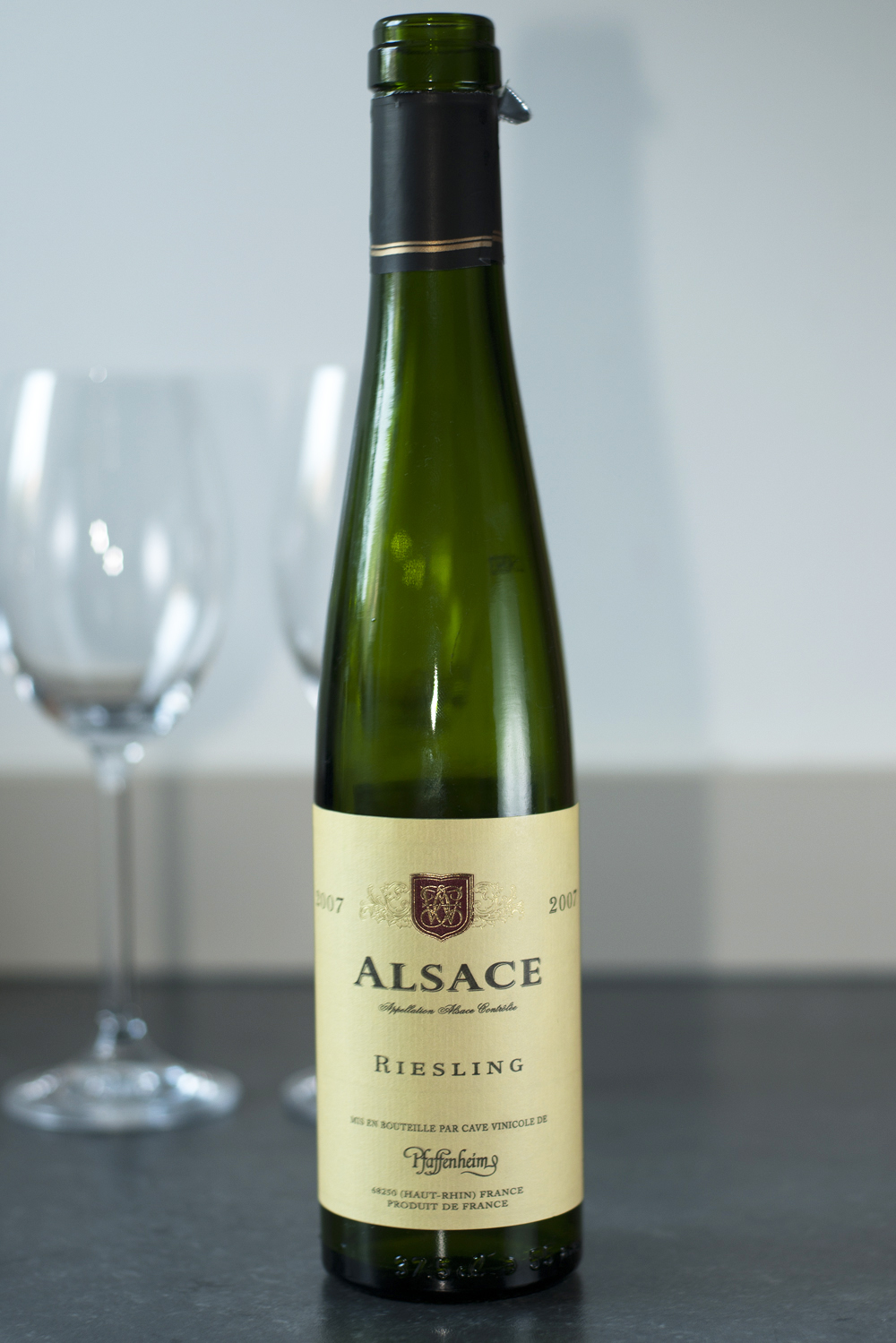
1) Alsace Alsace is the heavyweight champion of aromatic wine, made in northeastern France near the German border. Thanks to German influence, labels name the grape variety, unlike most French wines, which makes them easy to navigate, and the bottles are slimmer and taller than usual. The main grapes are Riesling, Gewürztraminer, Pinot Gris and a little Muscat. These four are the "noble" varieties, and with a few exceptions, premium Grand Cru wines can be made only from them. Riesling is mineral and dry, with excellent aging potential and superb food pairing. Gewürztraminer has sweet aromas of rose and lychee and goes well with spicy food and Thai cuisine. Pinot Gris is rich, with good acidity and body and complex notes of peach, quince, ginger and honey. Alsace wines generally have mouthwatering acidity and abundant aroma, earning them the nickname "table problem-solvers," and they are praised for pairing well with Asian food, which has made them popular worldwide. Our guide is a self-described Riesling evangelist who believes "you can't go wrong with Riesling." To pick a good Alsace wine, look first for a tall, slim bottle marked AOC or AOP ALSACE. AOC and AOP stand for protected designation of origin, a legally regulated system awarded only to wines made from quality grapes grown in a specific region and produced according to set rules. Next, check that the bottle names Riesling, Gewürztraminer or Pinot Gris and says Grand Cru. Choose the grape to suit your taste. For dry wine, pick within that range; if you like sweet wine, look for Vendange Tardive (late harvest) or SGN (Sélection de Grains Nobles), which indicates wine made from botrytized grapes. Under 30 euros is plenty.
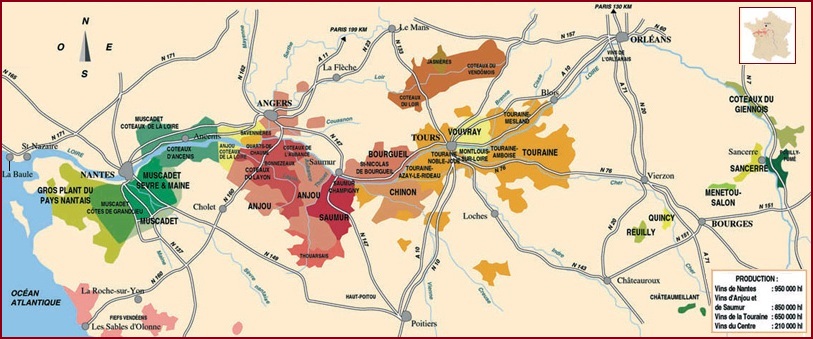
2) Loire Our guide considers this the best-value region. The Loire stretches far from east to west, so many styles coexist. The river itself runs east to west into the Atlantic. In the upper reaches, around Sancerre and Pouilly-Fumé, Sauvignon Blanc makes wines that are high in acidity, clean and zesty, easy to enjoy and reasonably priced. Occasionally they are aged in oak for vanilla or yeasty notes, but that is rare, and a sommelier can recommend the style you want. Vouvray's Chenin Blanc, which our guide drinks often, is also famous: usually under 10 euros at the supermarket, crisp, balanced and easy to match with food. For reds, we recommend Cabernet Franc, with its distinctive bell-pepper aroma. Try the floral wines of Saumur or Saumur-Champigny, or the fuller-bodied wines of Chinon and Bourgueil. Most Loire wines cost under 10 euros at the supermarket, so they make a lovely light companion to dinner back at your accommodation. Finish the bottle the next day with chèvre, the region's goat cheese. It's an acquired taste, but food and wine from the same region pair beautifully.
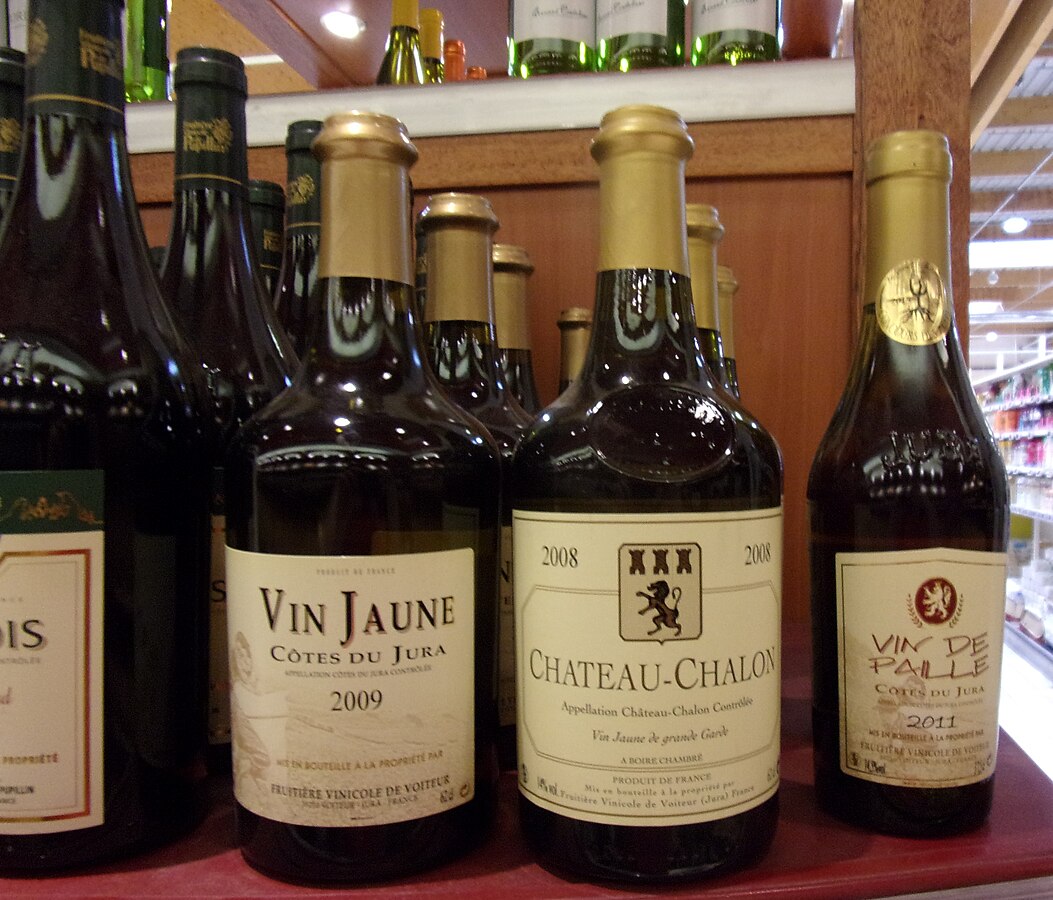
3) Jura Jura is a small, trendy region in eastern France, beneath the Jura mountains near Switzerland. Its white wines have a salty, savory note, the mineral quality people talk about, that makes you crave food, and combined with good acidity, it makes your mouth water just thinking about it. It is a pity they are hard to find outside France. Prices are clearly higher than the Loire's but you can find bottles for 10 to 30 euros at wine shops. The region's distinct personality has attracted a lot of attention lately. Jura makes wines from native grapes. Savagnin is the signature white variety, with notes of nuts, herbs and minerals, and it is used for Vin Jaune ("yellow wine"). Vin Jaune is unique to Jura and, like sherry, is aged under a film of yeast, which means that it matures in contact with oxygen. You might assume oxidation turns wine to vinegar, but it doesn't. Oxidatively aged wines like sherry and Vin Jaune have intense walnut, hazelnut and almond flavors, so intense that whisky is sometimes aged in sherry casks to pick up the aroma. Vin Jaune also comes in a distinctive, squat bottle. It pairs wonderfully with Comté cheese and with creamy chicken dishes, adding the nutty richness of a cream sauce sprinkled with crushed nuts.
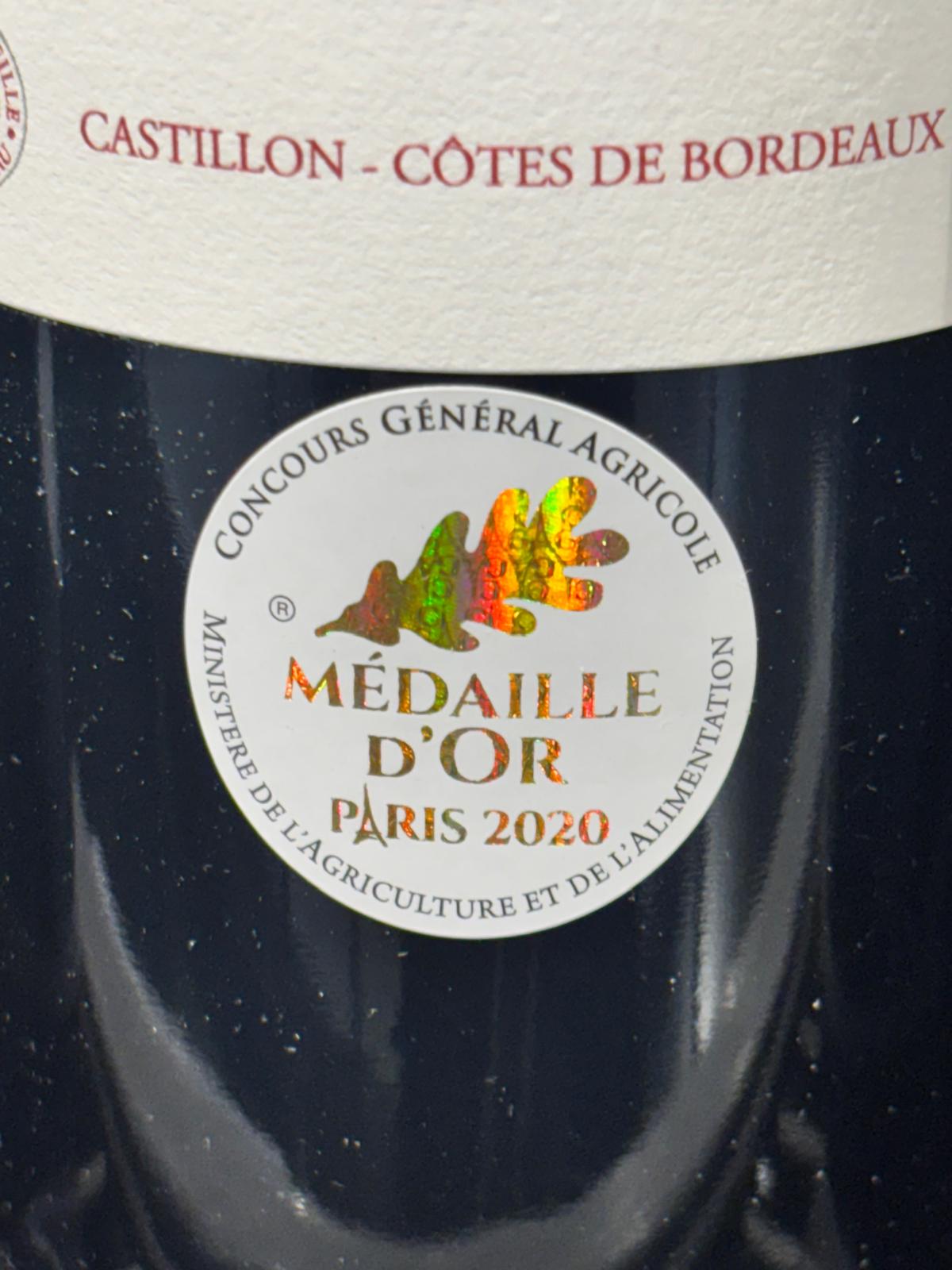
WINE-BUYING TIPS For wine to drink during your trip, 7 to 15 euros at a supermarket or shop will usually get you something satisfying. French labels show the region, producer and classification. AOP and AOC mean the wine follows strict regional rules, so choosing them lowers the risk of a dud. Wines labeled IGP (Vin de Pays) or Vin de France follow looser rules, and many are excellent, but they are harder to find, so we recommend sticking with AOP/AOC. Medal stickers help too. If you are unsure, a gold medal from the Concours Général Agricole de Paris, the most popular and respected competition, is a fairly reliable sign. You can buy wine at supermarkets or at a caviste, a specialist wine shop. At a caviste, always ask the sommelier for a recommendation, mentioning your taste and budget. An expert's recommendation is the best one.
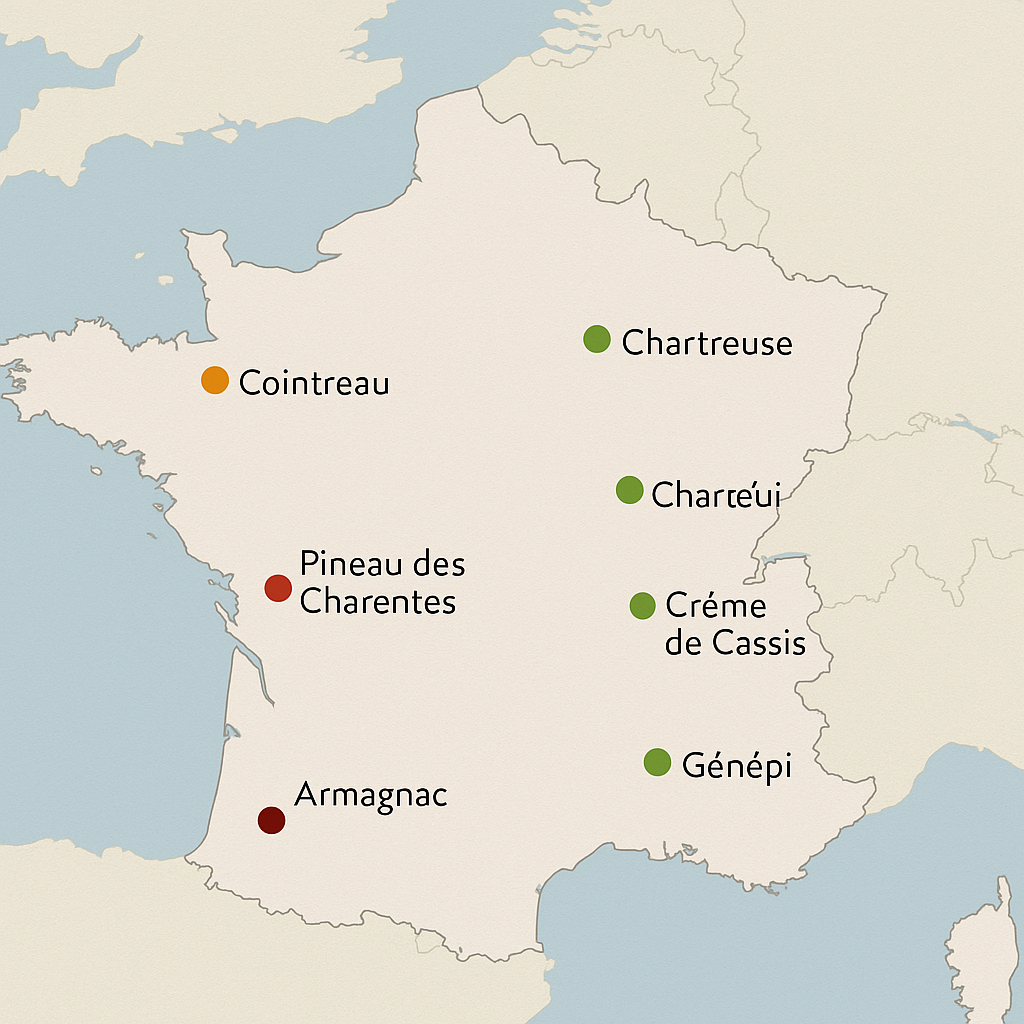
LIQUEUR REGIONS France is famous for spirits and liqueurs as well as wine, and each region has its own. Normandy and Brittany in the northwest are known for Calvados, an apple brandy, and cidre, fermented apple juice. In Alsace-Lorraine in the east, golden plums become Mirabelle eau-de-vie, and cherries become kirsch. Cognac and Armagnac in the southwest are considered the world's finest brandies, each name now a byword for the drink itself. Around Marseille in Provence, people enjoy pastis, an anise liqueur, and near Grenoble in the Alps, where the Chartreuse monastery stands, the green liqueur Chartreuse is made from 130 herbs. Normandy's herbal liqueur Bénédictine and the crème de cassis of Dijon are also well known. Few countries offer such a variety of flavors and aromas. If you have the chance, trying a local liqueur or spirit is another way to savor a region. Many are strong, so sip in moderation. On today's tour, you will have a chance to taste Chartreuse.