Paris · Painting
The First Muse: Fernande Olivier
Musée Picasso Paris · Paris, France
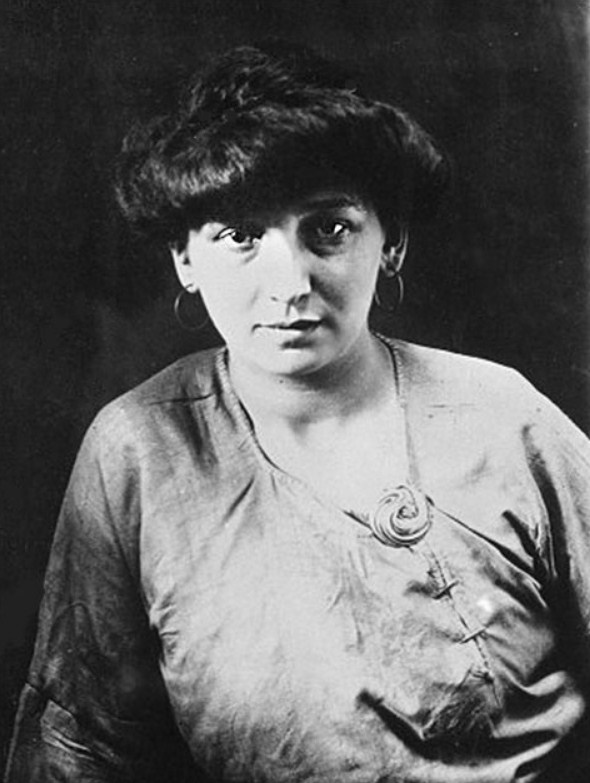
Head of a Woman (Fernande) is one of about 1,200 sculptures Picasso left behind. Who was the Fernande named in its title? Picasso is famous for his string of women. He met too many to count, and some were surely brief encounters, but seven are generally named as the women who inspired his art and stayed at his side for some time. The first of them is the subject of this work, Fernande Olivier.
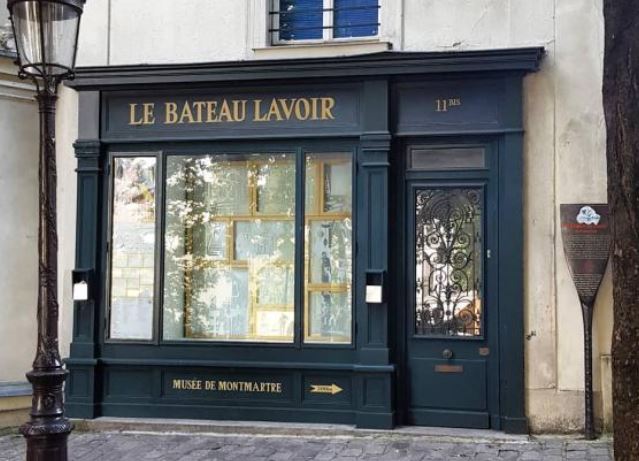
The two were together from 1904 to 1912, nearly nine years. They never married, and eventually parted ways. They met like this. In 1904, Picasso settled in Paris for good and moved into the Bateau-Lavoir in Montmartre. The building had been a derelict factory, and after a fire it was rebuilt as a shared studio complex for painters. In its factory days, penniless artists worked there in the dust and damp. Picasso was one of them. One rainy day he ducked into a corridor of the Bateau-Lavoir to get out of the downpour and bumped into Fernande Olivier, who had come in for the same reason. Struck by her beauty, he kept asking her up to his studio, and though she refused at first, she eventually came to his space on her own.
Fernande later wrote a piece recalling that first meeting. She described him as small and dark, with an intense gaze and a look of great unease, yet someone she simply could not resist. She seems to have been smitten already. When they lived together, she sometimes posed for Picasso without moving for days. Money was tight, but the two stayed together for a long time. A factor in their breakup was that Fernande had been married before, and after both had affairs, they bickered their way to the end.
Another reason Fernande mattered so much is that she changed the course of his art. We spoke about the Blue Period alongside Casagemas: Picasso had used dark, somber colors, but after he met Fernande he began to use brighter ones. Casagemas's death still weighed on him, but now he had someone by his side to comfort him. Her love gave him peace of mind, and as he expressed the feelings of being in love, light naturally entered his palette. We call this the Rose Period. Its signature subject is the circus clown, Harlequin. Two things Picasso loved from childhood were the circus and bullfighting. Even when he was poor enough to skip meals, he went to the circus almost every day, and he took pride in being friends with clowns and equestrian performers. In this period he painted many circus performers, their families and clowns, in colors that are bright and varied, unlike the Blue Period. It seems that Fernande kept him from dwelling only on sorrow and carried him on to the Rose Period.
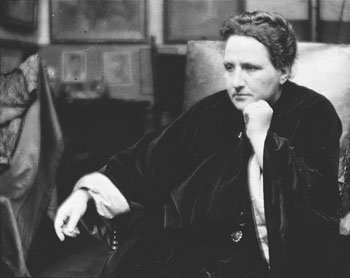
We also can't leave out Gertrude Stein, the American patron who strongly supported him then. She and her brother Leo Stein were siblings who backed his work, and they recognized Picasso's artistic world earlier than most. When Stein bought his works during the Rose Period, it gave him some financial breathing room, and her encouragement spurred him to explore new art. With that money, in the summer of 1906 Picasso and Fernande went on a holiday, and it was then that he conceived Les Demoiselles d'Avignon, which would lead to the birth of Cubism. So much for Picasso's first muse, Fernande.