Paris · City Walks
Opera for Everyone: Paris's Great Houses
Paris · Paris, France
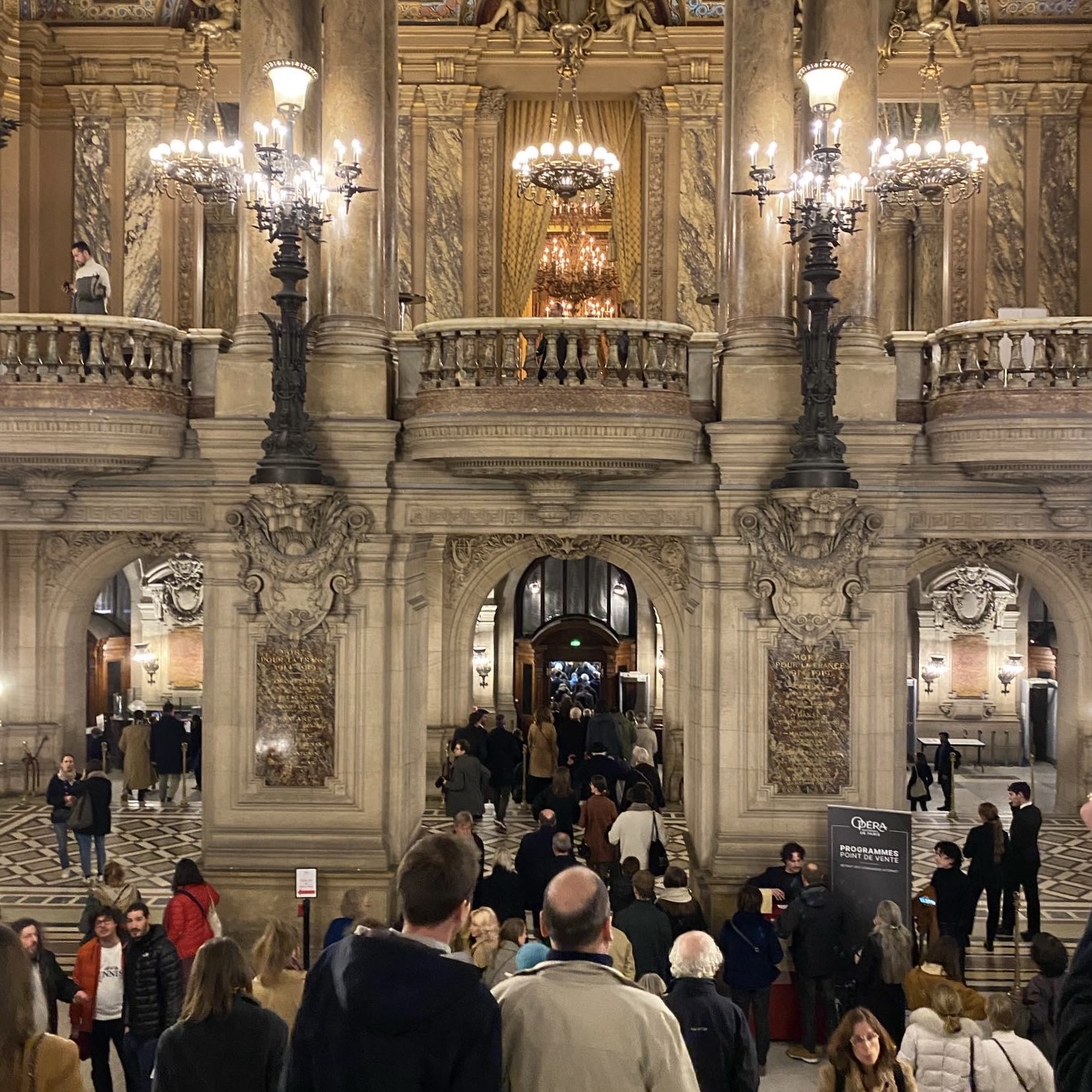
You can't talk about opera without talking about France. In the 17th century, under Louis XIV, the French court built on Italian opera to develop a distinctive "French opera," and the tradition has endured as one of the country's signature art forms. Here are the opera houses worth seeking out in and around Paris.
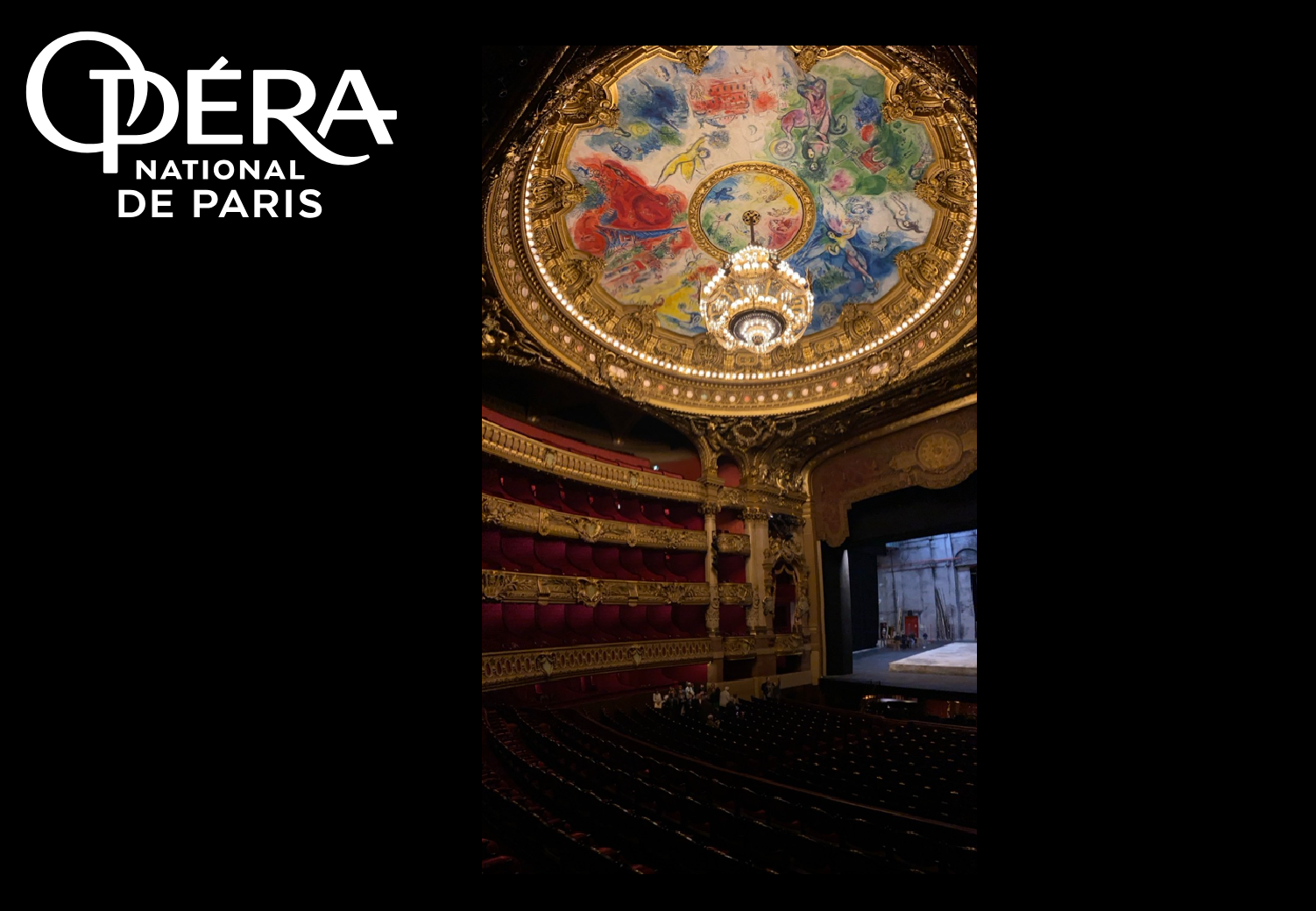
The best known are the Palais Garnier and the Opéra Bastille, the two houses that make up the Paris Opera. The Palais Garnier, also called Opéra Garnier or the Garnier theater, is a world-famous house with a history of some 350 years. Its marble staircase, Chagall ceiling painting and chandelier are all considered masterpieces, and the stage hosts opera, ballet and contemporary dance. It draws many tourists, and the setting is so beautiful that visitors often dress up in gowns or formal wear for photos. It is also famous as the inspiration for Gaston Leroux's novel The Phantom of the Opera. In 1896, a chandelier fell here in a fatal accident, an incident said to have influenced the novel's scene in which the Phantom drops the chandelier.
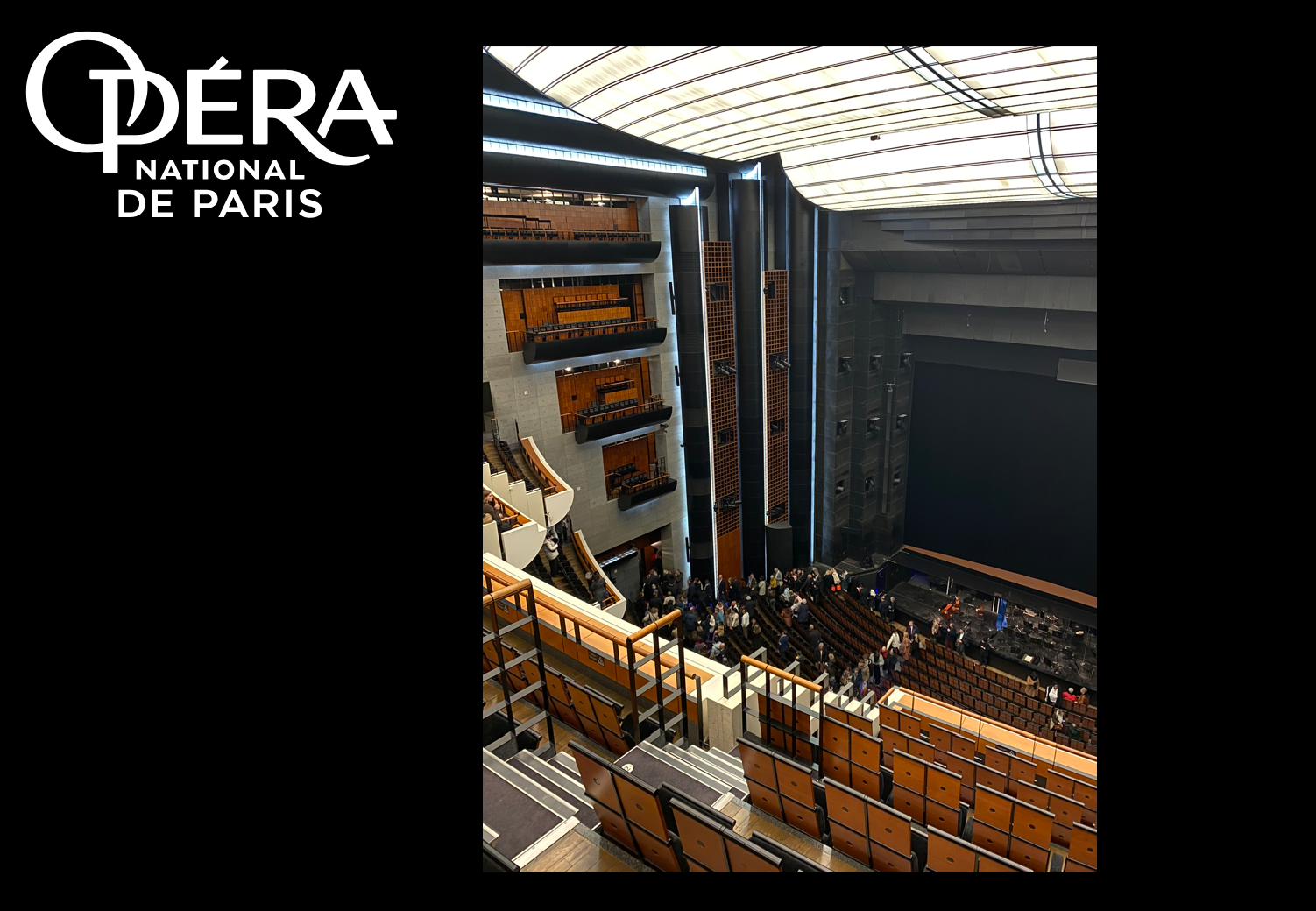
The Opéra Bastille, opened in 1989, is a sleek, modern building. With more than 2,700 seats, it is the largest opera house in Paris. As the name suggests, it stands on the Place de la Bastille, where the Bastille prison once stood. Across from it rises the July Column, a 54-meter bronze tower engraved with the names of those who died in the July Revolution of 1830.
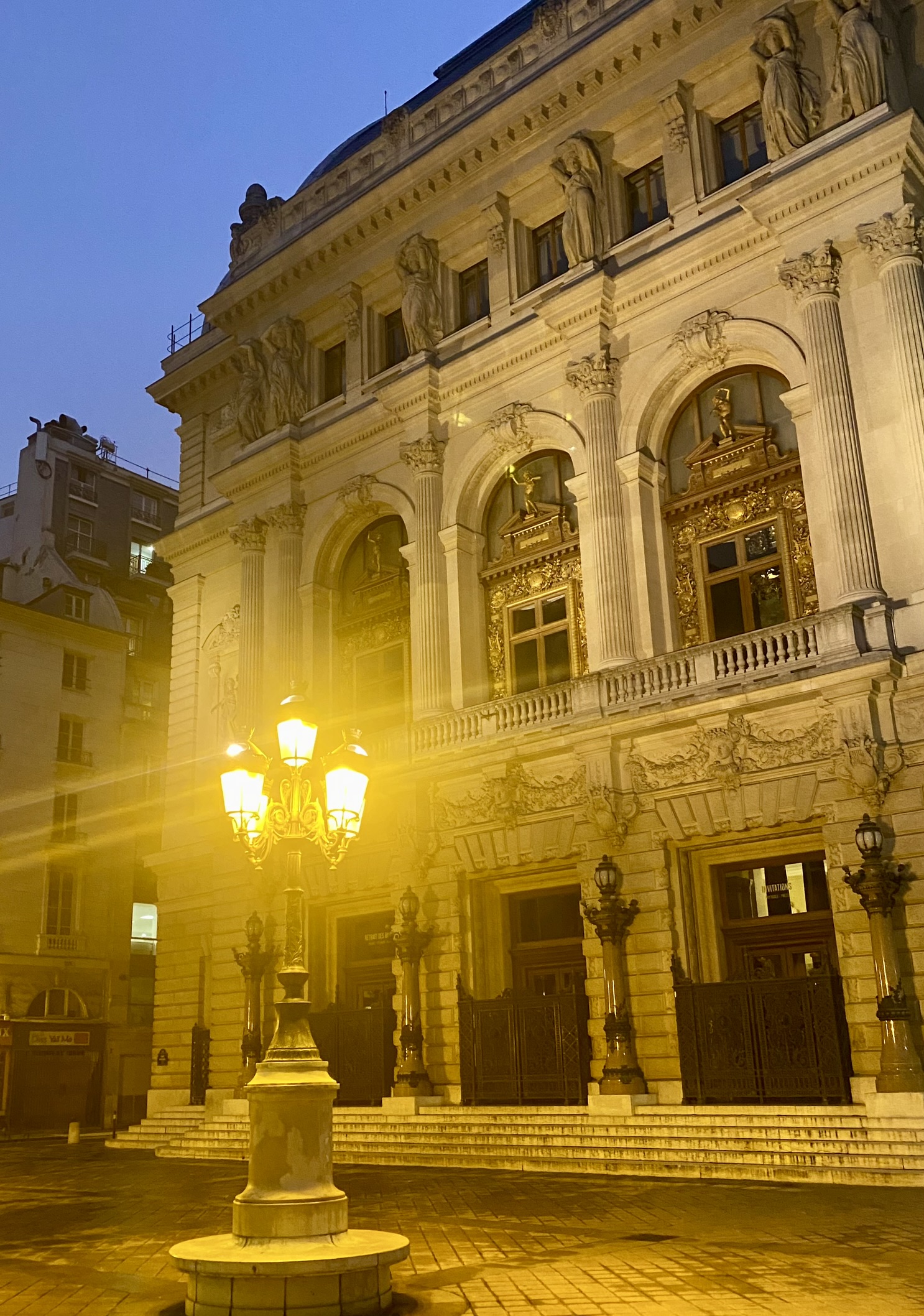
The Opéra-Comique, one of the six national theaters from the previous track, was founded in 1714, in the reign of Louis XIV, to stage the genre of the same name. It is one of the oldest theaters in France alongside the Comédie-Française and the Palais Garnier, and the birthplace of famous French operas such as Bizet's Carmen and Massenet's Manon.
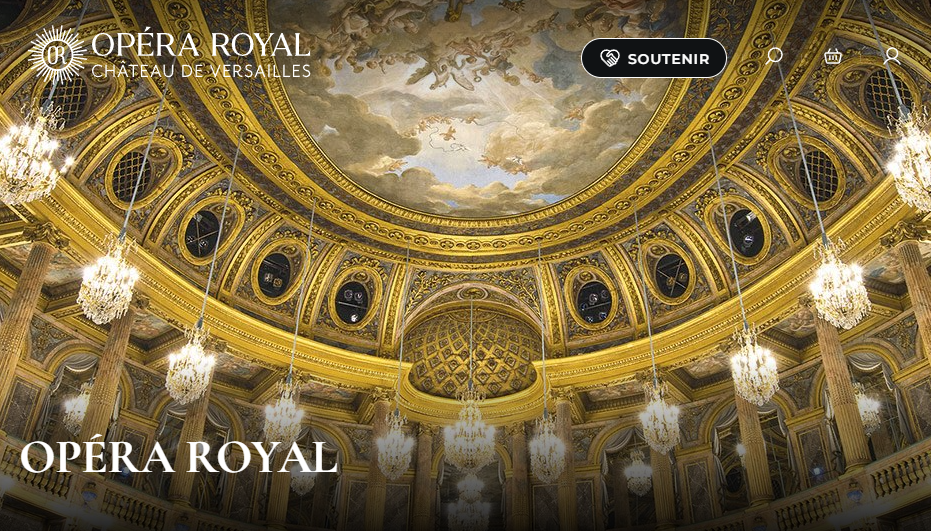
Last is the Opéra Royal de Versailles. It began as a dream of Louis XIV, was built under Louis XV, and opened in 1770 as part of the celebrations for the marriage of Louis XVI and Marie Antoinette. Decorated in gold and blue to reflect the authority of the French crown, it was the largest performance hall in Europe at the time, and has hosted countless festivals, performances and even parliamentary debates. Because it sits inside the Palace of Versailles, pairing it with a palace tour gives you a deeper sense of its history.
France keeps working to make opera accessible to everyone. One example is Tous à l'Opéra, held around May each year. Launched in 2007, this annual event involves opera houses across the country and carries the message that "opera is not just for the aristocracy," aiming to close the gap between the public and the art form. Most of it is free. In 2024, for example, from May 3 to 5, venues including the Palais Garnier and the Opéra Royal de Versailles offered free open houses, backstage tours, singing classes and meet-ups with opera experts.