Paris · City Walks
What to Expect at a Paris Theatre: A Guide to French Show Etiquette
Paris · Paris, France
Heading somewhere unfamiliar isn't always pure excitement, and that's doubly true in a foreign theatre where the language and customs are different. A little advance knowledge of how French theatregoing works will help you enjoy a night at a Paris show with a lot less stress.
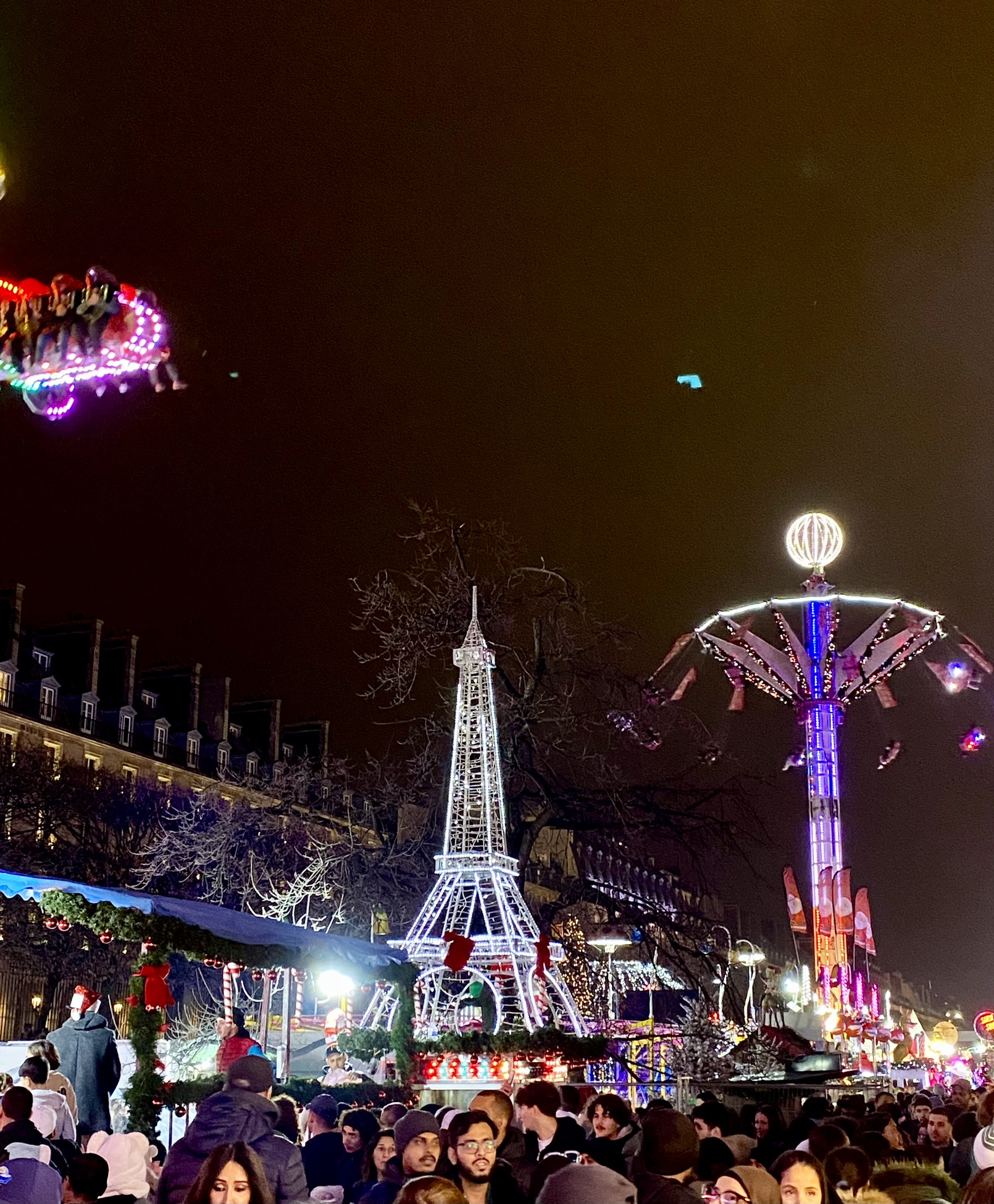
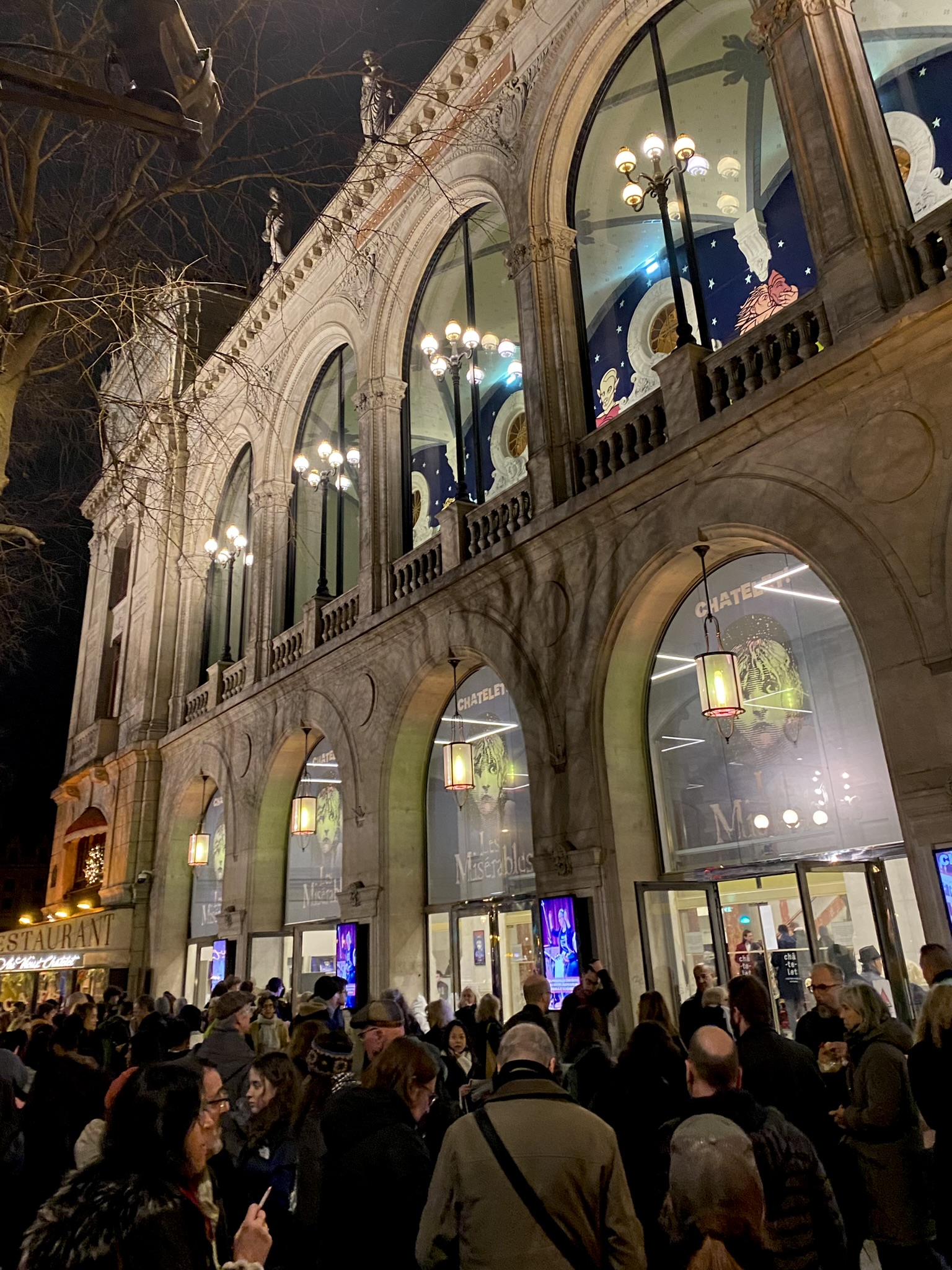
Picture a November evening on your way to see Les Misérables. You're bundled up in a scarf, walking briskly down the street. Don't worry too much about a dress code: as long as you skip the shorts, tracksuits and flip-flops, you'll blend right in with the Parisians. Christmas lights are already sparkling, the Christmas market is up in the Tuileries Garden, and as you follow the Seine, the theatre comes into view.
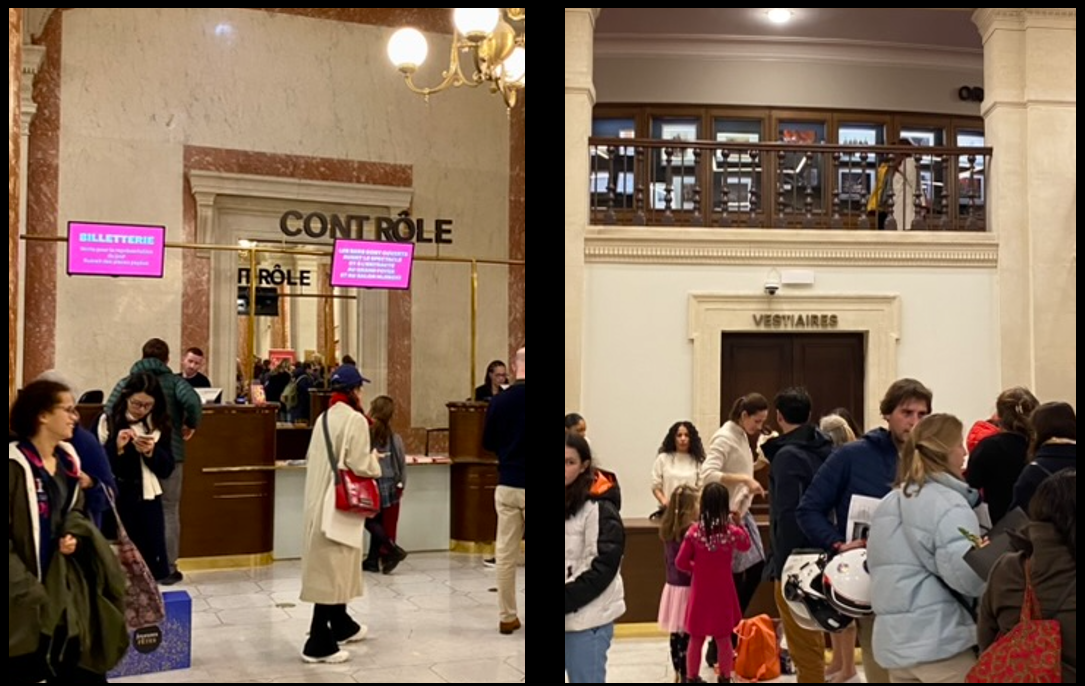
At the entrance, security staff check for dangerous items. Open your bag, pass through the screening and head into the lobby. The French word for bag is "sac", so if you hear it, they want to see inside yours. In the lobby you'll find the ticket office (billetterie) for buying tickets on the spot or asking questions. Most venues also have a cloakroom (vestiaire) for coats and large bags. You'll get a numbered slip and show it after the performance to collect your things. The queue on the way out is usually enormous, though, so it's best to travel light and skip the cloakroom altogether.
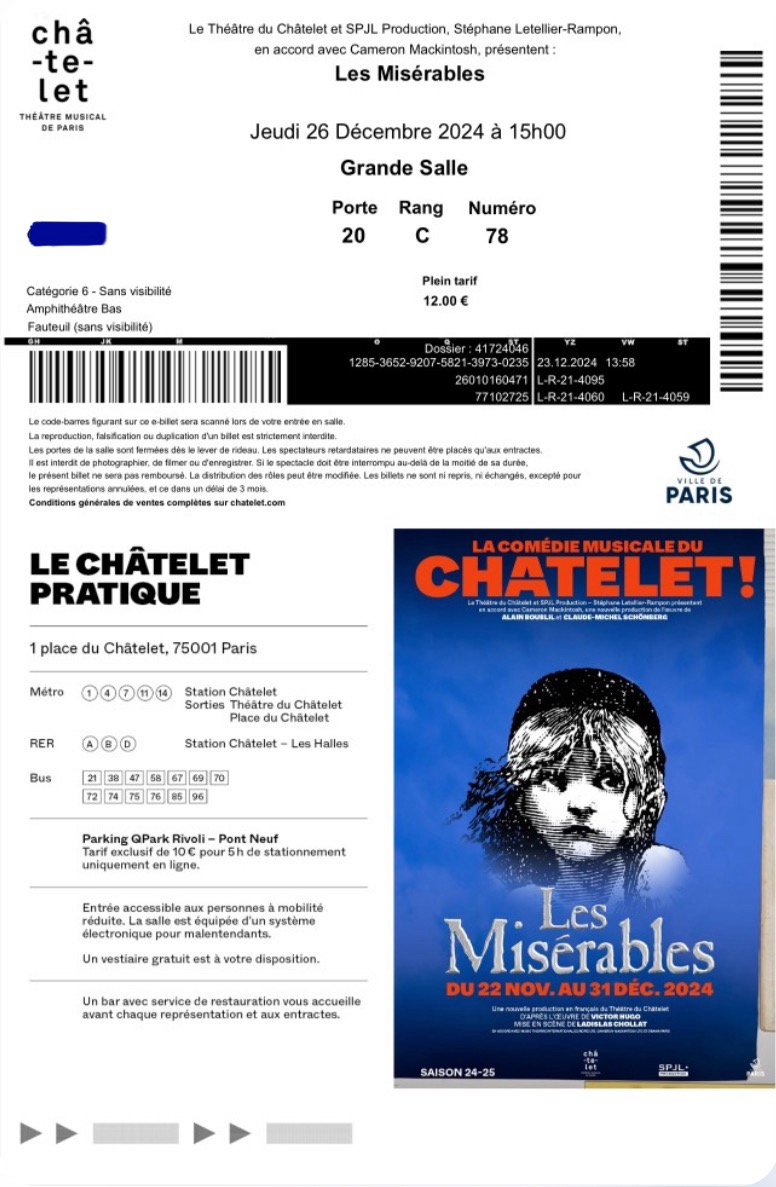
Mobile tickets are the norm now. You'll receive one by email right after booking or a few days before the show, or you can pull it up on the booking site. No printing needed; just show your phone. Some theatres let you pick up a physical souvenir ticket for an extra fee, but beautifully designed show-specific tickets are uncommon. At the entrance to the auditorium, staff scan the QR code on your mobile ticket and let you in.
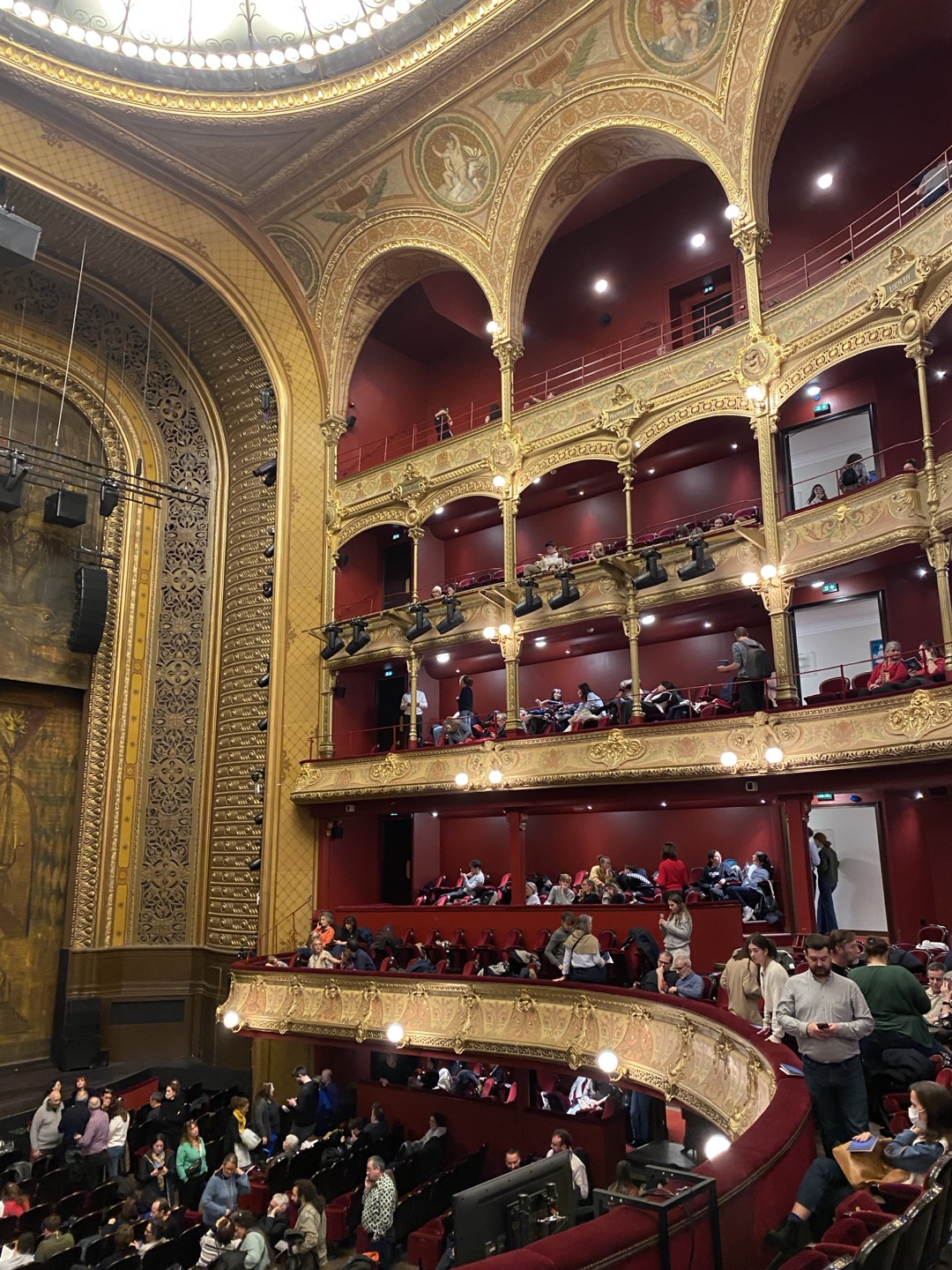
As curtain time nears, a bell rings out. It can sound like a fire alarm, but it simply means the show is about to start. Look around, though, and you'll see plenty of people still not in their seats. Paris performances often start about ten minutes late, and most audiences wait without complaint. Some shows do start on time, so arrive early, wander the building and read the programme. Doors usually open an hour before the performance. While you wait in your seat, an usher may wave you toward the centre of the auditorium. In Paris, this kind of upgrade happens now and then. Just remember to move only when an usher gives you the signal.
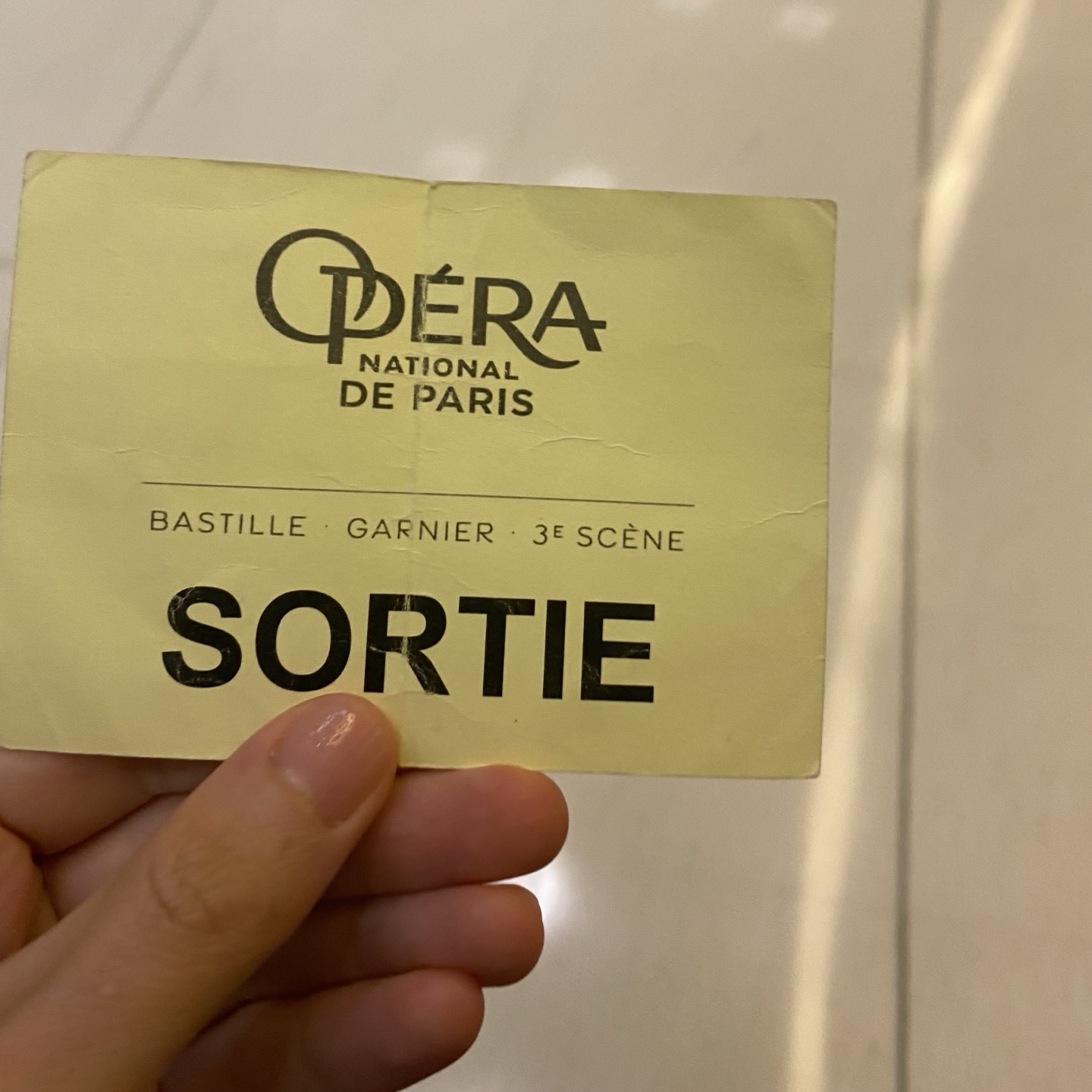
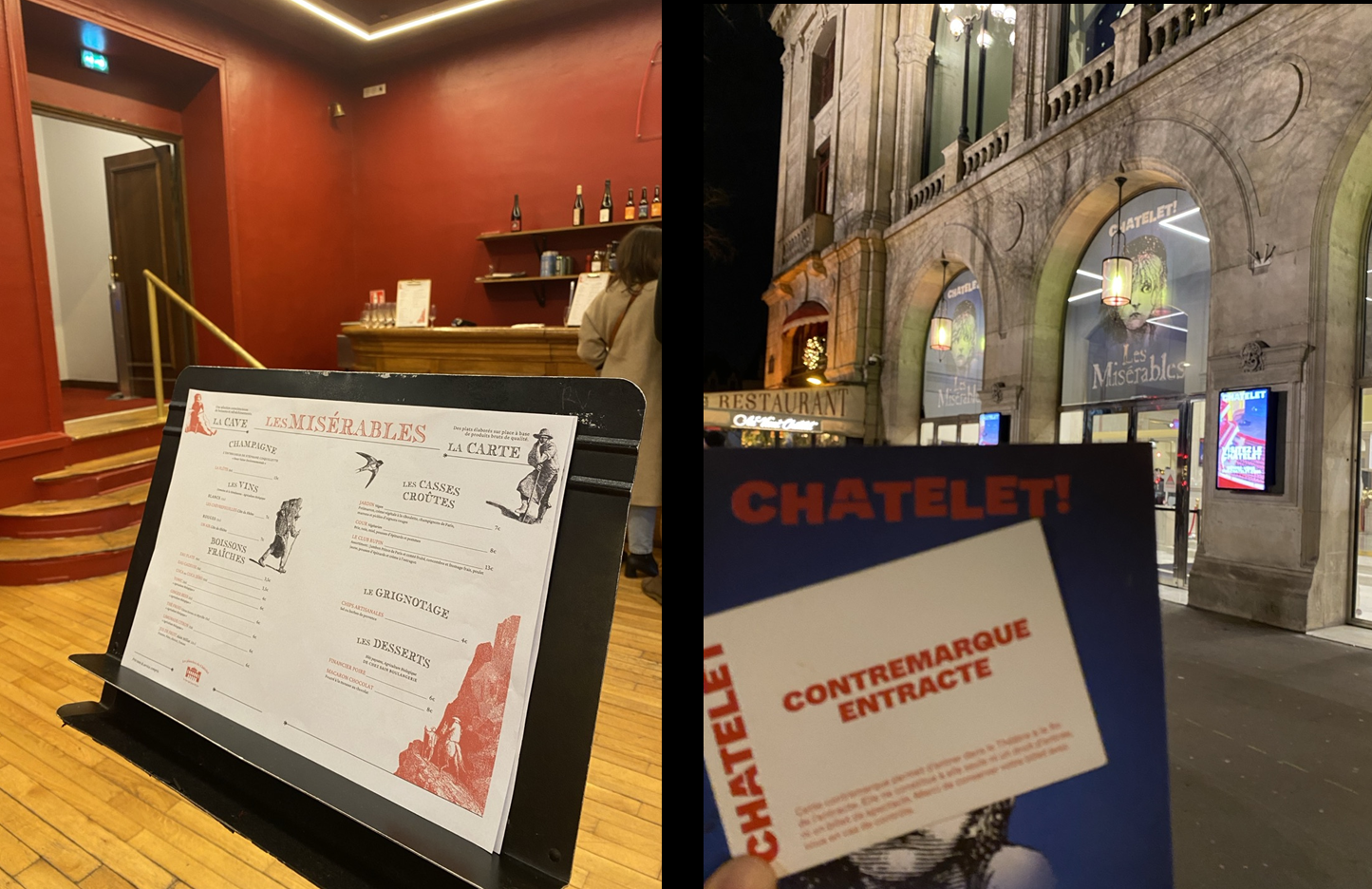
When the first half ends, it's intermission. For longer shows the break lasts 15 to 20 minutes, and the theatre bar sells coffee, wine, beer and snacks, typically for around €5 to €10. If you'd like to step outside for some fresh air, a staff member at the door may ask whether you're coming back and hand you a paper ticket. Just show it to get back in.
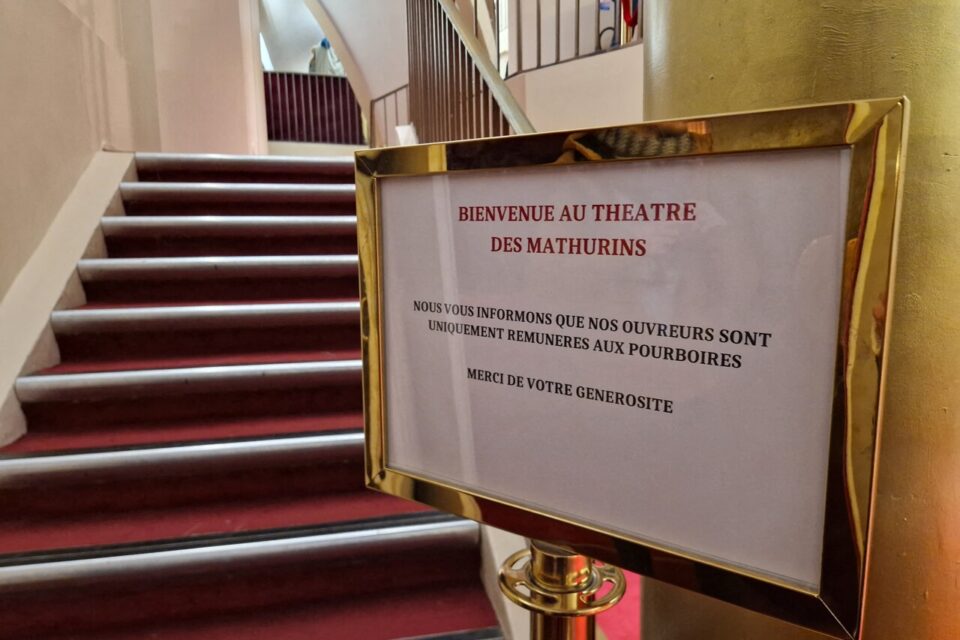
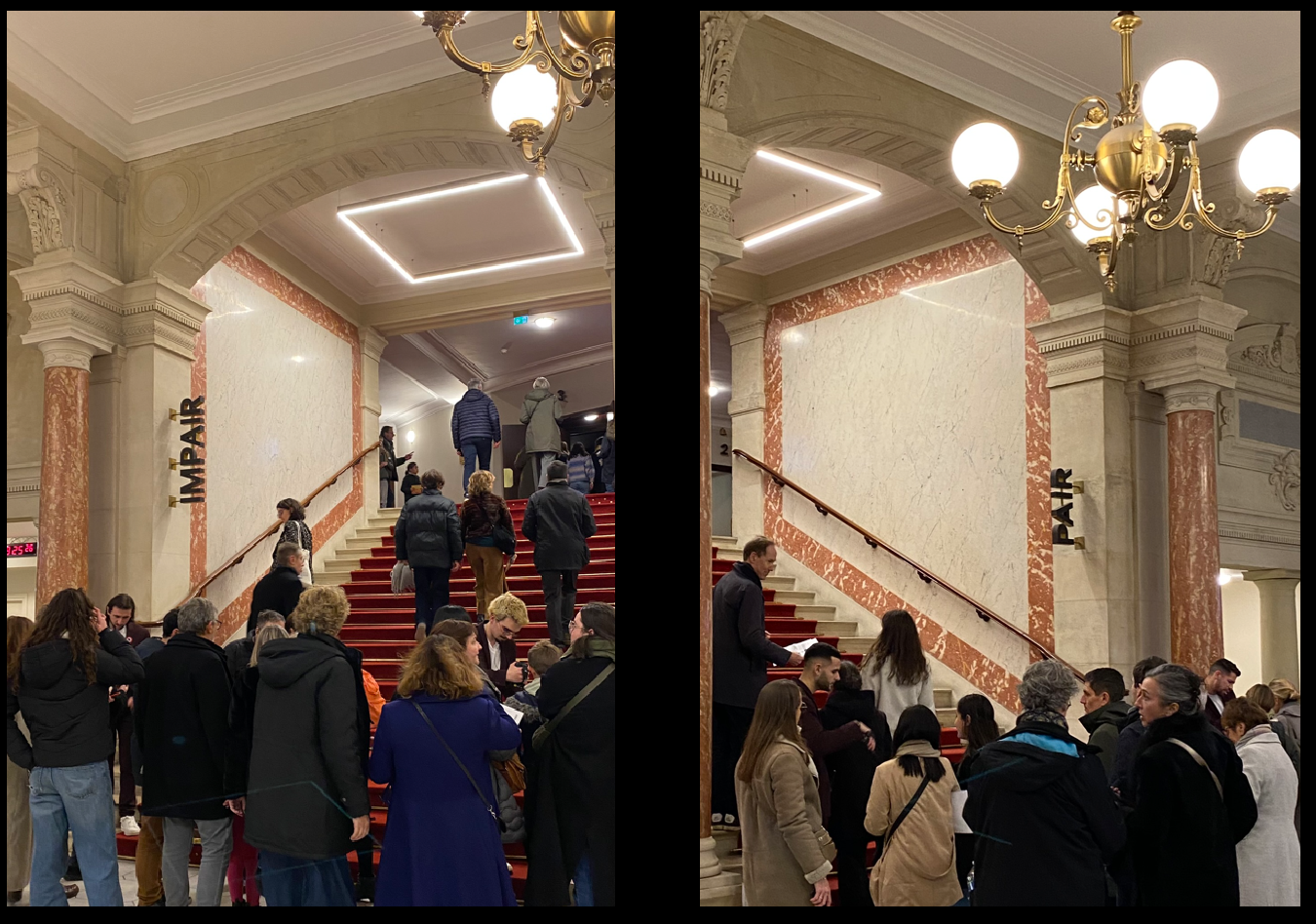
Two more customs are worth knowing. First, at some theatres ushers accept tips. It isn't common, but you may see an usher with a money belt showing people to their seats and collecting coins. A sign near the seating will say tips are welcome, and if an usher has helped you, leaving one can be a courteous gesture. Second, seat numbers in Paris theatres often start from the centre of the auditorium. For example, row A might run 2, 4, 6, 8, 10 to the right of centre and 1, 3, 5, 7, 9 to the left, so odd and even numbers sit on opposite sides. In French, odd is "impair" and even is "pair", and the entrance to each side of the auditorium is marked accordingly.