Paris · City Walks
The Conciergerie: Marie Antoinette's Final Days
Paris · Paris, France
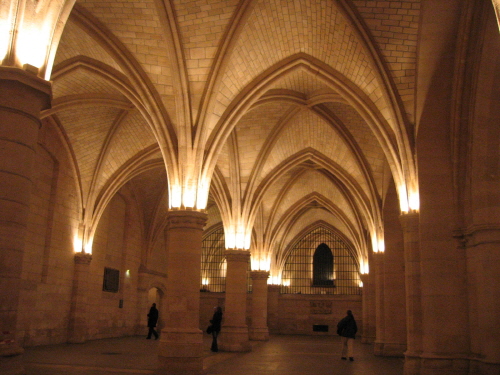
The Conciergerie is about a seven-minute walk from Notre-Dame. On a short trip to Paris it's easy to skip, but if you want to understand the city's history or visit places where it was made, it's well worth your time. It's hard to tell the story of Paris without Marie Antoinette, and this is where her story lingers. She was the queen who met her end at the guillotine during the French Revolution. Born the youngest daughter of Maria Theresa, empress of the Austrian Empire, she was married off to the French House of Bourbon for Austria's sake, becoming queen as the wife of Louis XVI. Here you can trace her last footsteps.
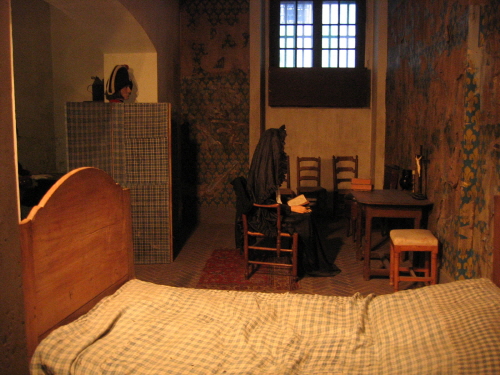
The Conciergerie was originally built as Paris's first palace. After the royal residence moved to the Louvre, it housed parliament and the king's central administration, then became a prison in the 1390s. Political prisoners and common criminals were held together, and the building gained a dark reputation for the torture chamber in the Bonbec Tower. That reputation peaked during the Revolution. In the Reign of Terror, it became the holding prison for those awaiting execution, and between 1793 and 1795 around 2,600 people passed through here on their way to the guillotine. Marie Antoinette was one of them. She left on October 16, 1793, and was beheaded at the guillotine on the Place de la Concorde. Until then she was held in a solitary cell here. Treatment at the Conciergerie depended on wealth and power, and cells for the rich were separate from those for the poor.
The prison was closed in the early 1900s, and today the site is a historic monument that recreates its days as a jail. Marie Antoinette's cell has been turned into a memorial open to visitors, and the torture chamber and prison scenes are staged with wax figures and other displays to help you picture life at the time. Allow 30 minutes to an hour, and take your time.