Paris · Architecture
Saint-Sulpice: Towers, Gnomon and the Da Vinci Code
Paris · Paris, France
Sit wherever you like, by the fountain in the square or on the church steps, and take it in. We'll cover the exterior, the story behind the fame, the interior and directions, in that order.
■ The west façade The first thing you notice is the huge, imposing west façade. This Classical front has two stories with different columns above and below, plus two bell towers, and it is said to have been inspired by St Paul's Cathedral in London.
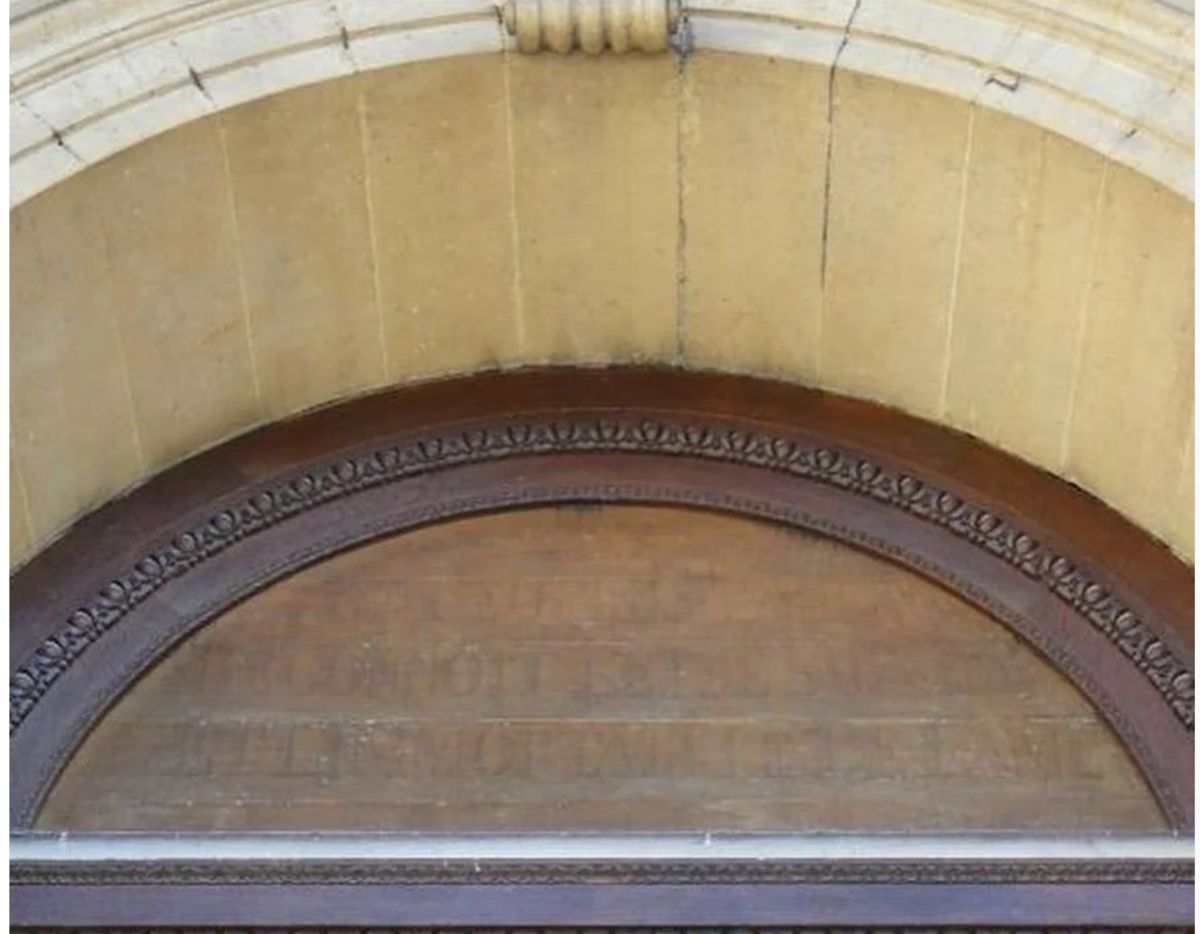
The two towers differ in shape and in height. The taller, more ornate left tower is the one built as originally planned. The difference is a full five meters, because the right tower was left unfinished for lack of funds. On the semicircular wooden panel above the central door, you can just make out faint lettering: "The French people recognize the Supreme Being and the immortality of the soul." It's a slogan of the revolutionary government, a trace of the French Revolution.
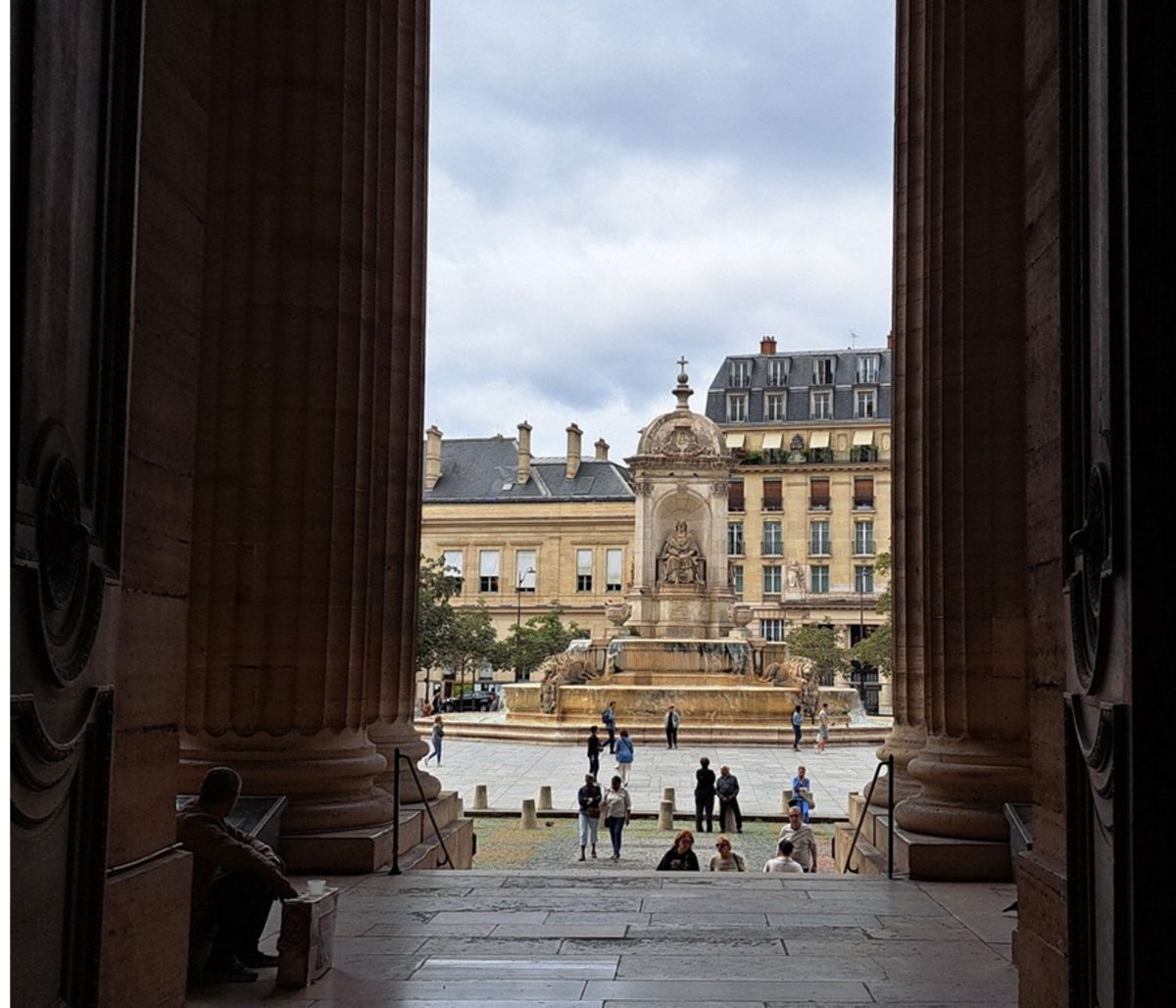
■ The fountain in Place Saint-Sulpice Turn your back on the church and you'll see a fountain with statues of four clergymen. A joke has long gone around that none of the four ever became a cardinal. Inside the church, the view of the fountain framed between a door and a column is lovely too.
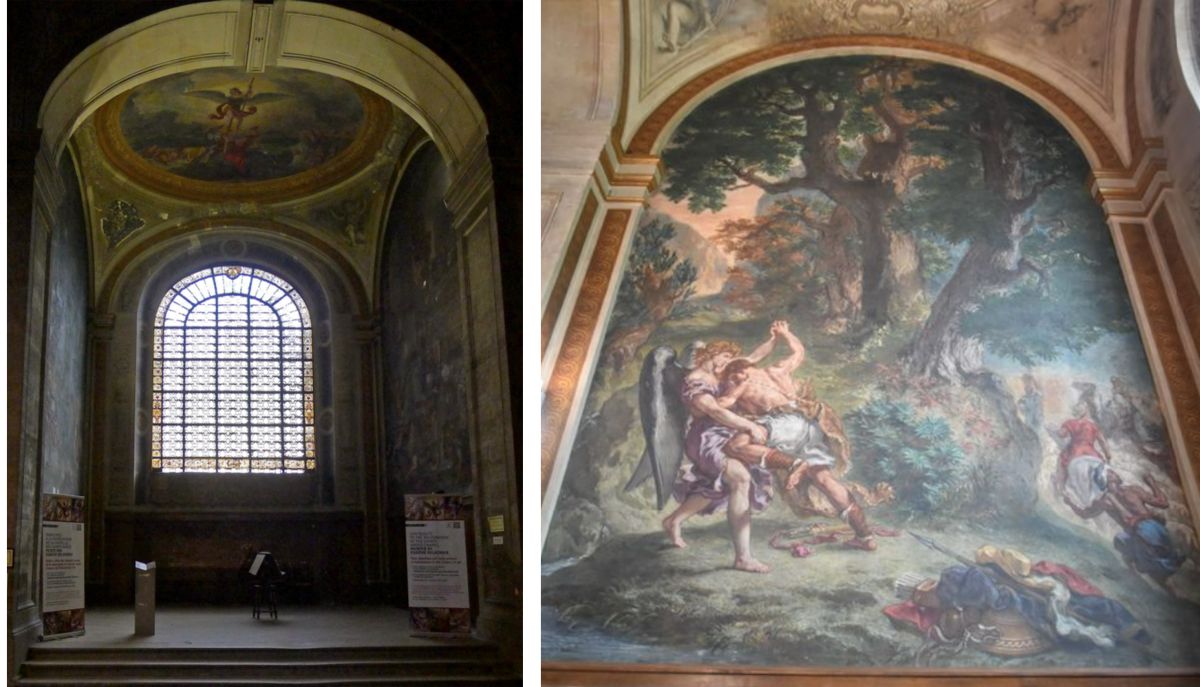
■ The south and east sides Walk around the church to the right. Saint-Sulpice is the second-largest church in Paris, and walking along its side gives you a sense of its scale. If the west façade is Classical, the sides, rear and interior are Baroque. You'll also see the flying buttresses and apse you saw at Saint-Germain-des-Prés. Of the two rows of tall windows, the upper ones let in light, while the lower ones belong to chapels once endowed by noble and guild families. The transept, the crossbar of the cross plan, has doors into the church; the north door, with its fine stone carving, is the closest to Delacroix's murals.
■ The Da Vinci Code Thanks to Dan Brown's novel and the film, the church became known worldwide as a mysterious place hiding the secret of the Holy Grail, and a major tourist stop. It is the setting of a tense nighttime break-in scene, but the filming itself reportedly took place on a set, not in the church.
Look for the gnomon and the obelisk, which appear as key clues in the story. The brass line set into the floor is a real astronomical instrument, used to measure the spring equinox and winter solstice and to calculate the date of Easter. Before the Greenwich meridian became the standard for time, the Paris Meridian played that role. The obelisk was also a device for tracking the sun's position. Don't miss the central nave, setting of the chase scene, or the choir balcony high above the altar, where Sister Sandrine hid and secretly watched Silas.
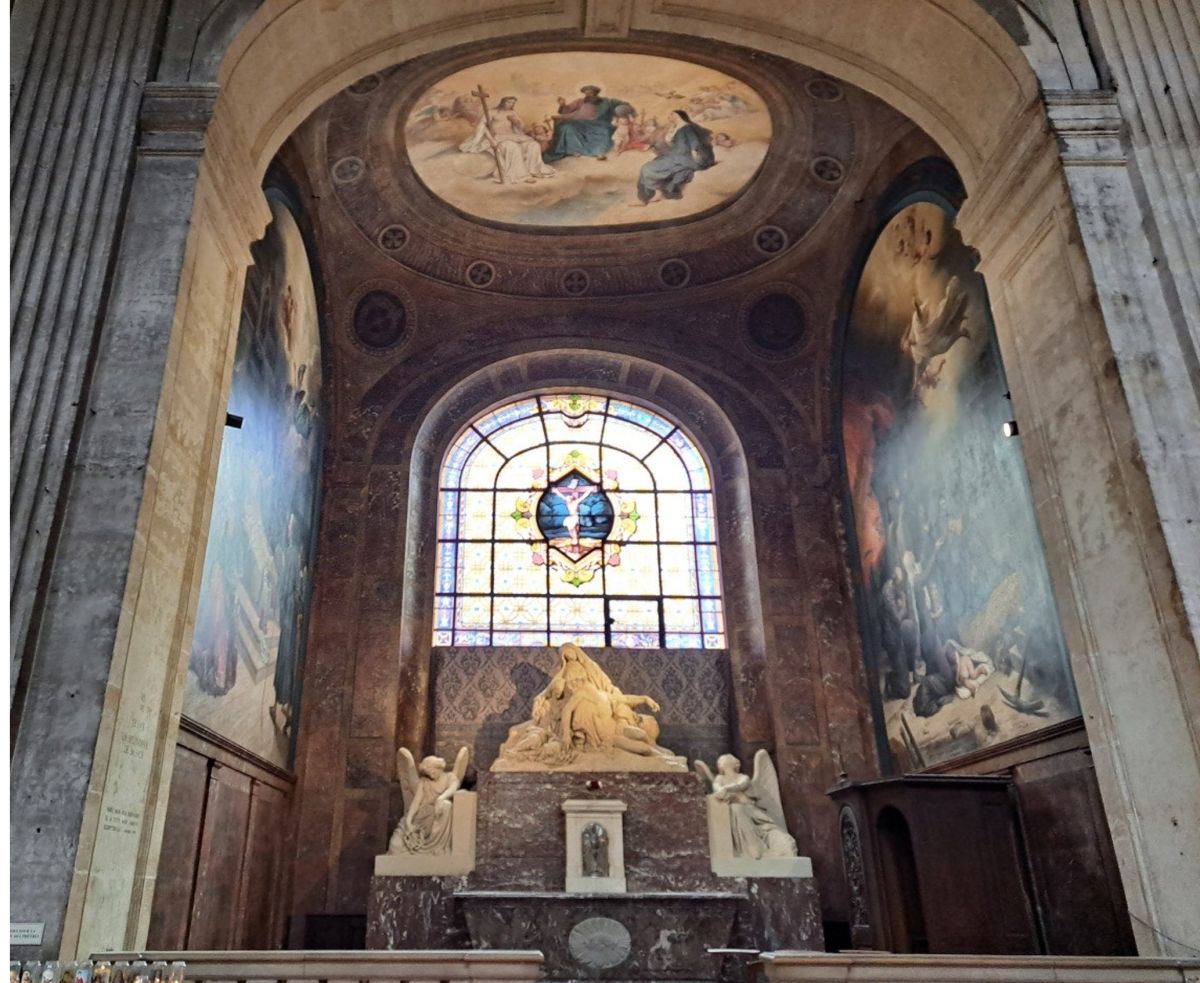
■ Inside the church The mural in the Chapel of the Blessed Sacrament is not a fresco, so its colors are vivid and you can see the brushwork up close. In the Lady Chapel stands the statue of the Virgin by Pigalle, where natural light from a hidden window creates a quiet, mysterious atmosphere. The shell-shaped holy water stoup at the entrance is also his work.
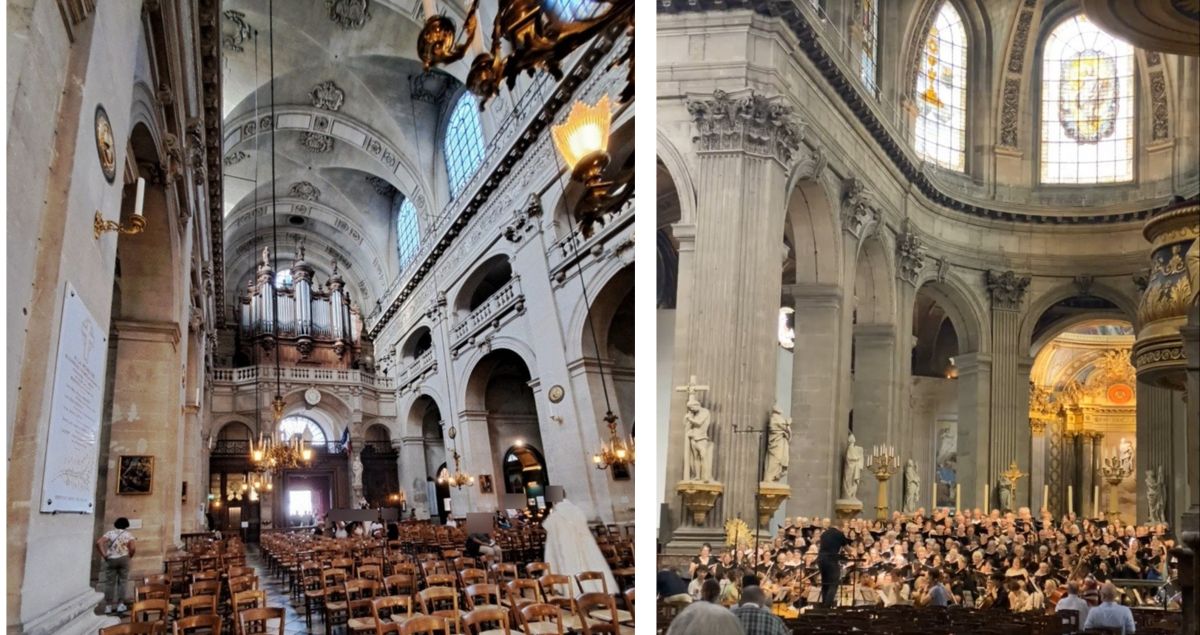
The ceiling painting is by François Lemoyne. If the name and the work seem familiar, that's because you met him at Saint-Thomas-d'Aquin. Next to the gnomon, the high altar and choir sit in the vast apse, which makes them even more imposing. It's a space that draws the eye through strong perspective, thanks to the Corinthian columns and radiating rib vaults. The statues on either side of the altar are the apostles and saints of the Church. Try to identify each one by what he holds in his hand.
Finally, turn around and look at the great organ above the entrance. It is a pipe organ by Cavaillé-Coll, preserved almost exactly as originally built. It is the largest organ in Paris, and world-class organists come to play it. With the high ceiling and large space, the sound fills the whole church once the music begins, with an orchestra-like range of tones. Special concerts are sometimes held in the evening, so try to catch one if you can. For more, see "Before You Go: Pilgrimage Tips You Need to Know."
■ Next stop Saint-Sulpice has it all: religion, architecture, art, music and science. Our next stop is the Luxembourg Gardens. Head straight right as you face the church and you'll reach the Musée du Luxembourg and the Angelina café, where the gardens begin. Use the in-app map. It takes about two minutes.