Paris · City Walks
Père-Lachaise: Paris's Largest Cemetery
Paris · Paris, France
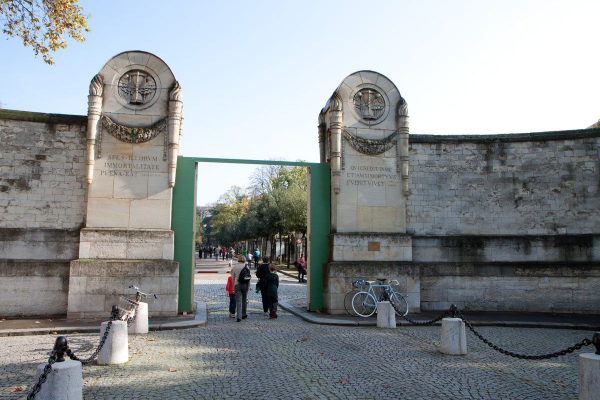
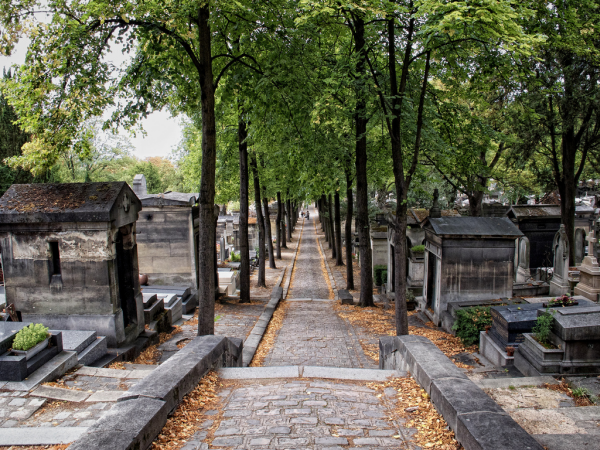
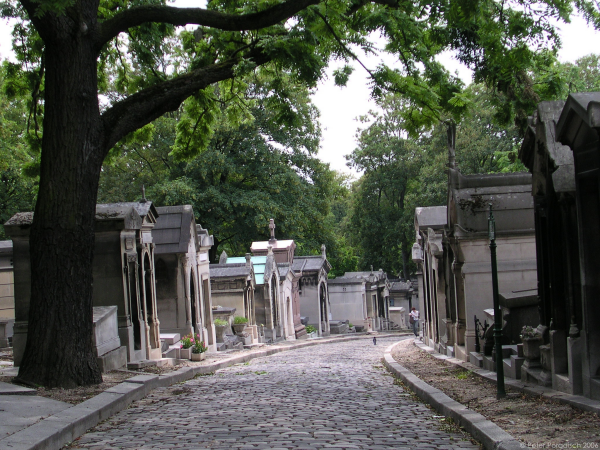
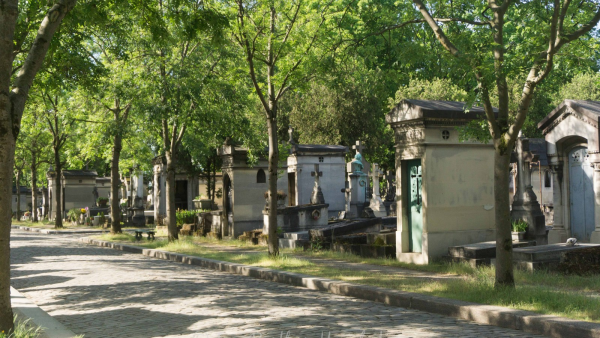
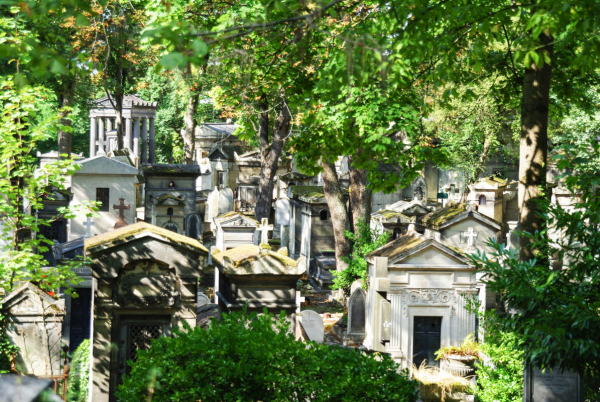
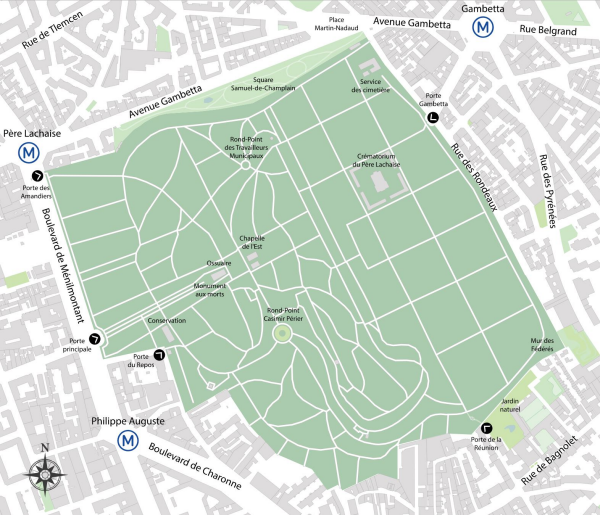
At 44 hectares, Père-Lachaise is the largest cemetery in Paris. It was originally known as the Eastern Cemetery, and its present name comes from Père François de La Chaise, the confessor of Louis XIV. It sits in the 20th arrondissement, a little way from the city center, but the neighborhood has a hip, up-and-coming feel. There is a boutique hotel, Mama Shelter, nearby, and the area is much quieter than the center, which makes it great for a stroll.
The French government has designated the cemetery a museum and opens it to the public free of charge. It was the first garden cemetery and the first municipal cemetery. The word "cemetery" might sound eerie, but as you can see in the photos, the place feels more like a garden. It is also a World War I memorial park, with more than 4,000 trees. It opened in 1804, after Napoleon, then ruler of France, declared that everyone has the right to be buried regardless of religion or race.
The cemetery was designed by the French architect Alexandre-Théodore Brongniart. It was expanded several times, in 1824, 1829, 1832, 1842 and 1850, with new facilities added along the way. The funeral chapel is the work of Étienne-Hippolyte Godde, who also designed the entrance on Boulevard de Ménilmontant, while the neo-Byzantine ossuary and crematorium were designed by Jean-Camille Formigé. When it first opened, only 13 tombs had been placed there, and it wasn't popular. To draw attention, the authorities moved in the remains of famous figures such as Jean de La Fontaine and Molière. Popularity then grew until the waiting list became very long, and a rule was introduced that you must have been born and have died in Paris to be buried here.
Even with repeated expansions and strict rules, space is still tight. A new rule allows the cemetery to clear graves that have gone untended for more than 30 years, and space-saving ideas keep appearing, such as family tombs holding dozens of people or cremation followed by interment of the ashes. Today around 70,000 graves hold some 300,000 people, and many of those who passed the demanding entry criteria are famous.
Because the grounds are so large and so many well-known people are buried here, the cemetery has put up its own maps on panels throughout, and you can also pick up a paper map at the entrance. Mark the graves you want to see and you can cover the neatly divided grounds efficiently. Along the way, local people who know the cemetery well may offer to help, or simply join you and appoint themselves as your guide. They usually ask for money afterward, so politely decline and walk on.
Laid out as an English-style garden, the cemetery holds a wide variety of tombs: Gothic graves, Haussmann-style family mausoleums, headstones lavishly decorated with guardian angels or patron saints, and even very modern ones whose photos play as a slideshow. The designs are so distinctive and beautiful that you end up admiring the graves of ordinary Parisians whose names no one remembers.