Paris · Architecture
Napoleon III Style: Not Baroque, Rococo or Neoclassical
Palais Garnier · Paris, France
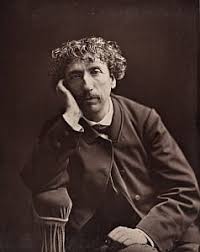
The architect of Palais Garnier was Charles Garnier, a 35-year-old unknown at the time, and the building is still called by his name. When Napoleon III and Baron Haussmann decided to build a new opera house, they held a design competition. A full 171 architects entered, and the winner, beating out far better-known names, was Garnier.
The main reason was that his design hit exactly what Napoleon III wanted. After the first round, Garnier was in fifth place out of 171, which is far from bad, but only one entry would win, so it was a nail-biting spot to be in. In the second round, though, his revised design won the commission outright.
A fun anecdote survives from that time. The empress, who had been backing famous architects of her own, was reportedly furious that an unknown newcomer had been chosen. She went to Garnier and demanded to know what style this was supposed to be: it wasn't Louis XIV, Louis XV or Louis XVI. In other words, it was neither Baroque (Louis XIV), Rococo (Louis XV) nor Neoclassical (Louis XVI), just a jumble of styles. Garnier is said to have replied with great poise: "It is the style of Napoleon III. Does it still not please you?" Whether the story is true or not, it's a wonderfully quick-witted answer.
His reply wasn't mere flattery. It showed that he understood exactly what Napoleon III wanted, because he had studied the new wing of the Louvre that the emperor was building at the time. That wing, added when Napoleon III expanded the Louvre, has a distinctive roof with a double slope. It's called a mansard roof, named after Mansart, the royal architect of Louis XIV who is said to have devised it. Below the roof, the façade is lavishly decorated with sculpture, and small towers line up on either side of it. This architectural style is known as the Napoleon III style, or Neo-Baroque, and Garnier based his design for the opera house on it.
Before we get to Neo-Baroque, let's start with Baroque. It began in 16th-century Italy. Where the Renaissance style popular in the 15th century followed fixed rules of proportion and symmetry, Baroque broke free of set forms in favor of grand, dynamic, ornate design. Exteriors are massive and imposing, covered in elaborate sculpture, while interiors glitter with gold. To feel the difference, compare the photos of Florence Cathedral in Italy, a leading Renaissance building, and St. Peter's Basilica in the Vatican, a Baroque one. In France, Louis XIV's royal architect Mansart took up Italian Baroque to build the Palace of Versailles, but he didn't copy it as it was; he added a distinctly French feature, the mansard roof.
Neo-Baroque aims to revive Baroque by freely blending it with traits of other styles such as Rococo and Neoclassicism. "Neo" means "new," which is why it's also called New Baroque. Because Napoleon III's reign is known as the Second Empire, it's also called Second Empire style, and because it combines several styles, it's also known as Eclectic. Garnier added Classicism, Renaissance and Rococo elements to a Baroque base in designing Palais Garnier. We'll look at all of this up close as we tour the building.