Paris · Painting
Soutine's The White House
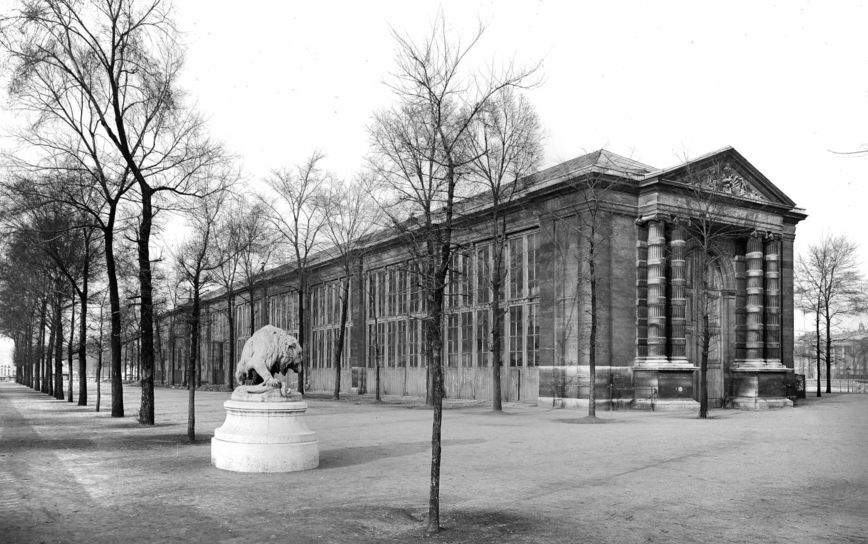
Musée de l'Orangerie · Paris, France
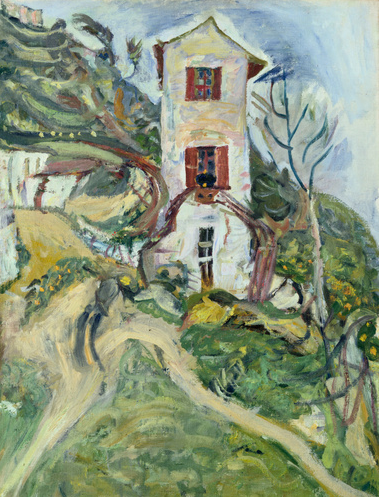
In Soutine's paintings, nearly everything tends to look warped and twisted, as if mirroring his own inner unease. In The White House, however, while the surrounding landscape remains distorted, the house itself stands alone, straight and solid — a striking contrast to Houses, another Soutine work at the Orangerie where every structure leans and buckles.
Art historians disagree on why this one house was left intact, largely because the painting's date is uncertain. Some place it in 1919, Soutine's most turbulent period, which makes the house's steadiness hard to explain except as a one-off departure. Others date it to 1933, when Soutine had achieved both financial and psychological stability — a reading under which the house becomes a symbol of a mind no longer in turmoil.
This disagreement stems from Soutine's own habits: he rarely signed or dated his work, and he often destroyed or painted over canvases he was unhappy with. As a result, exactly when The White House was painted remains unknown, and the mystery around it has only deepened over time.