Paris · Painting
The Orangerie: From Greenhouse to Museum
Musée de l'Orangerie · Paris, France
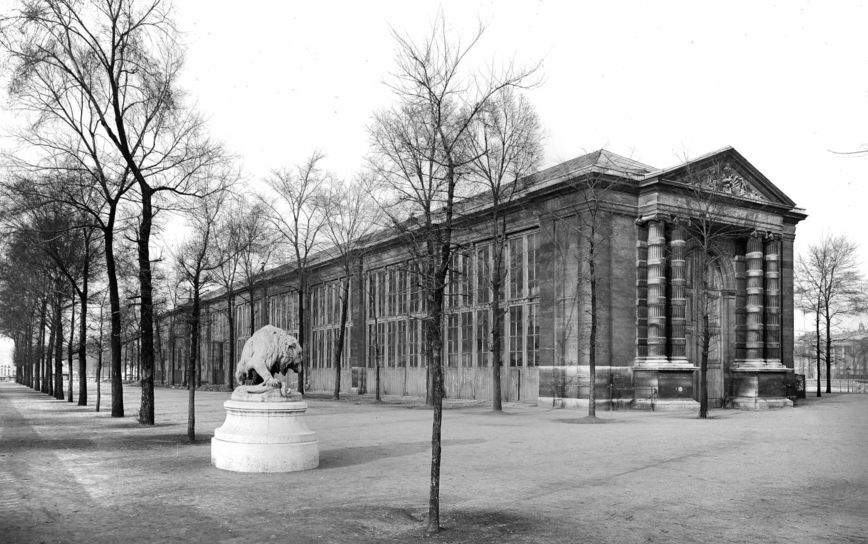
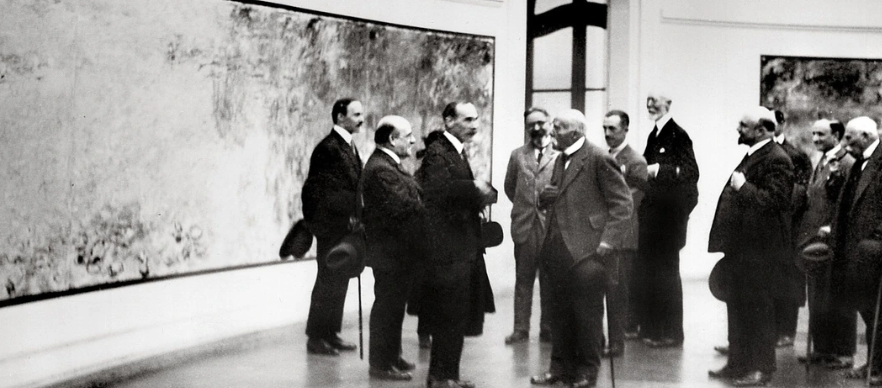

The name "Orangerie" comes from the French word for an orange grove's winter shelter — and that's exactly what this building started out as. It was constructed in 1852 on the order of Napoleon III to protect the orange trees of the Tuileries Garden from the cold. The greenhouse served that purpose for decades, until its fortunes changed after the First World War: in 1921, the French government decided to turn the space into a venue for displaying art.
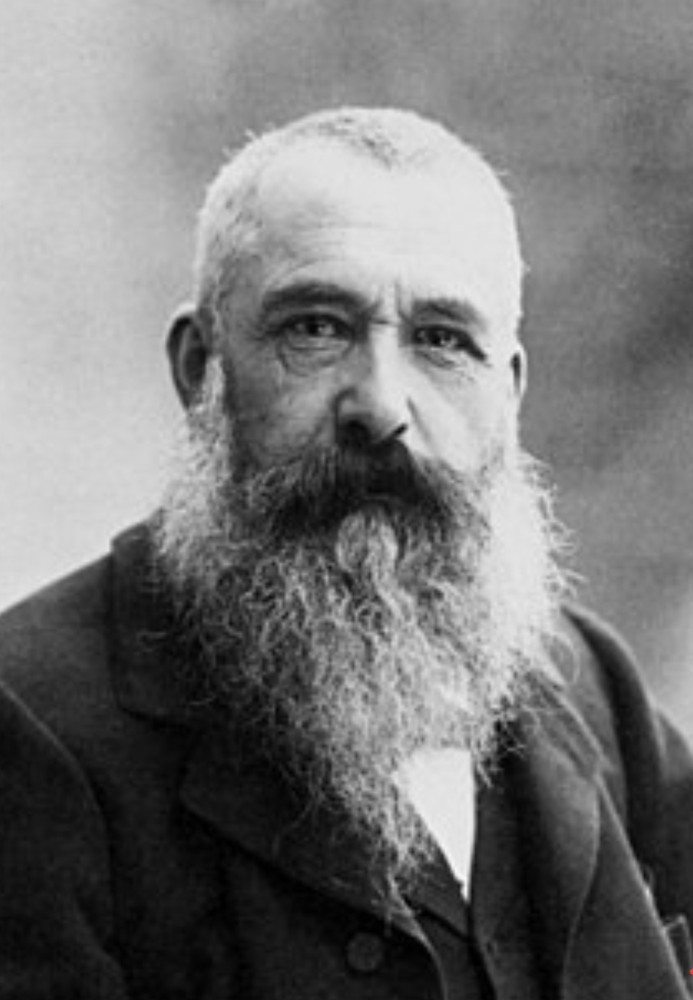
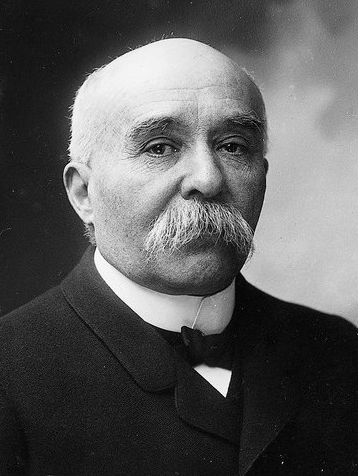
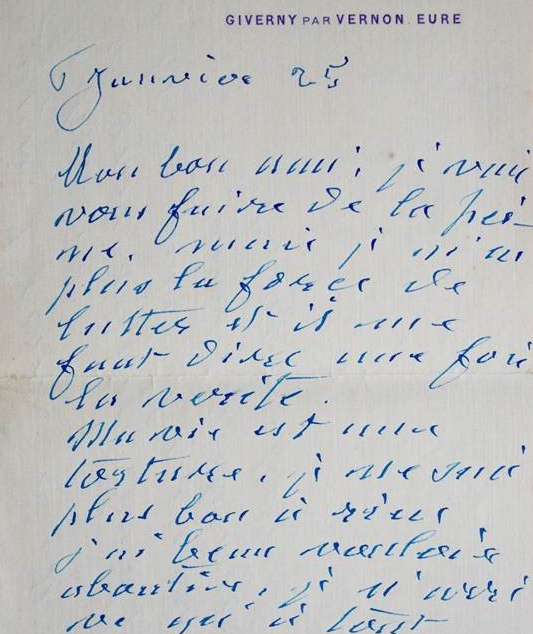
That's when Georges Clemenceau, then Prime Minister of France, approached his old friend, the painter Claude Monet, with an idea. At 74, Monet had lost his will to live after the death of his son, but he had picked up his brush again and was working on a sweeping series of paintings on the theme of water lilies. Clemenceau persuaded him to let these monumental works hang at the Orangerie. Monet, who wanted to leave his country a monument to peace, agreed, and in 1922 signed a contract donating the paintings to the state. He took part personally in designing the galleries alongside the architect, installing skylights so natural light could pour in, and in the end eight enormous panels were hung across two oval rooms meant to evoke the symbol of infinity. Monet didn't live to see the space completed — he died in 1926 — but thanks to Clemenceau's efforts, the Orangerie opened its doors on May 17, 1927, just months after his death.
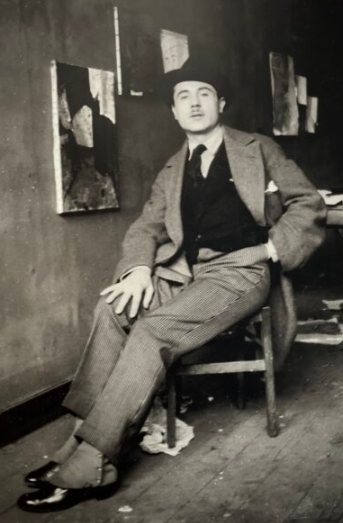
As the museum's reputation grew around Monet's work, another collection found its way there: that of Paul Guillaume, one of the great art dealers of the 20th century. He had dreamed of creating "the first modern art museum open to the public" in France, though he never managed to realize it himself. After he died, his wife, Domenica Walter, donated his collection to the state to fulfill that dream, and the French government chose to display it at the Orangerie, building a new exhibition space in the basement starting in the 1960s.
In the 2000s, the museum underwent renovations to restore natural light to Monet's Water Lilies and to redesign the lower level, reopening in its current form in 2006. The basement now houses a permanent gallery for the Paul Guillaume and Jean Walter collection. What began as a greenhouse for orange trees has become one of Paris's defining museums — home to Monet's Water Lilies alongside works by Renoir, Matisse, Picasso, and other painters who shaped early-20th-century Paris.