Paris · Architecture
The Night of April 15, 2019, and the Rebirth
Notre-Dame de Paris · Paris, France
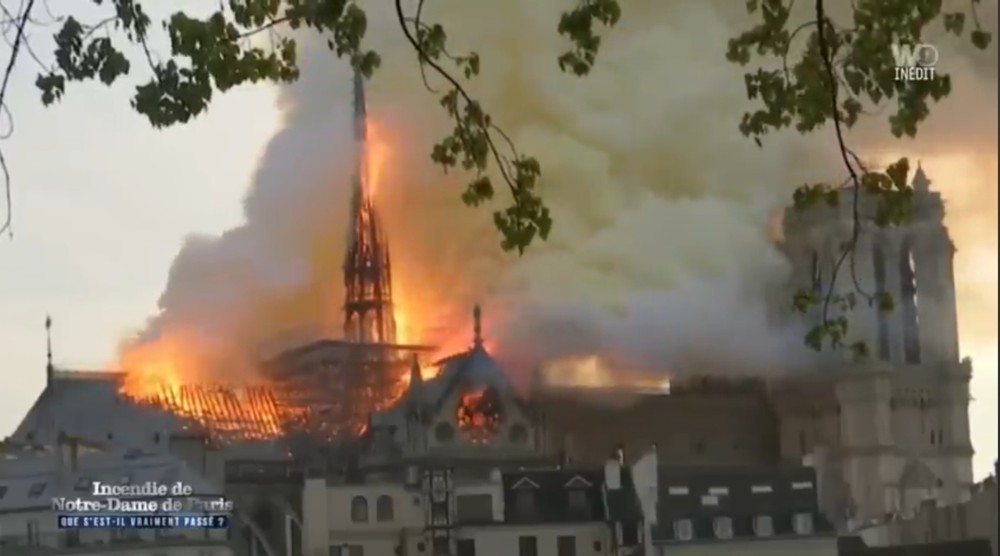
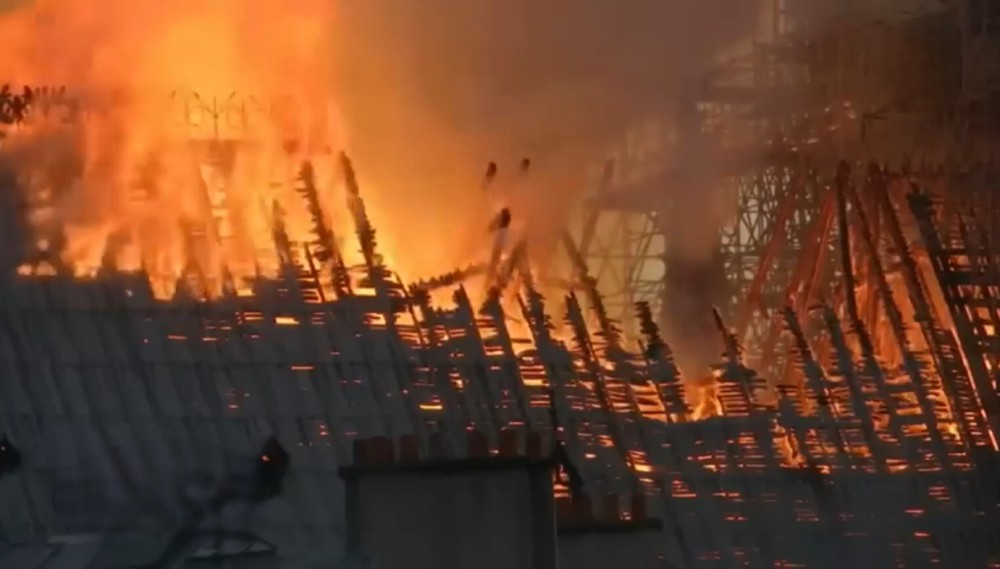


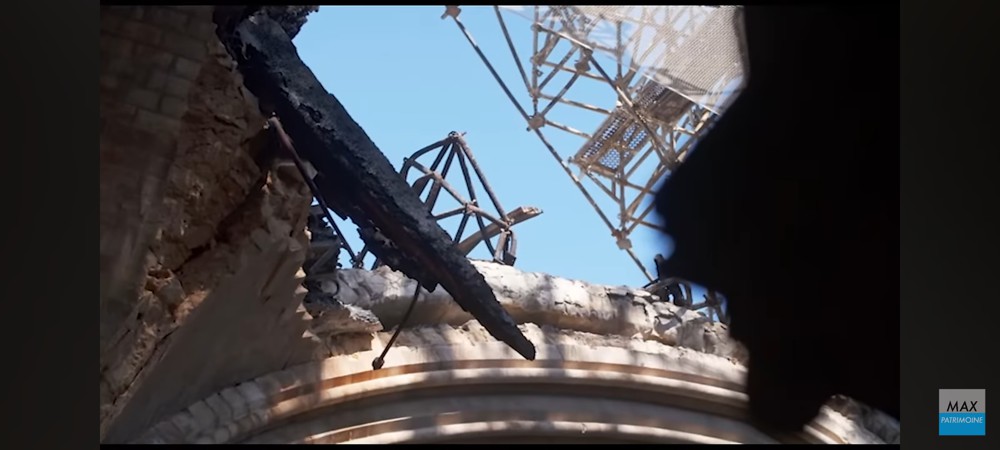
This is the story of a tragedy that stunned us all, and of a restoration that felt like a miracle. On the evening of April 15, 2019, the first fire alarm sounded at 6:20 p.m. Sadly, firefighters could not find where the fire was at first, and 20 precious minutes were lost, during which the flames grew out of control. The fire began in the attic known as "the forest," where 800-year-old oak beams lay tightly interlaced. Bone-dry old timber made perfect fuel. The fire swallowed the whole roof in no time and sent up a vast column of yellow smoke visible from anywhere in Paris. Many people will remember the news footage of Parisians gathered along the Seine that night, weeping and singing hymns. They had to watch the heart of Paris, a heritage of humanity, turn to ash before their eyes. It was a truly terrible night.
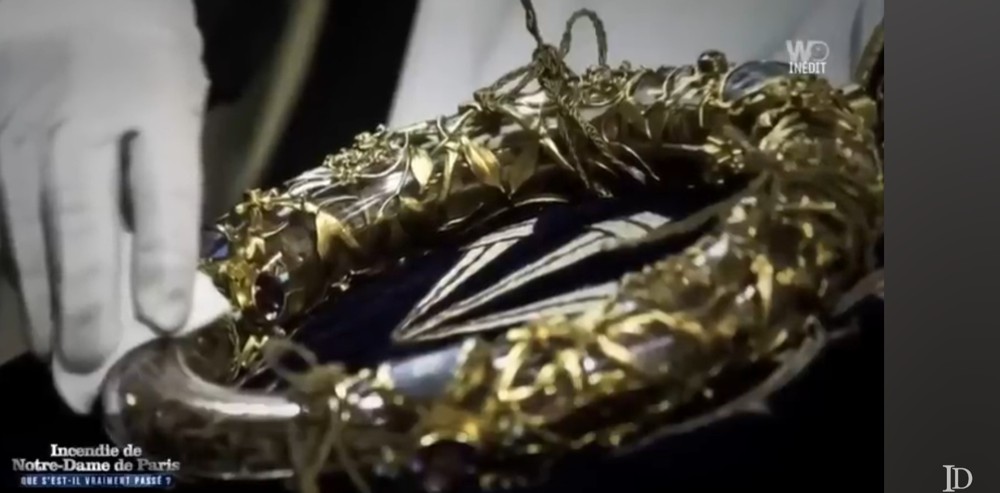
Then, at 7:56 p.m., came the moment that made every heart sink. The spire, the symbol of Notre-Dame, blazed like a torch and then vanished into the flames. From that moment, the firefighters were in a race against time. If the fire spread to the tower and the bells, weighing tens of tonnes, hanging inside it fell, the entire cathedral could collapse. It was a moment of absolute crisis. Amid the chaos, another hero appeared: Father Fournier, chaplain of the Paris Fire Brigade. He knew the cathedral's layout better than anyone, so he formed a human chain with the firefighters and rushed into the smoke-filled building. They managed to rescue the Crown of Thorns and the Blessed Sacrament, which were kept in a safe. In effect, two battles were fought at once: one to put out the fire, the other to save the soul of the cathedral. Only after 11 p.m. did the fire chief announce that the main structures had been saved, and Paris could finally breathe a sigh of relief.
The next morning, Notre-Dame was a shocking sight, reduced to a bare skeleton. Yet even in the ashes there was miraculous hope. Most of the stone vault had held, the three rose windows you saw earlier had lost none of their luminous glow, and the Pietà on the high altar still stood firm. It was a case of a silver lining to a tragedy, and from there, people refused to lose hope and began writing a new chapter of restoration history.
What followed was the greatest restoration project of our time, a miracle made out of ashes. News of a child who emptied his piggy bank to donate went around the world, and more than 800 million euros poured in from around the globe. President Macron promised to reopen the cathedral within five years. But it was not easy from the start. A 200-tonne mass of steel scaffolding, melted and bent like taffy by the fire, hung precariously from the roof, and removing it safely alone took more than a year. After that, to prop up a vault in danger of collapse, huge timber structures were built inside the church, and the work continued as carefully as if tending a critically ill patient.
The restoration proper was like something out of a movie. To bring back the burned forest, the framework of the spire, more than a thousand oak trees were donated from across France. Then the Compagnons, an association of master carpenters whose tradition reaches back to the Middle Ages, stepped in. Remarkably, instead of modern machinery they used traditional methods, shaping and trimming huge trees with hand axes to reassemble the roof and spire. The great organ, too, took years, with its 8,000 pipes taken apart, cleaned and tuned one by one, which shows how much care went into it. But what surprised people most during the restoration was the return of the light. After years of cleaning the stone piece by piece, centuries of grime and soot from the fire lifted to reveal the stone's own warm, bright golden color. It is the very light that the 20th-century master Henri Matisse loved so much. He lived in an apartment nearby and painted Notre-Dame dozens of times, exploring its beauty purely through light and color. You can see Matisse's paintings if you enter and go left from the entrance.
At the center of this brightened space sits a new heart: the dark bronze altar by designer Guillaume Bardet. Unlike the ornate altar of the past, it is very simple and weighty, and it is said to stand for earth and soil, the source from which all life begins. To make sure this revived heart is never lost again, a shield built with 21st-century technology has been installed: a new fire-protection system. It is not a sprinkler that douses a building in water and damages it. Instead it is a state-of-the-art misting system that sprays a very fine water fog, cutting off oxygen and smothering the fire. It protects the cathedral while putting out only the flames. Before the fire, the cathedral was dark and heavy overall, with the acrid air of incense and candles. Now it feels as if you have walked into a newly built church, with the colors of its construction more than 800 years ago restored. Reopened in December 2024, the cathedral stands as living proof of hope that bloomed more brilliantly from the ashes, where the hands of craftspeople from centuries ago, the finest art and technology of our age, and the wishes of people around the world have come together as one.