Paris · Painting
Monet and His Series: Chasing the Light
Giverny · Paris, France
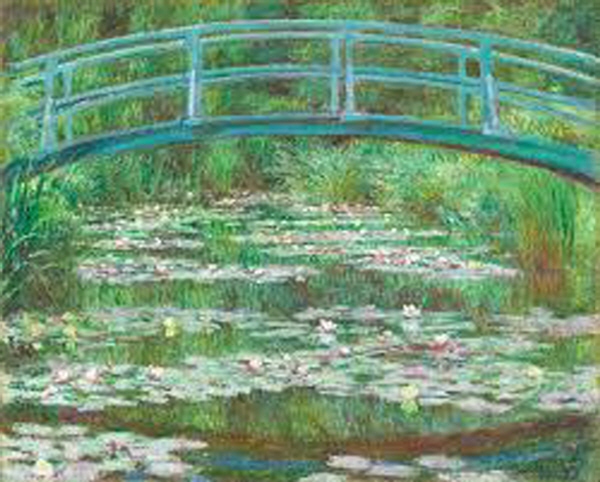
In 1890, haystacks inspired Monet to plan series of paintings showing the same motif across seasons, times of day, weather and changing light, and light came first. A true master of Impressionism, he is said to have had a remarkably precise eye and hand, and through relentless observation he developed the ability to see right through nature's shifts. His rough, forceful brushwork and sharp swings in tone grew out of that experience.
It was far from easy work. How could he capture the changing light on the very same subject? The light he saw in a given moment, and the shapes it picked out, had never existed before and would never exist again. His eyes and hands had to keep darting toward nature. Monet believed nature was the finest subject for expressing changes in light and color, and over a long life he chased nothing but natural light. For him, how to render light mattered far more than what to paint.
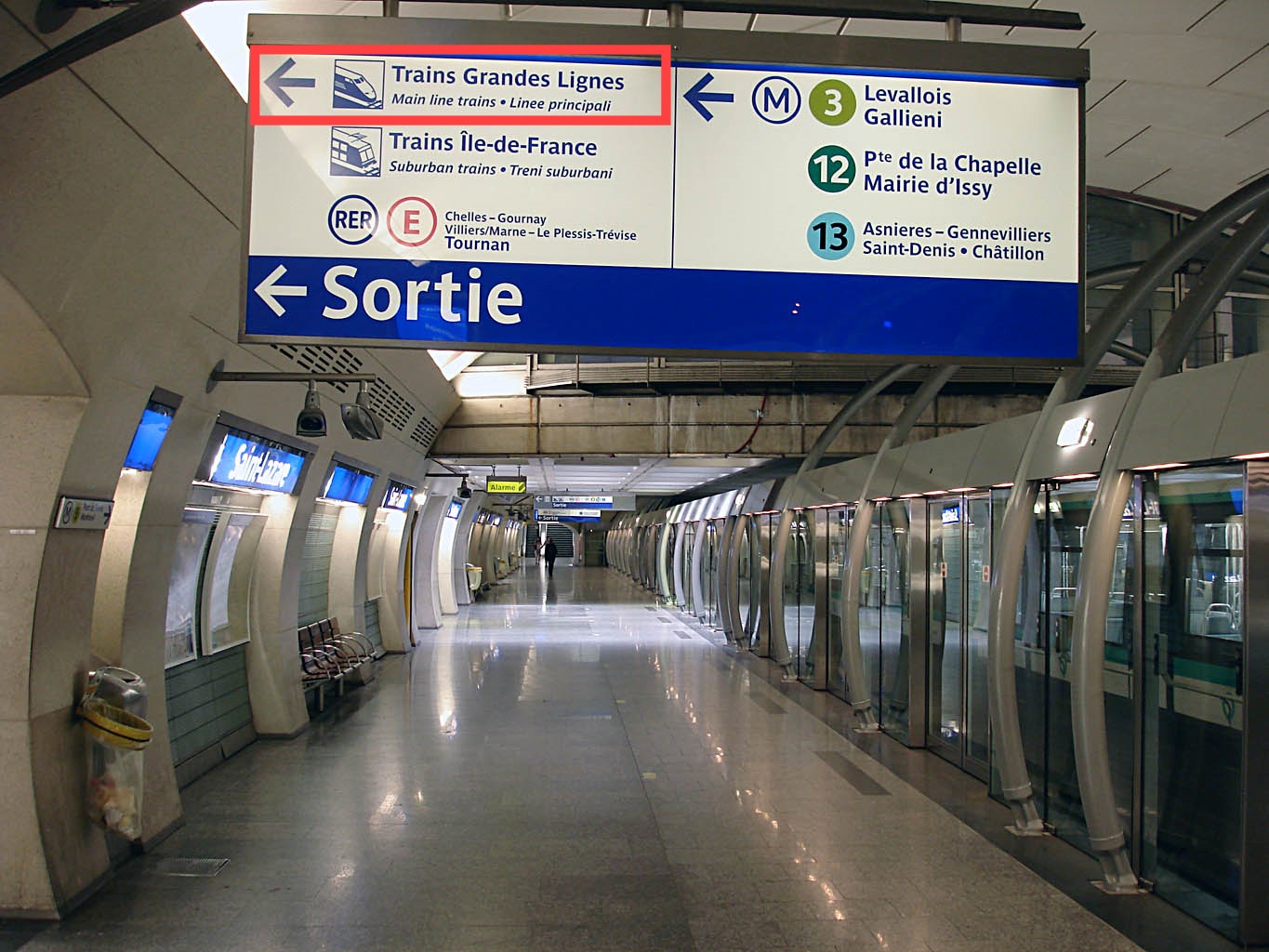
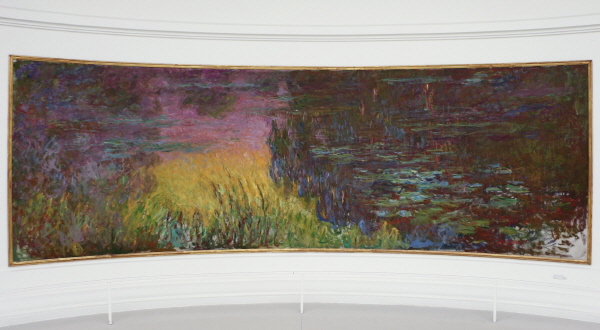
His first series, Gare Saint-Lazare (1876-78), divides a single subject across many canvases according to shifts in color and light. His famed Water Lilies, which occupied him from 1899 until his death in 1926, was his last. After losing his second wife in 1911, he fell into despair and set down his brushes for three years. With encouragement from his friend, the statesman Georges Clemenceau, he finally picked them up again, and the result is the great Water Lilies mural cycle at the Musée de l'Orangerie in the Tuileries Garden in Paris. You can see the same pursuit of changing light in his Rouen Cathedral series.
Keep in mind that a series doesn't mean the size, composition and viewing angle stay the same while only the light changes. Canvas size and viewpoint vary from work to work.
Late in life Monet suffered from cataracts, and some speculate that the symptoms began earlier than is generally known. From the late 1880s he pursued shifting light over fine detail, and in his brightest paintings form takes over from line. Either way, Claude Monet is regarded as the painter who captured changing light better than anyone, which is why he is called the "father of Impressionism."