Paris · Food & Drink
Where to Eat Traditional French Food in Paris
Paris · Paris, France

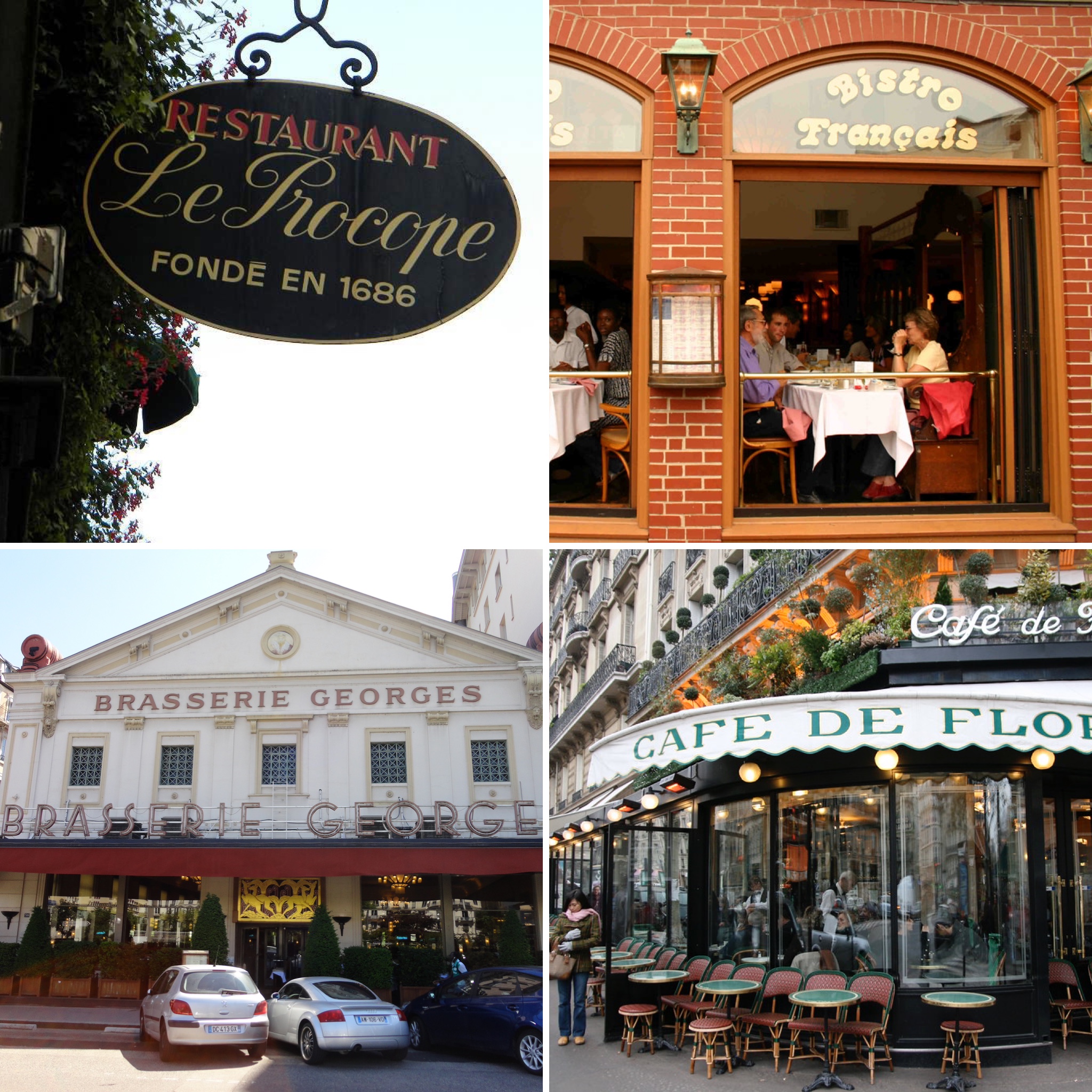
You can't visit Paris without trying traditional French cooking, and you don't have to go far to find it: good spots are scattered all over the city. Restaurant and dish names below are mostly in French, so it helps to read this with the on-screen list in front of you.
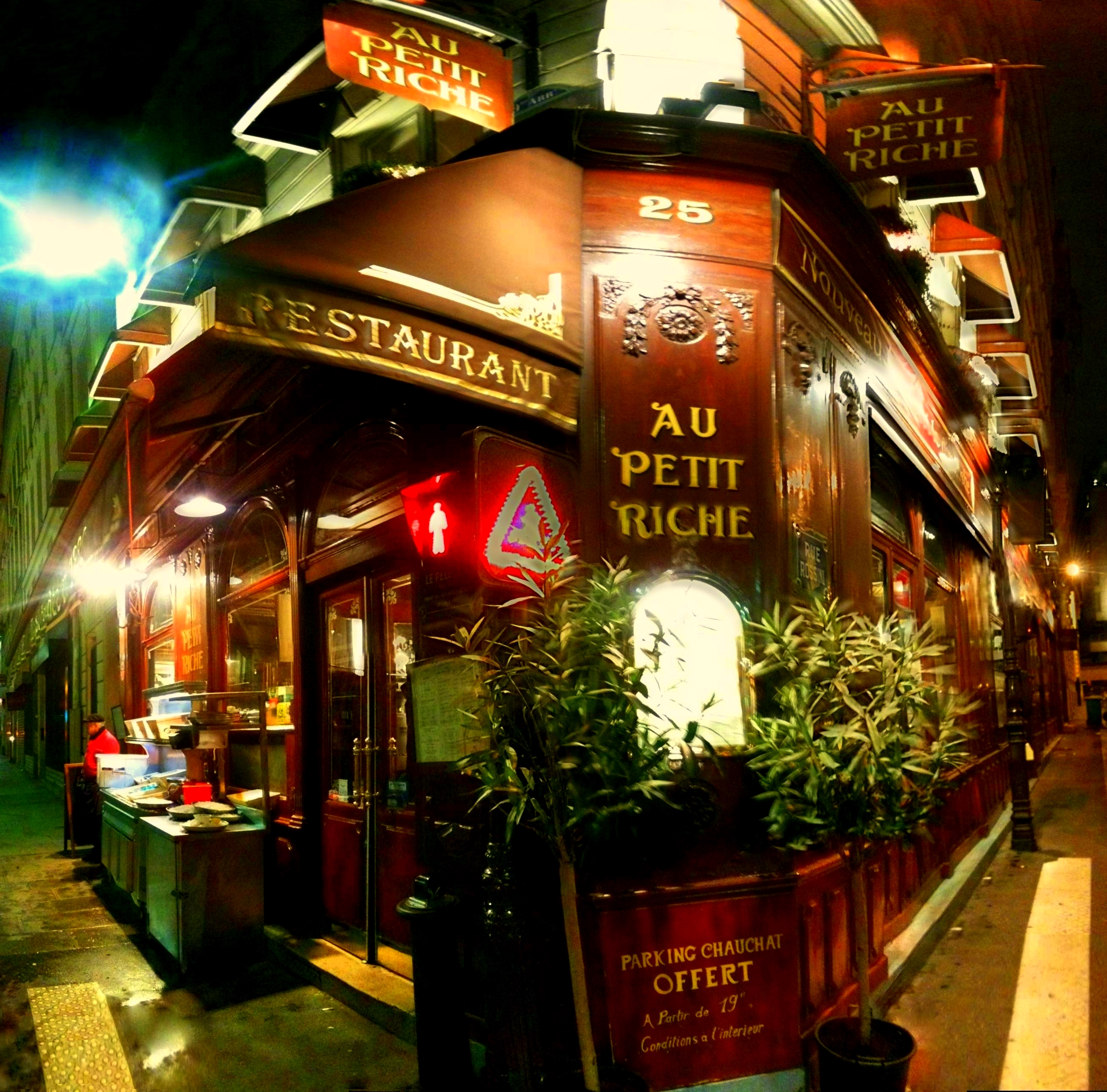
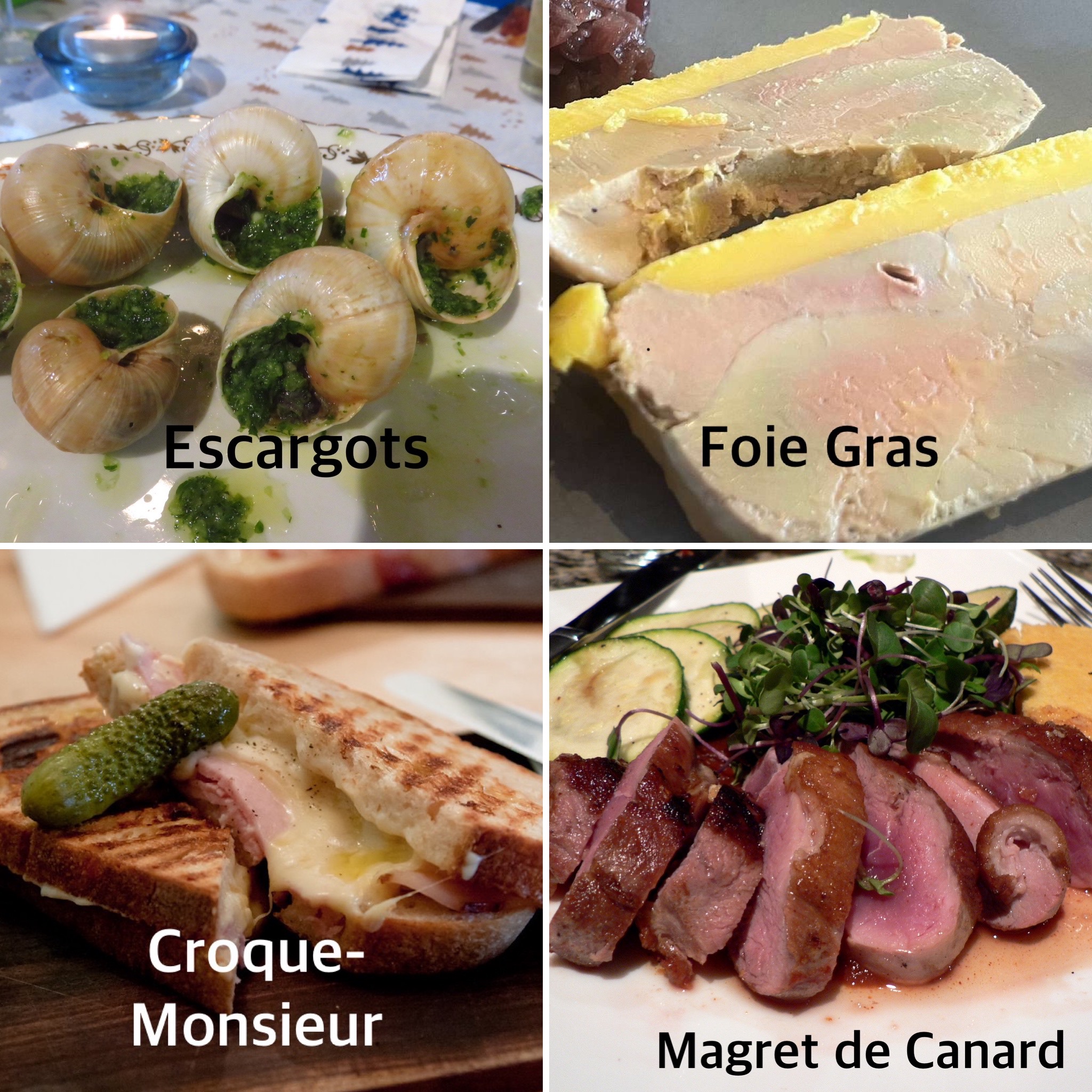
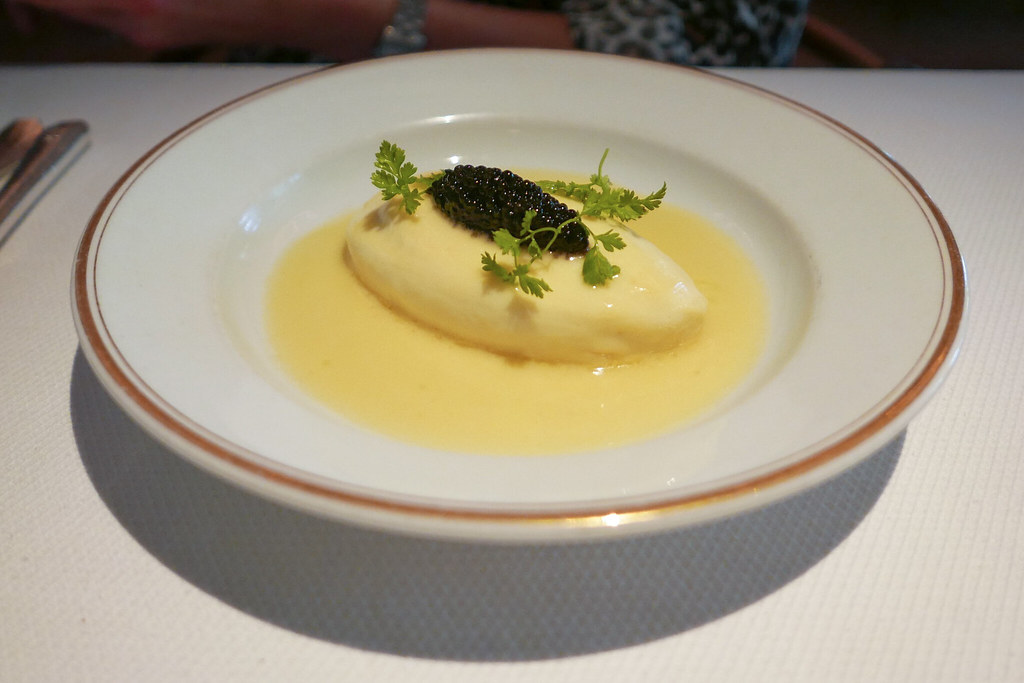
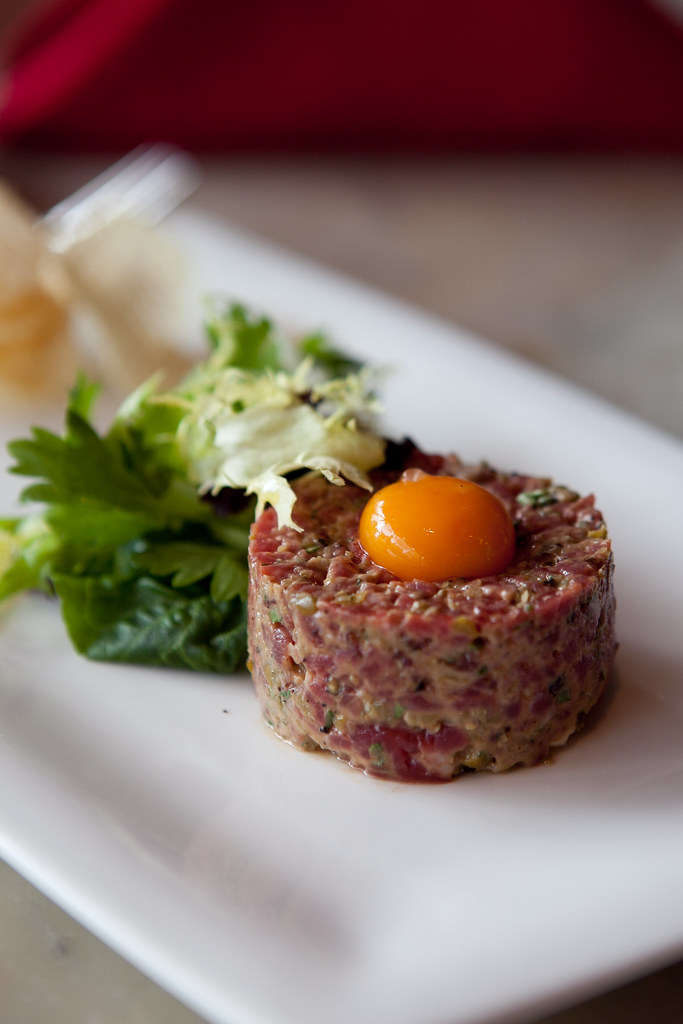
First up is Au Petit Riche. It's a bit pricey, but locals make up a big share of the crowd, and it's the place for an unhurried French meal in an elegant setting. Opened in 1854, it's a long-established restaurant known for drawing politicians and public figures. Signature dishes include escargots, foie gras, croque-monsieur (the warm French ham-and-cheese sandwich) and magret de canard, a duck breast steak. Don't skip the duck. You'll also find raw oysters and quenelle, sometimes described as French fish cake: soft fish blended with butter and egg, then cooked. Opinions are divided, but it's a signature dish of Lyon, France's second-largest city. There's also tartare de boeuf (seasoned chopped raw beef), plus beef tenderloin and calf's head, which are surprisingly hard to find elsewhere.
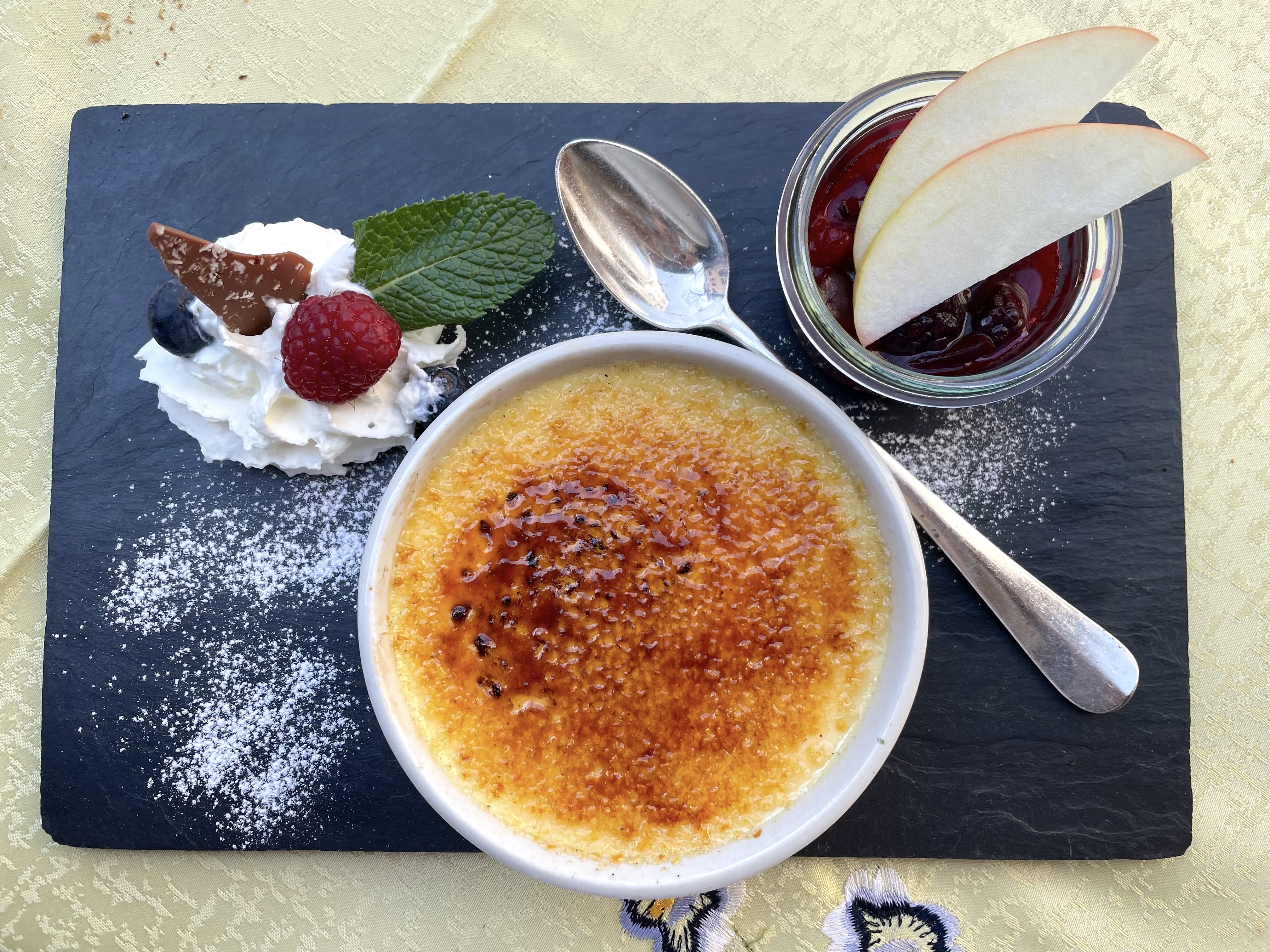
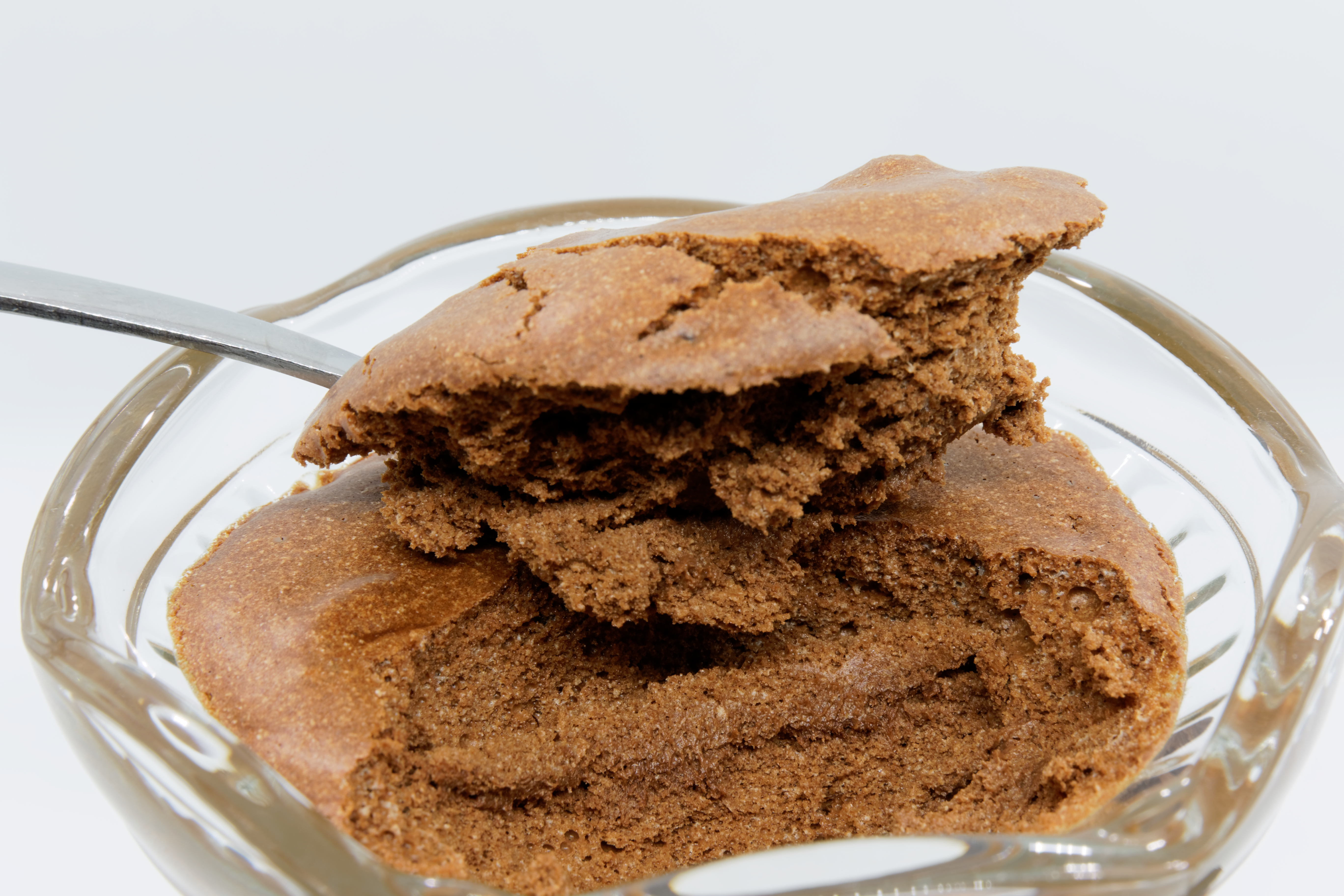
For dessert, there's crème brûlée: a custard of egg yolks, sugar and cream with sugar on top, briefly torched. It's on the menu at countless French restaurants. Mousse au chocolat is made with melted chocolate folded into egg whites and served cold. Both desserts are excellent even from a supermarket fridge, so that's the budget route. Since Au Petit Riche sits at the top of the price range, go at lunch, when a two-course set costs 30 euros.
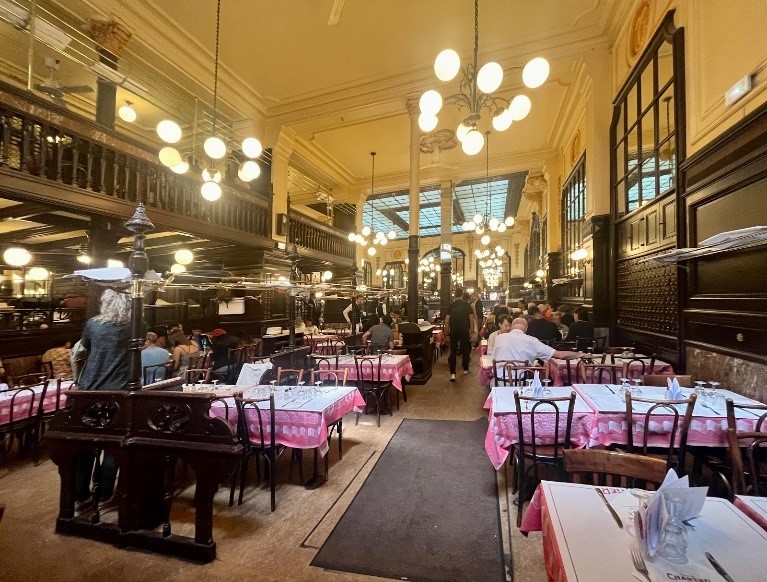
Next is Bouillon Chartier Grands Boulevards, where traditional French food comes cheap. "Bouillon" originally means broth, and the word carries the restaurant's history. The area around Châtelet–Les Halles station was once a market ("hall" means market). In the 19th century, a butcher there served good food at rock-bottom prices to market workers, much like a canteen supplier, always giving them a bowl of broth with their plate of meat. Such canteens became known as bouillons. By around 1900 Paris had 250 of them, and they're considered the origin of the big restaurant chain. About 15 still operate in Paris, true to the original idea of affordable traditional food, in dining rooms as vast as canteens. The branch right next to Grands Boulevards metro station is the pick here, on the strength of a French friend with a discerning palate who raved about it.
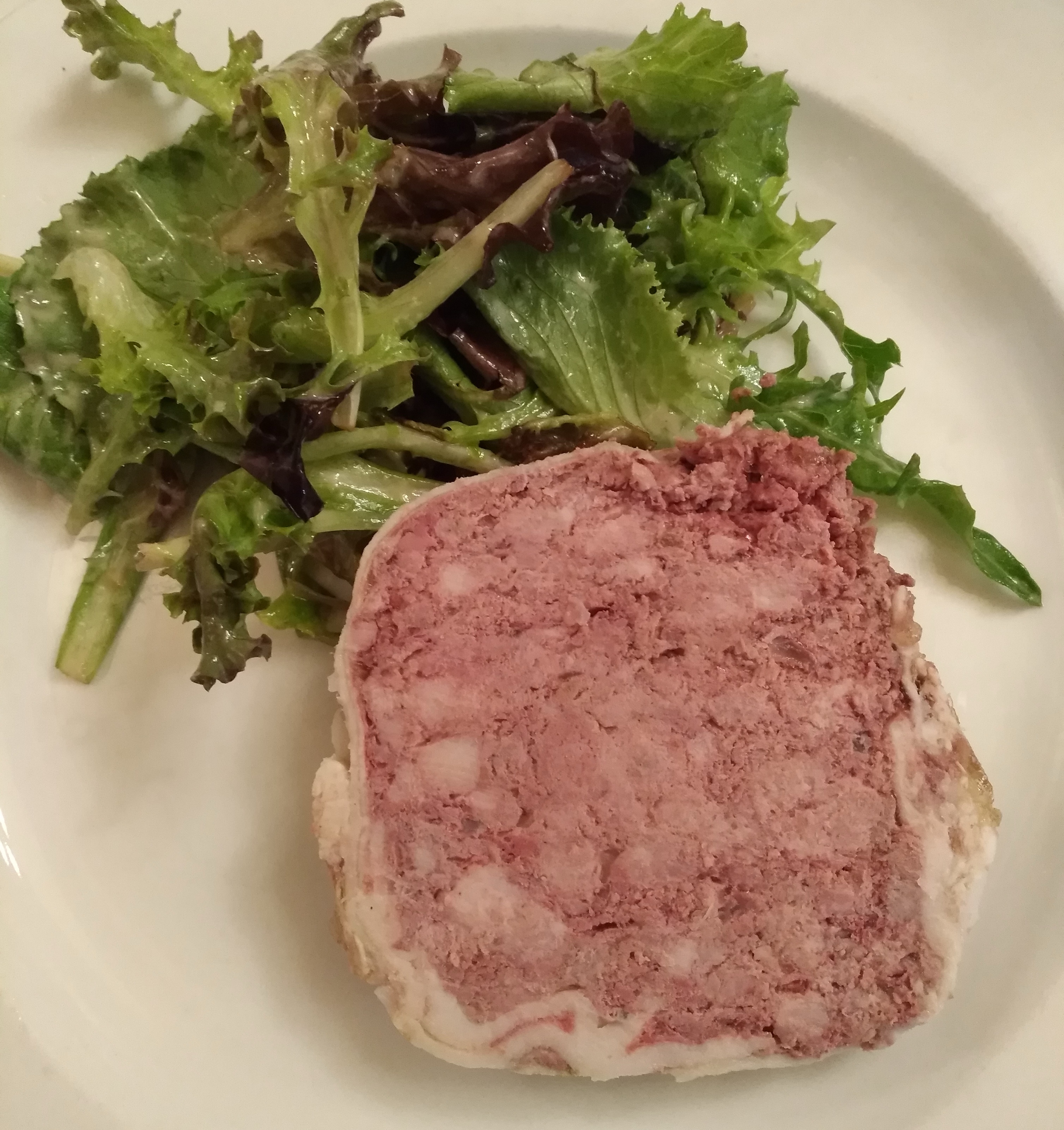
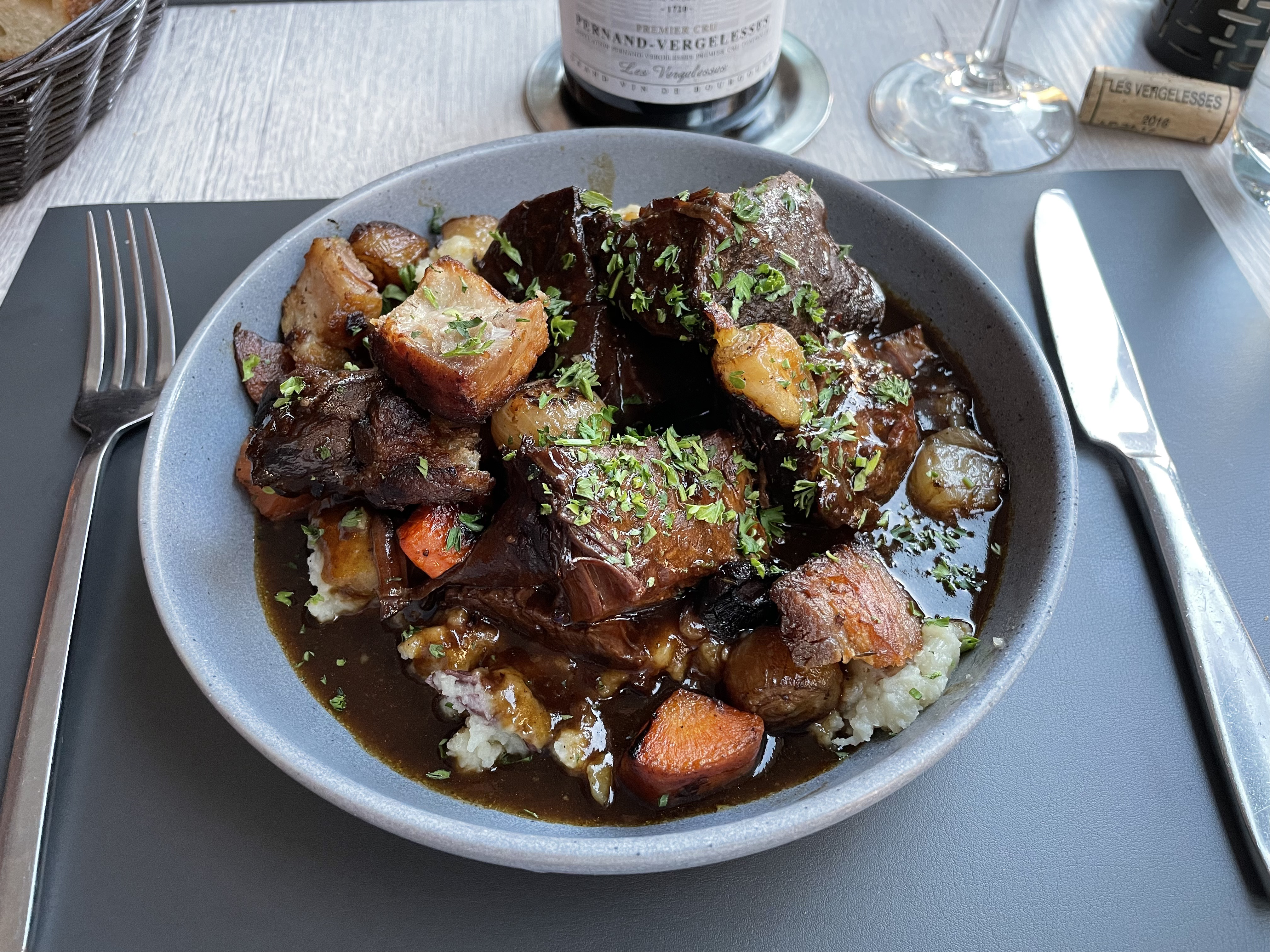
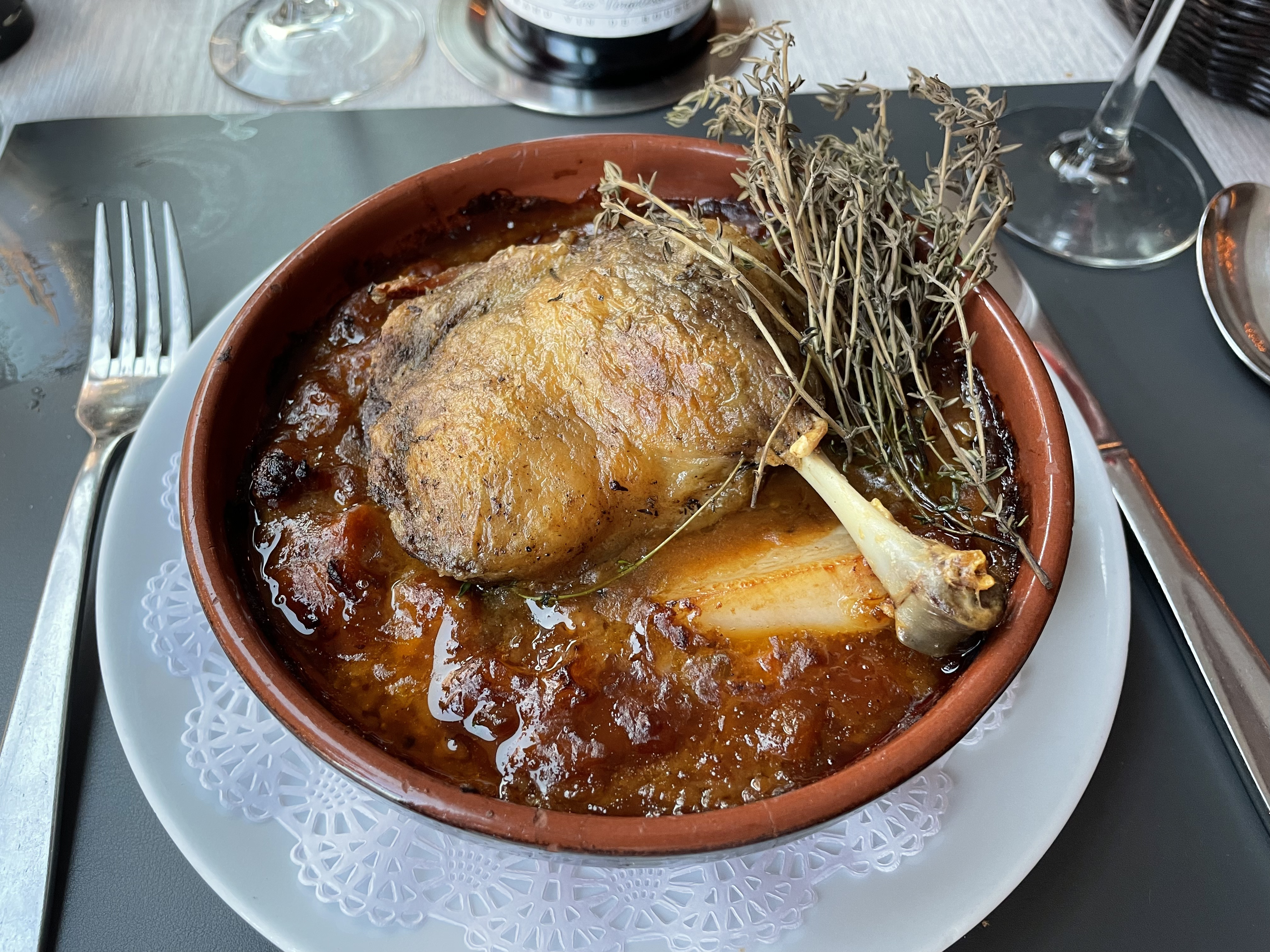
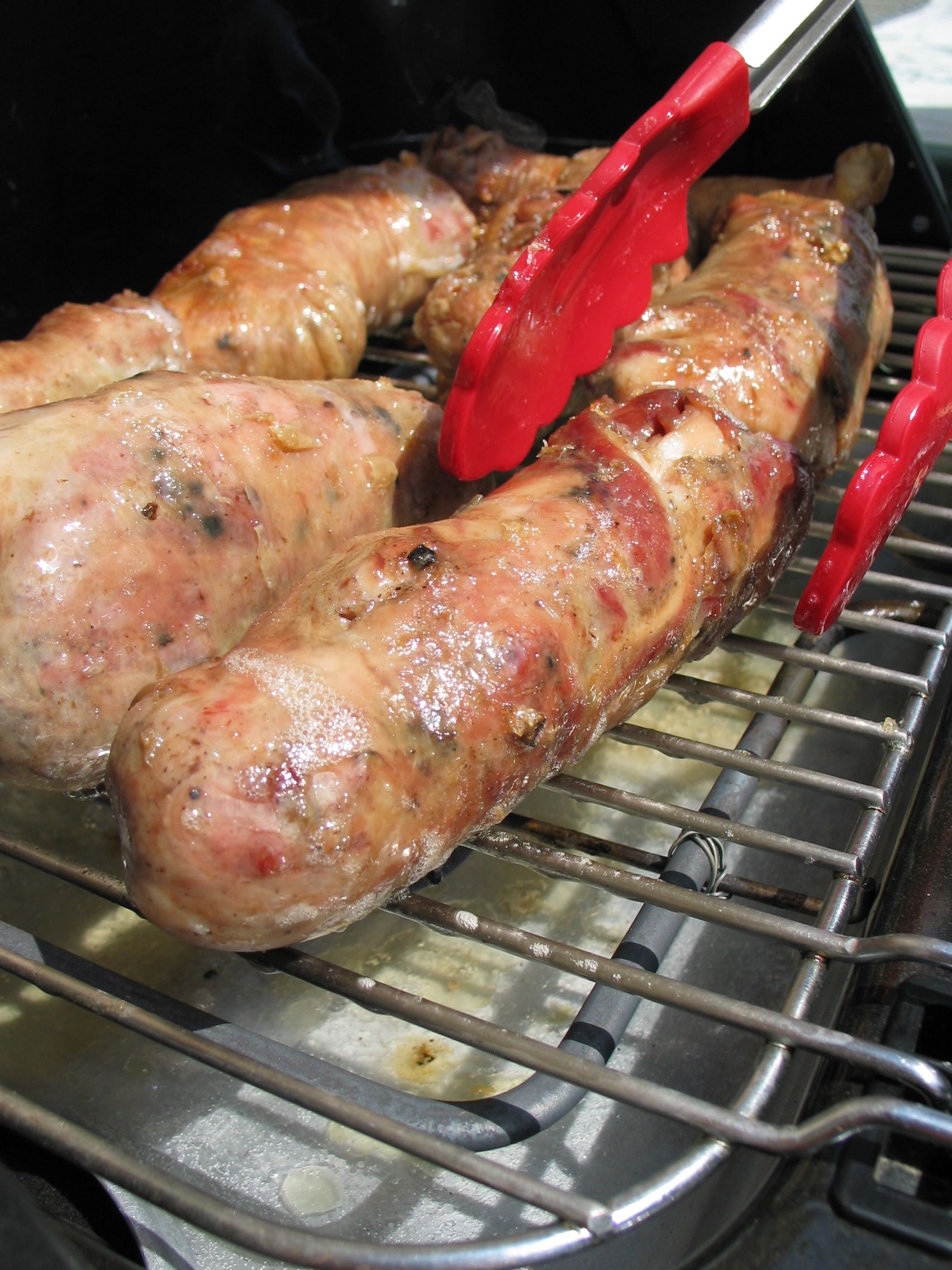
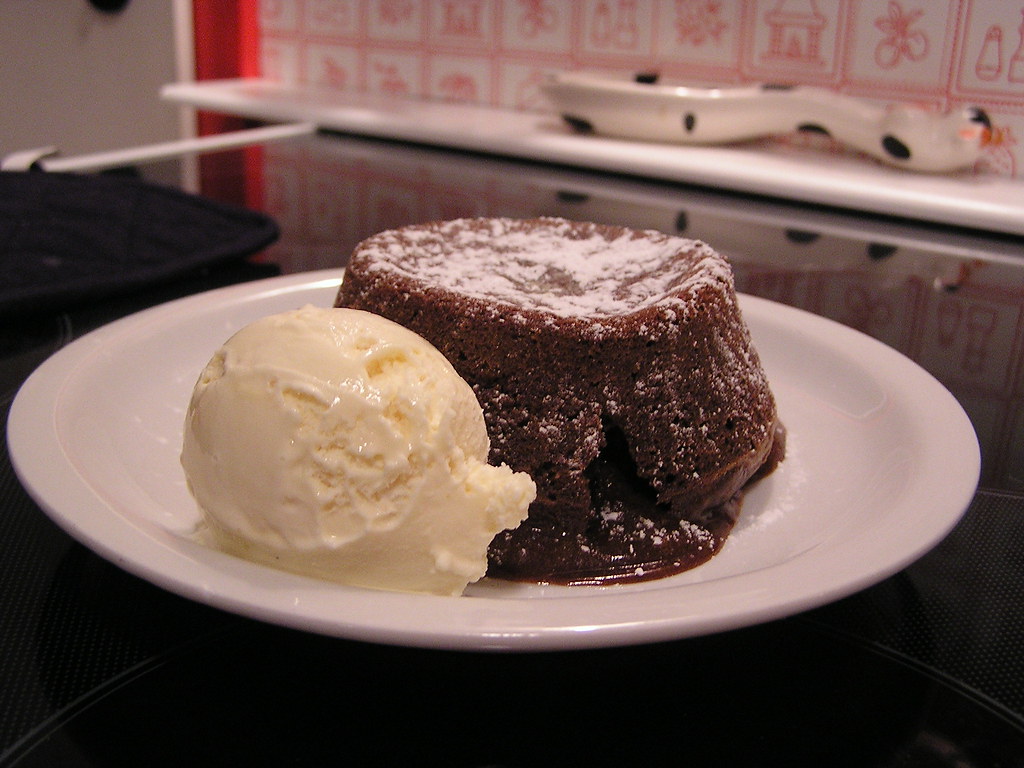
The prices are remarkable for the quality. Starters: soup or carrot salad for 1 euro, eggs with mayonnaise 2 euros, avocado with shrimp 4 euros, and terrine, a type of charcuterie spread on bread, 3.70 euros. For mains, boeuf bourguignon, probably France's best-known dish, is 10 euros. It's a classic of Burgundy, the wine region: beef and vegetables slow-cooked in a big pot with red Burgundy wine for deep flavor. Confit de canard, braised duck leg, is 13 euros, and andouillette, a sausage of pork tripe grilled whole, is 12.50 euros. Other meat dishes average around 10 euros, and moelleux au chocolat, the classic French chocolate cake, is 4 euros. Even a full three-course meal comes in under 20 euros.
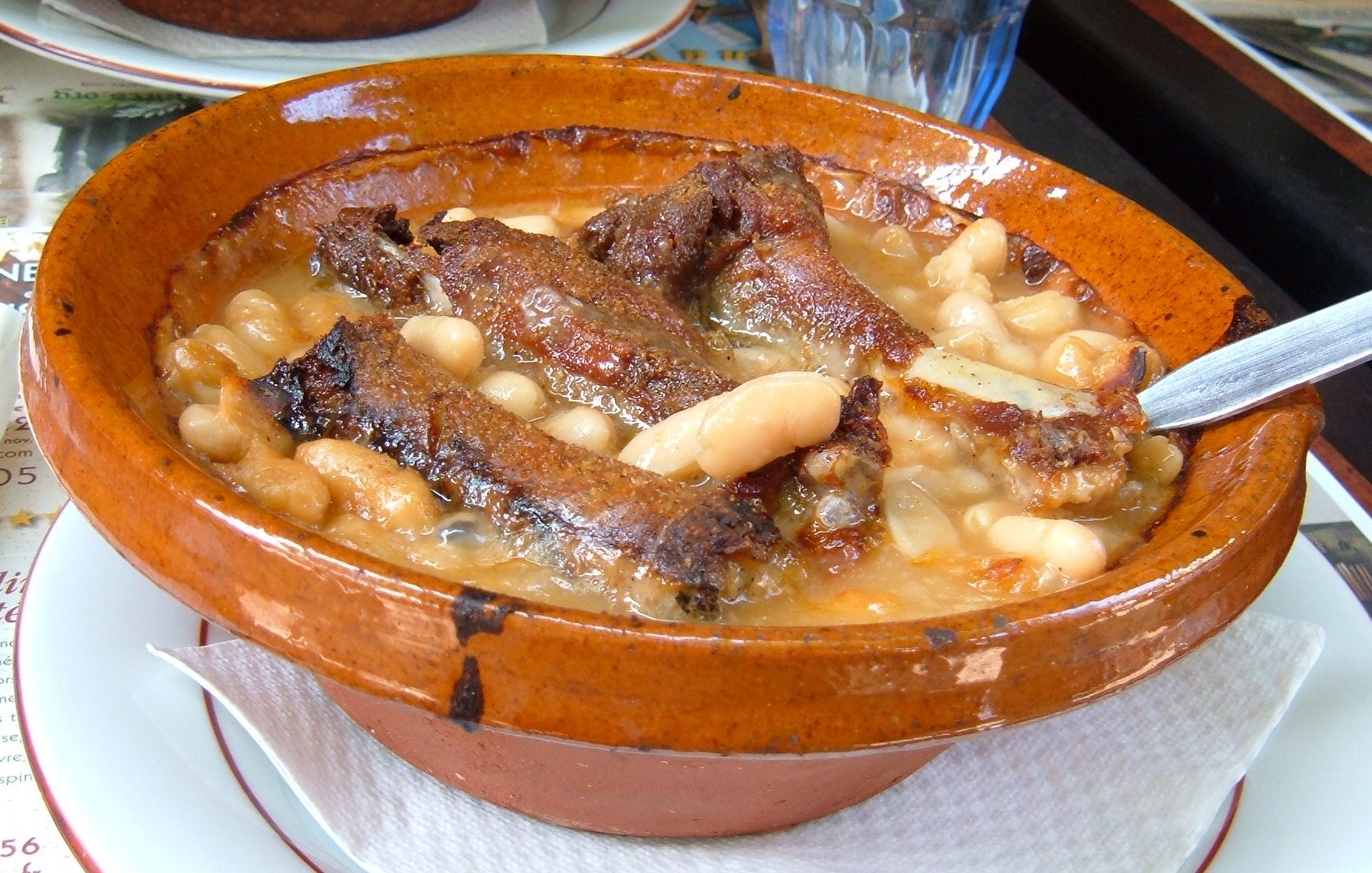
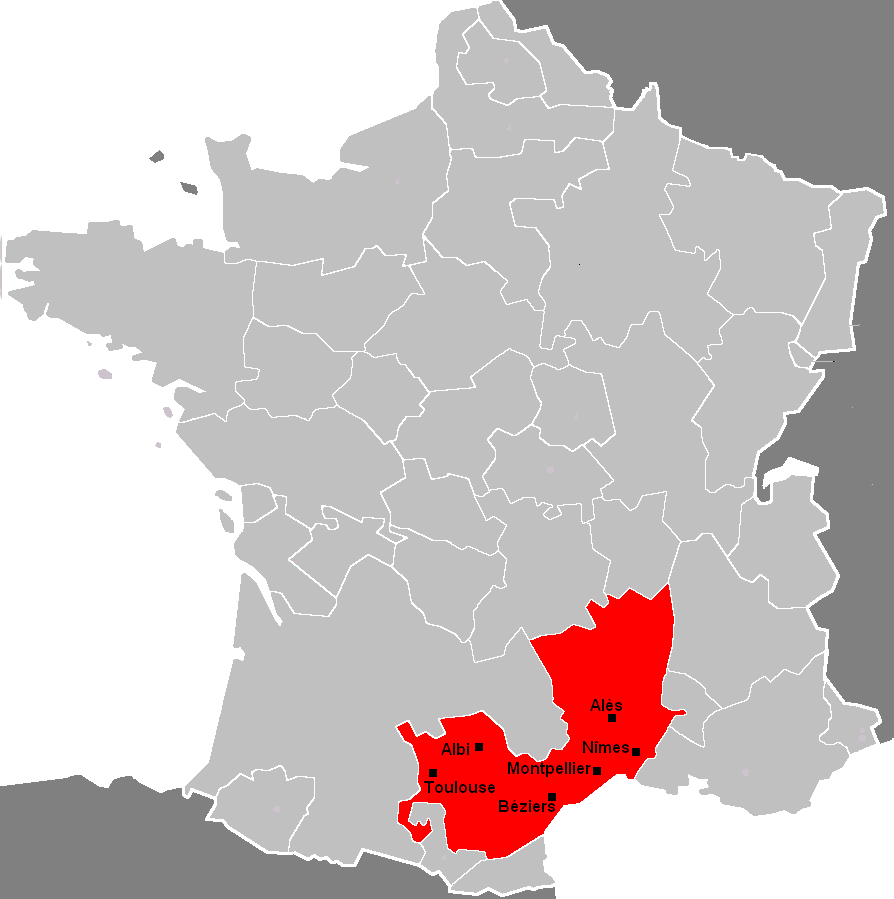
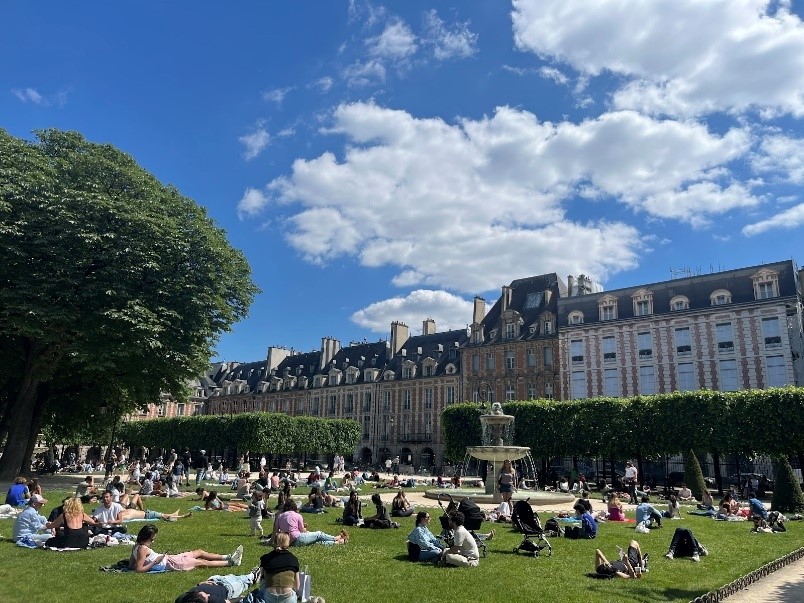
Third is Bistro de l'Oulette, serving the traditional cooking of southwest France. The region's best-known cities are Bordeaux and Toulouse, and its specialties are goose and duck, which feature heavily on the menu. Cassoulet is a classic of Languedoc, whose main city is Montpellier: white beans with Toulouse sausage, duck leg, tomato sauce and assorted herbs. It's slightly pricier, but a lovely choice for an intimate meal in a charming setting. It's also close to Place des Vosges, home to Victor Hugo's house, so the two combine well.
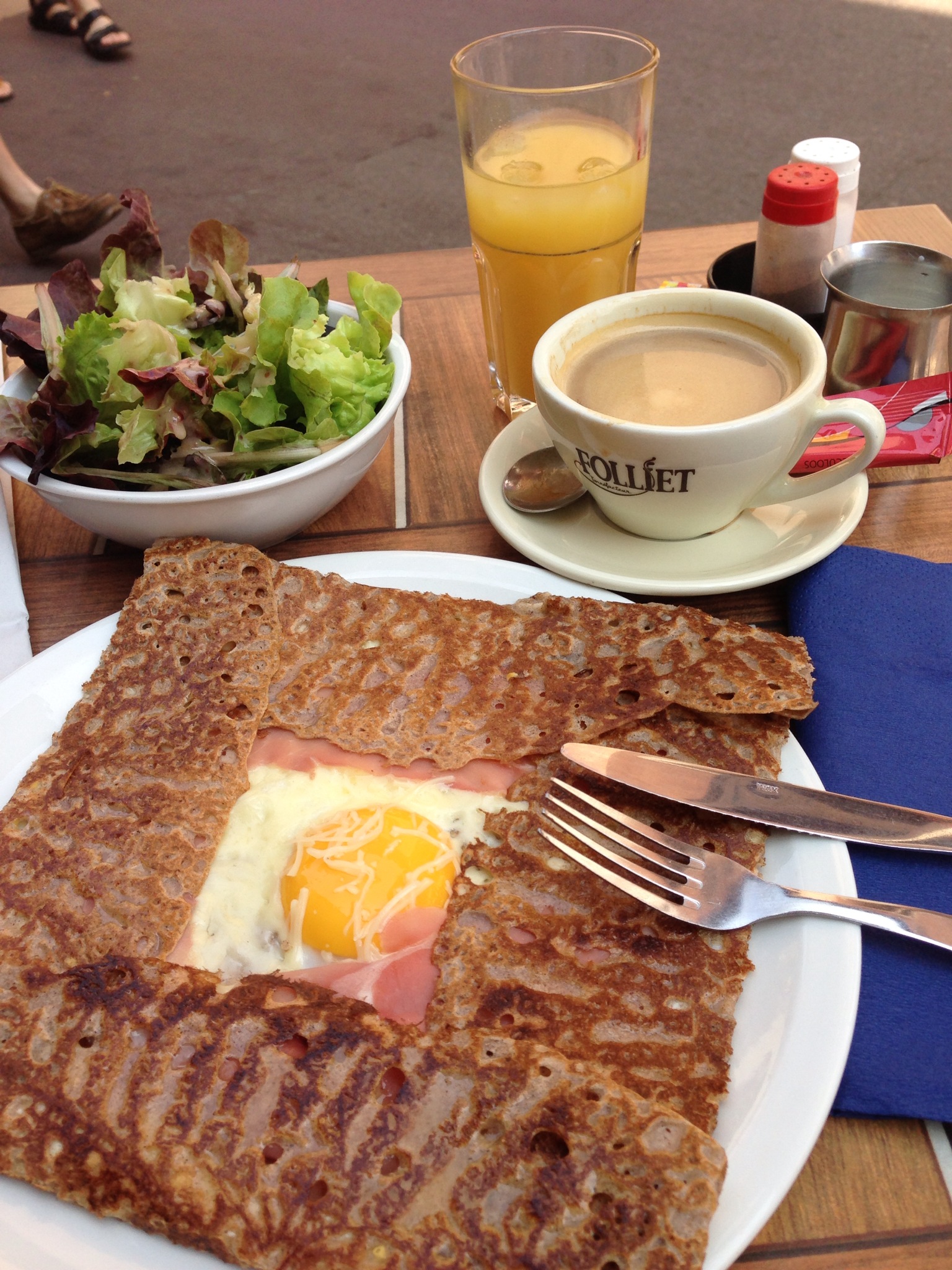
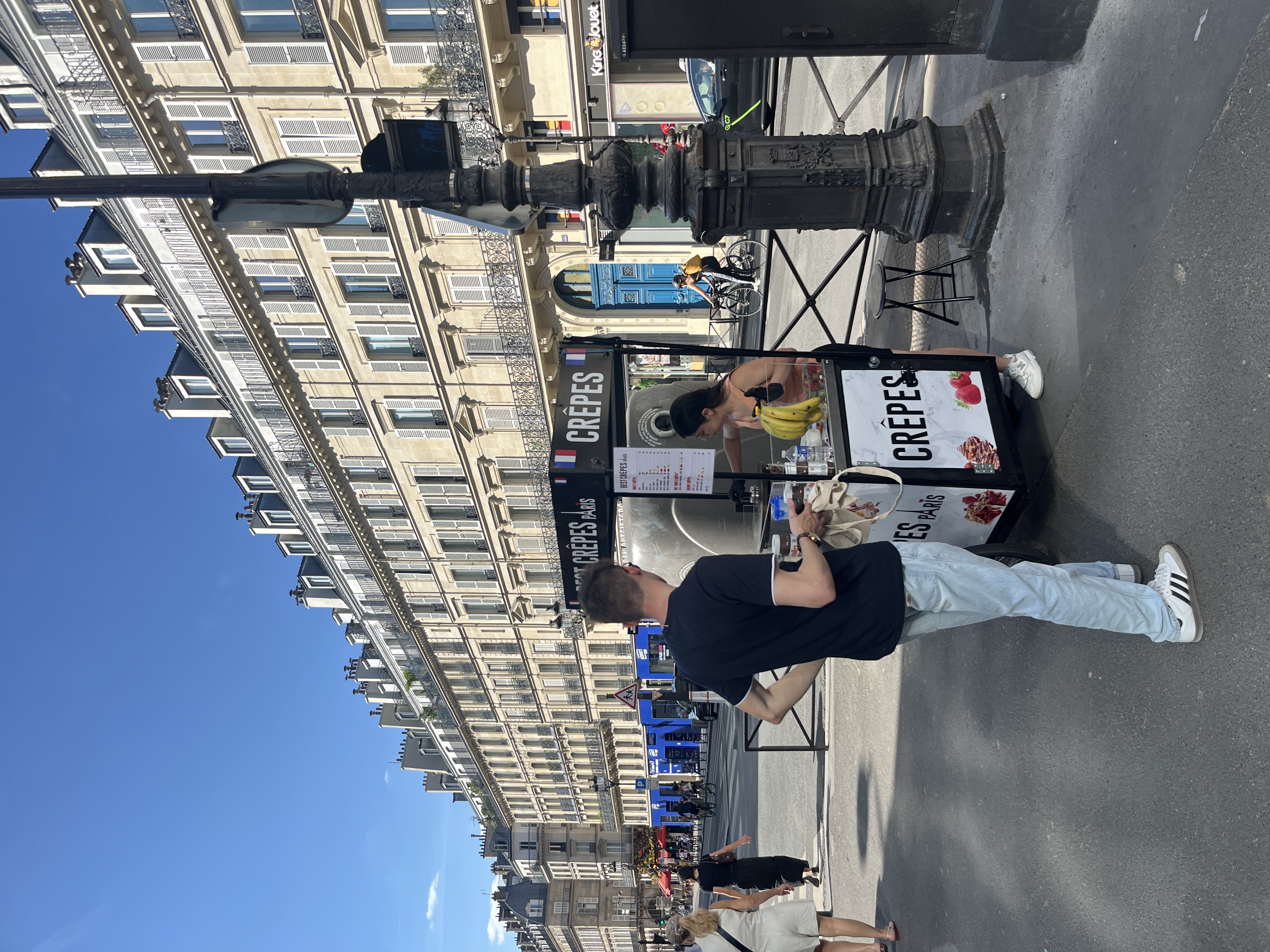
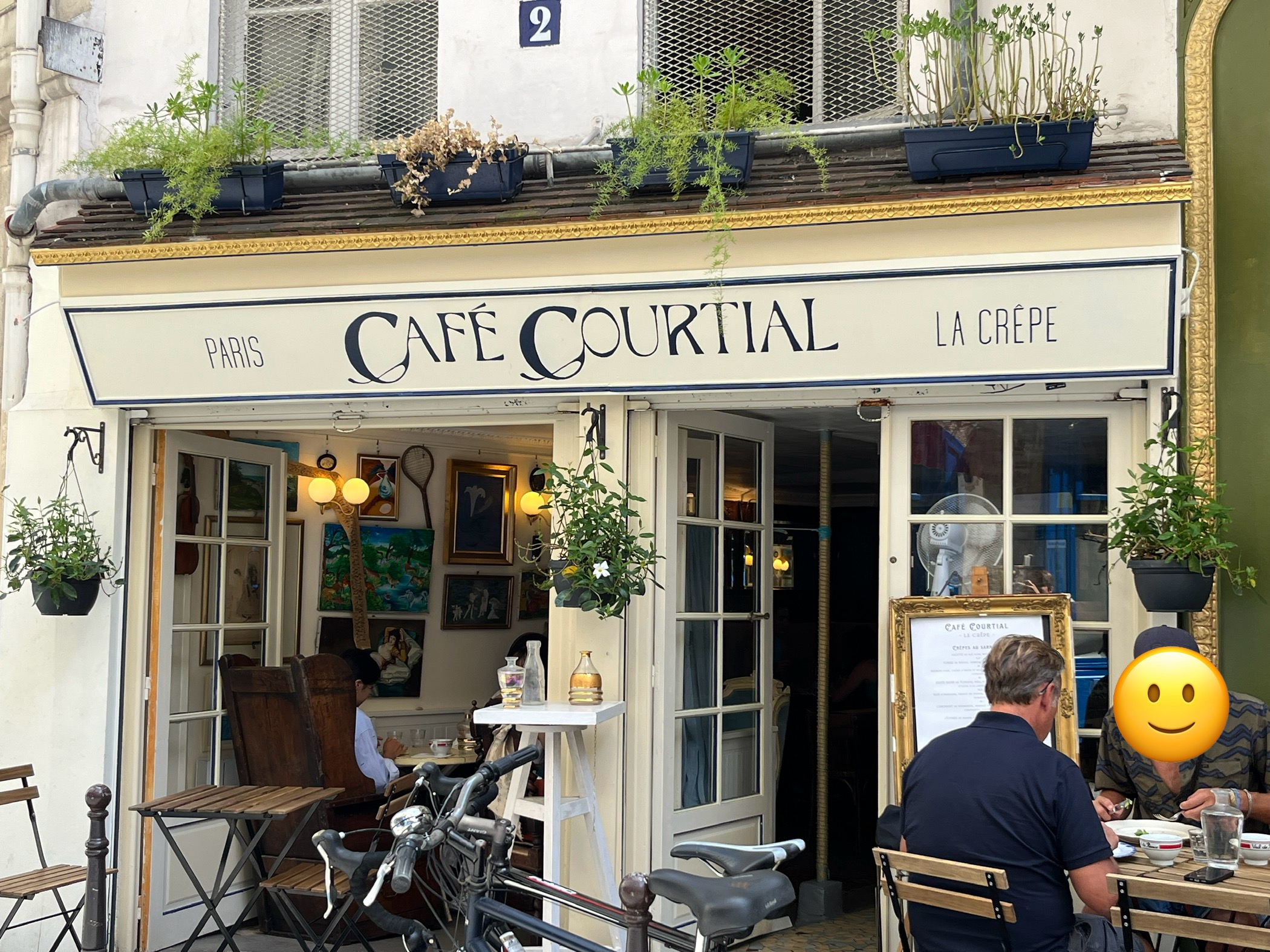
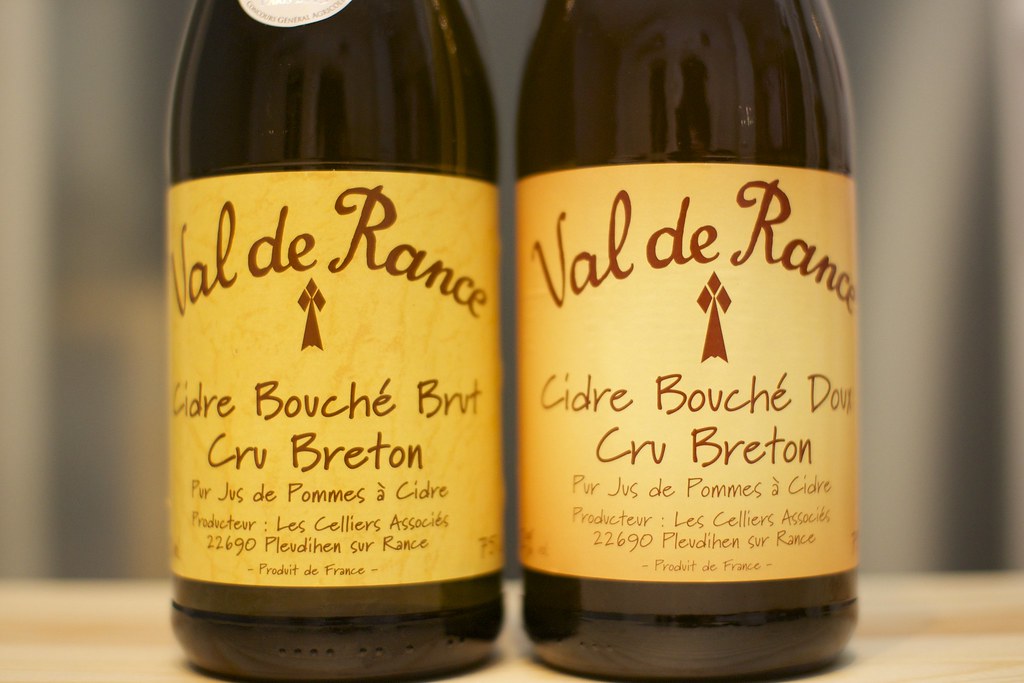
Finally, no tour of French tradition is complete without galettes and crêpes. A galette is the savory (salé) main course: buckwheat batter filled with meat, egg, vegetables, cheese and more. The crêpe follows as dessert, with sweet (sucré) fillings such as jam, honey, Nutella, chocolate or whipped cream. In a country with few street foods, crêpes make up a large share of what street stalls sell. Elsewhere they're often loaded up with all sorts of fillings, but traditionally you'd pick just one or two of those sweet options. A restaurant serving them is a crêperie, and the street to look for is rue du Montparnasse, where crêperies stand almost shoulder to shoulder. The reason: crêperies are a specialty of Brittany in northwest France, and from the 19th century, Bretons who moved to Paris settled around Gare Montparnasse, where trains from Brittany arrive. Immigrant-run crêperies naturally multiplied. They're good wherever you go, and a glass of cidre, the apple cider, goes perfectly with them.