Paris · Shopping
Baron Haussmann and the Making of Modern Paris
Paris · Paris, France
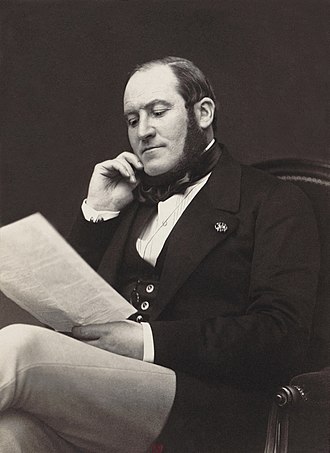
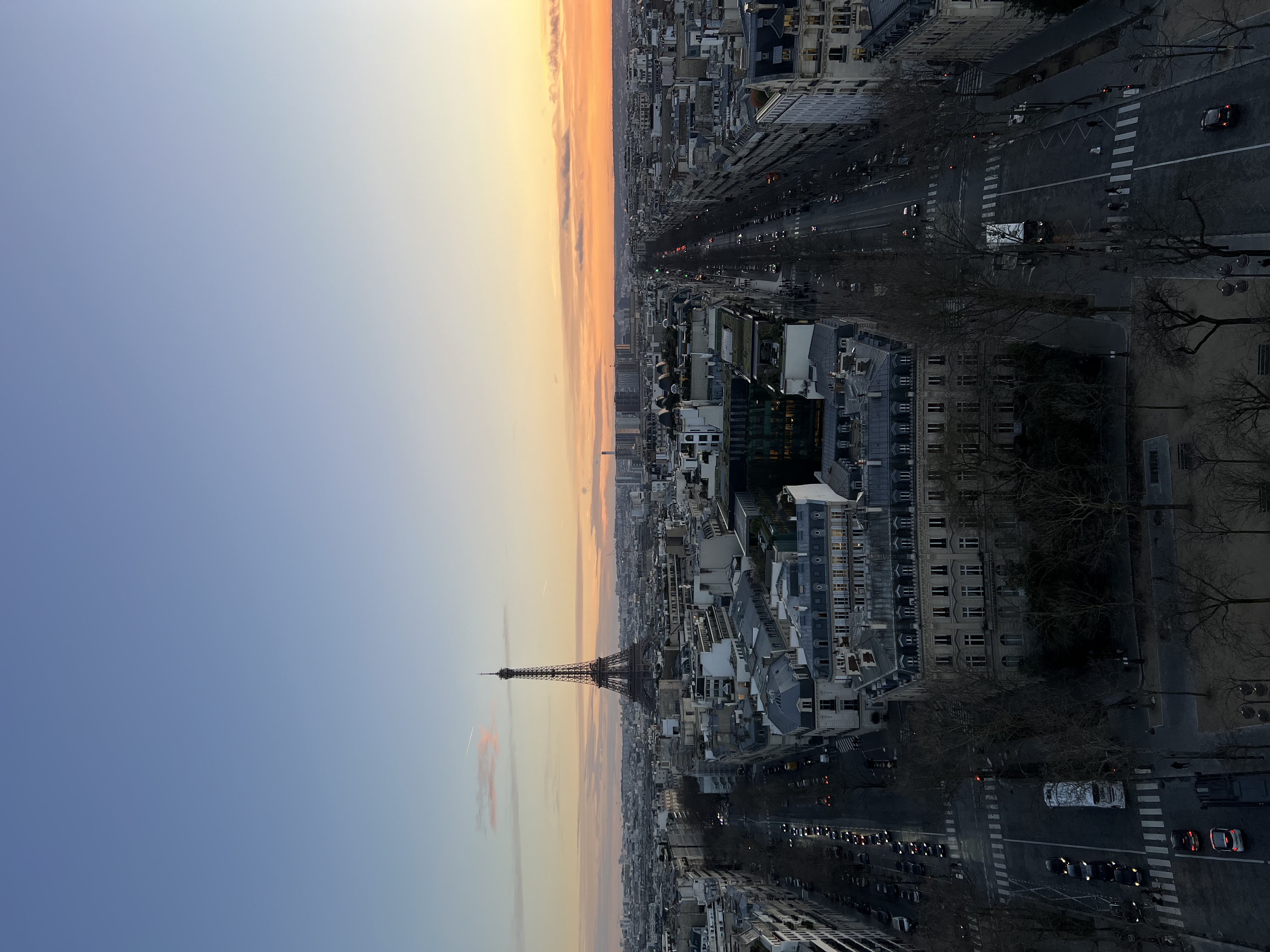
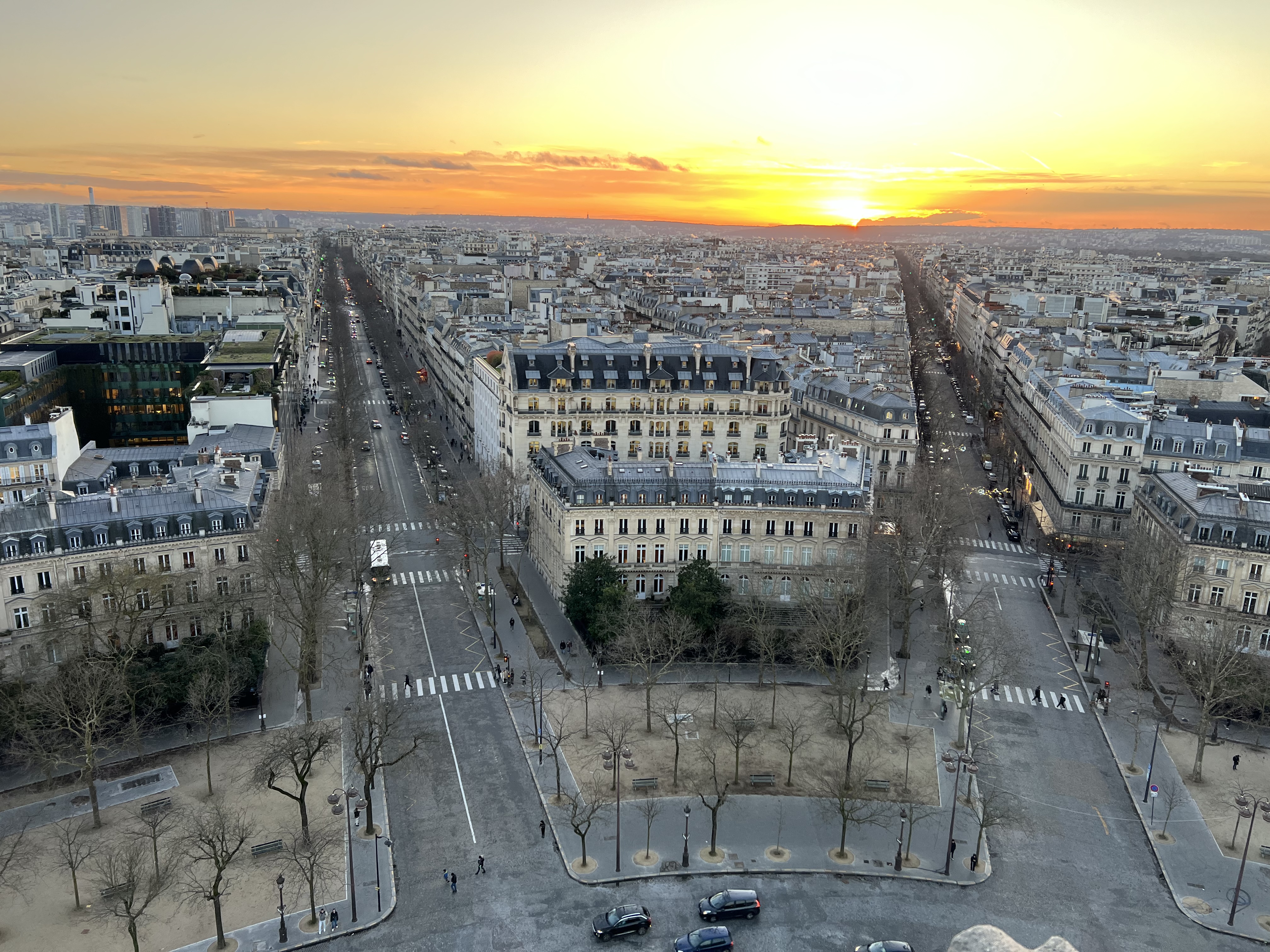
To understand why the department store was almost inevitable, we need to go back to nineteenth-century Paris. The first person you meet there is Baron Haussmann, who, on the orders of Napoleon III, carried out a sweeping transformation of the city and gave Paris the look it has today.
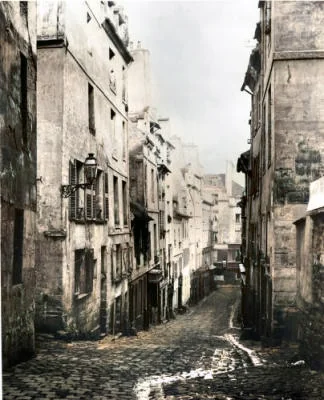
Before Haussmann, Paris was a typical medieval city, nothing like the tidy capital we know now. The biggest difference was the streets. Buildings had sprung up at random along narrow, winding lanes, so tangled that you could barely tell where the historic landmarks were. The sewers and water supply were poorly maintained, contaminated water flowed through the city, and diseases such as cholera spread. Those lanes also made perfect stages for unrest: with the fervor of the Revolution still fresh, rioters often threw up barricades in the twisting streets and brought traffic to a halt. And with a population that included nearly 1.4 million workers, housing and public sanitation were far too poor to cope. Reform was unavoidable.
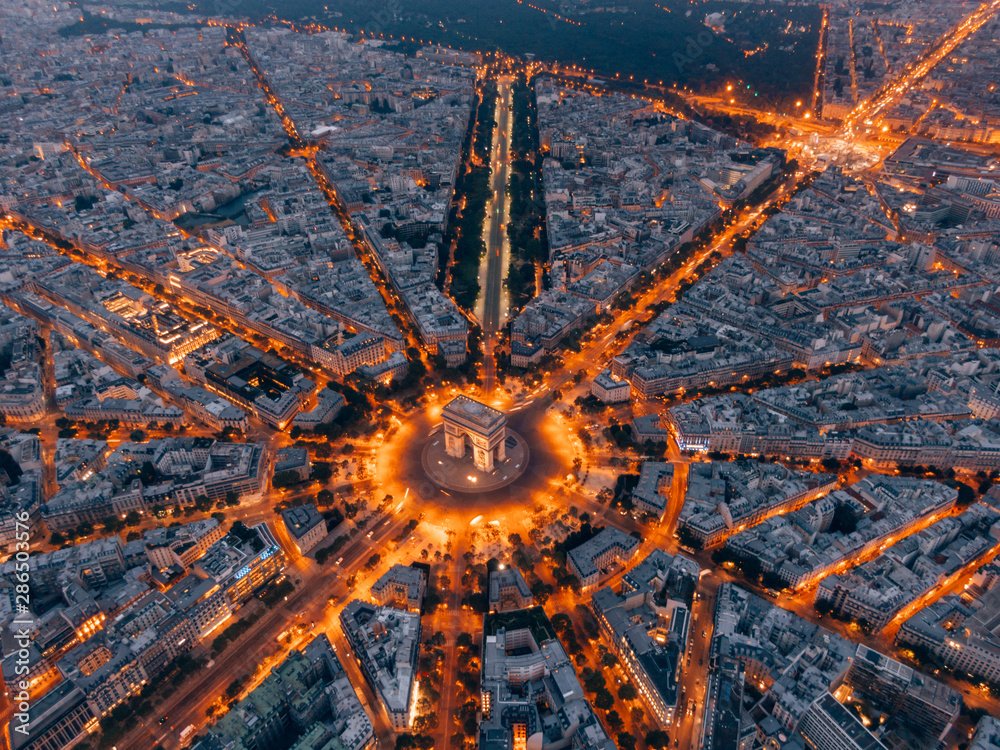
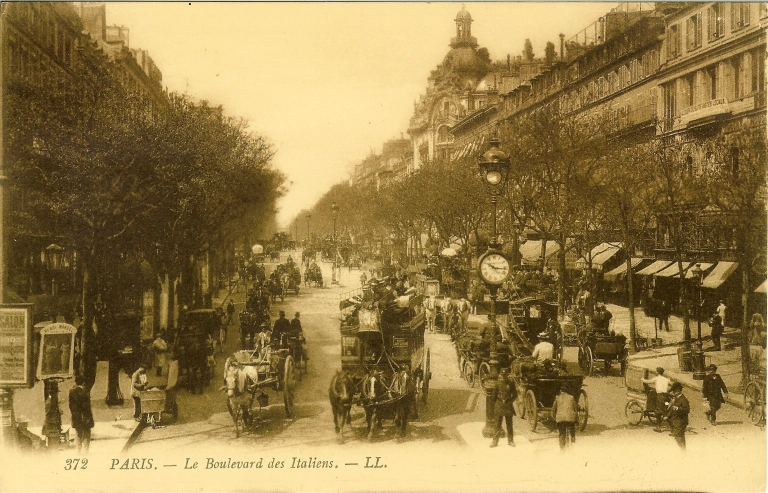
Haussmann went straight for the root of the mess: the roads. Look at Paris from above and you'll see twelve straight avenues radiating from the Arc de Triomphe at Étoile - that is his work. He replaced narrow, crooked lanes with broad, straight boulevards, lined them with buildings built to uniform regulations, and made the historic monuments stand out all the more. The water and sewer networks laid along with the boulevards protected residents from epidemics, and the wider roads made it far easier to put down riots.
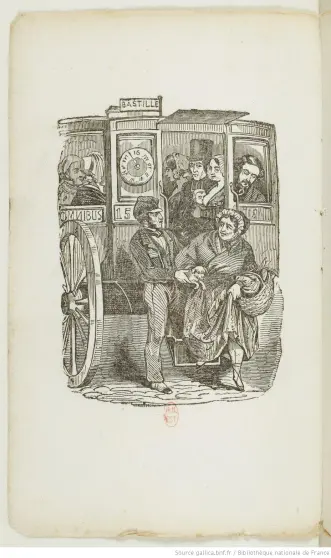
The biggest change of all was transport. The omnibus, a four-wheeled horse-drawn coach, became the city's first public transit, and railways radiating from Paris made travel beyond the city much easier. People poured in, Paris became an economic engine, and the city turned into what Napoleon had hoped for: the "head and heart of France."
Haussmann's project has its critics, who call it a ruthless, bulldozer-style piece of urban planning, say it left the city monotonous, or argue it was meant to suppress revolts. Still, a city planned some two centuries ago is thriving and loved by millions today, which suggests it was a success. Thanks to him, we can walk through Paris and shop as Parisians did back then.