Paris · Architecture
Haussmann's Paris, Seen from the Terrace
Arc de Triomphe · Paris, France
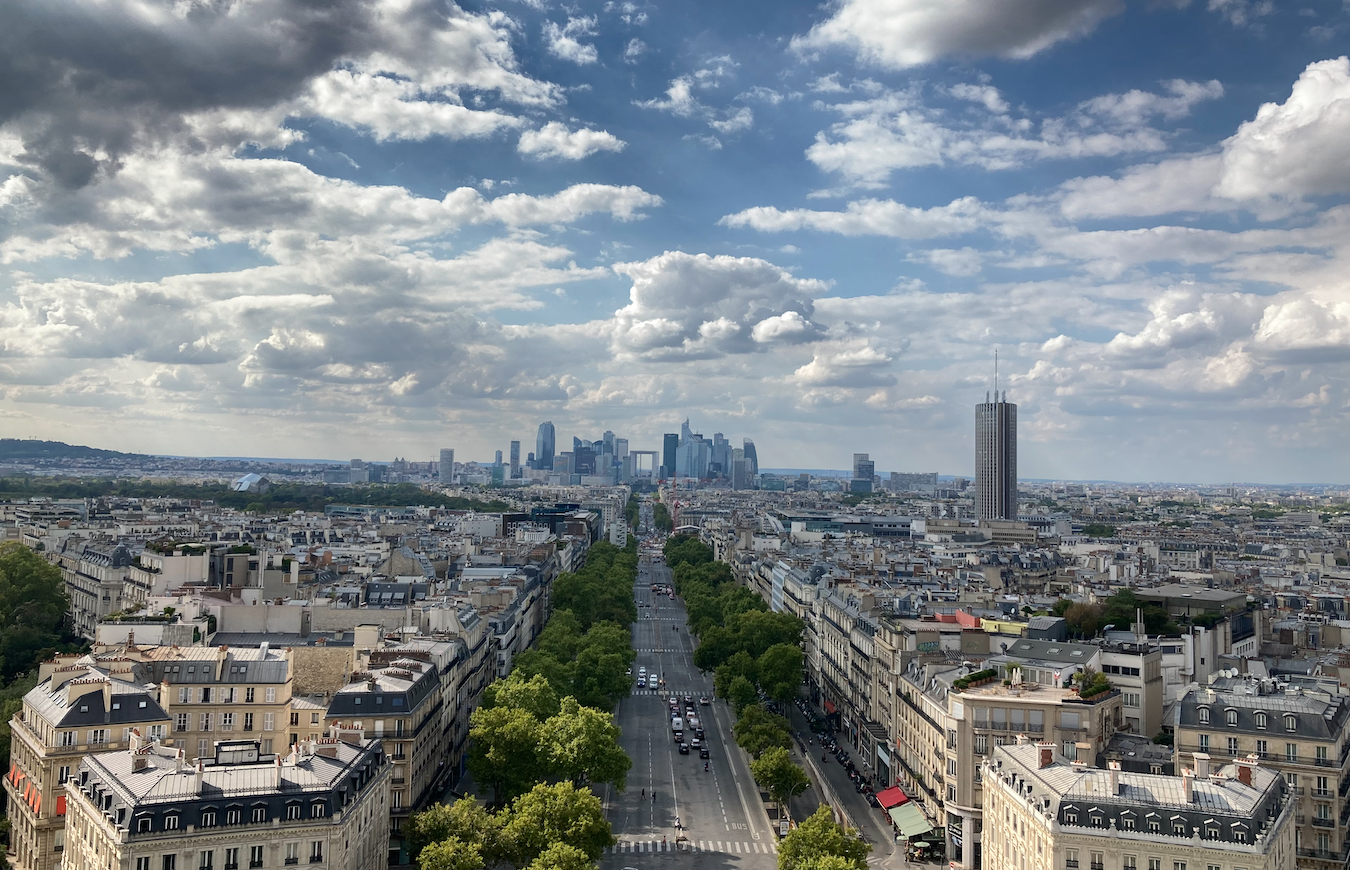
Head over to the spot with a view straight down the Champs-Élysées. Paris has hardly any mountains, just flat ground and low hills, so the view opens up wide. To the left of the Champs-Élysées rises Sacré-Cœur on Montmartre, and to the right stands the Eiffel Tower. Keep your gaze moving right past the tower, and far off on the opposite end of the avenue you will see a cluster of modern skyscrapers. That is La Défense, a business and commercial district, and there stands another triumphal arch, the Grande Arche, said to be the tallest in the world today.
Looking from the Arc de Triomphe toward the Grande Arche, you get the sense that France's past and present are linked along a single avenue. It is a view with a character all of its own.
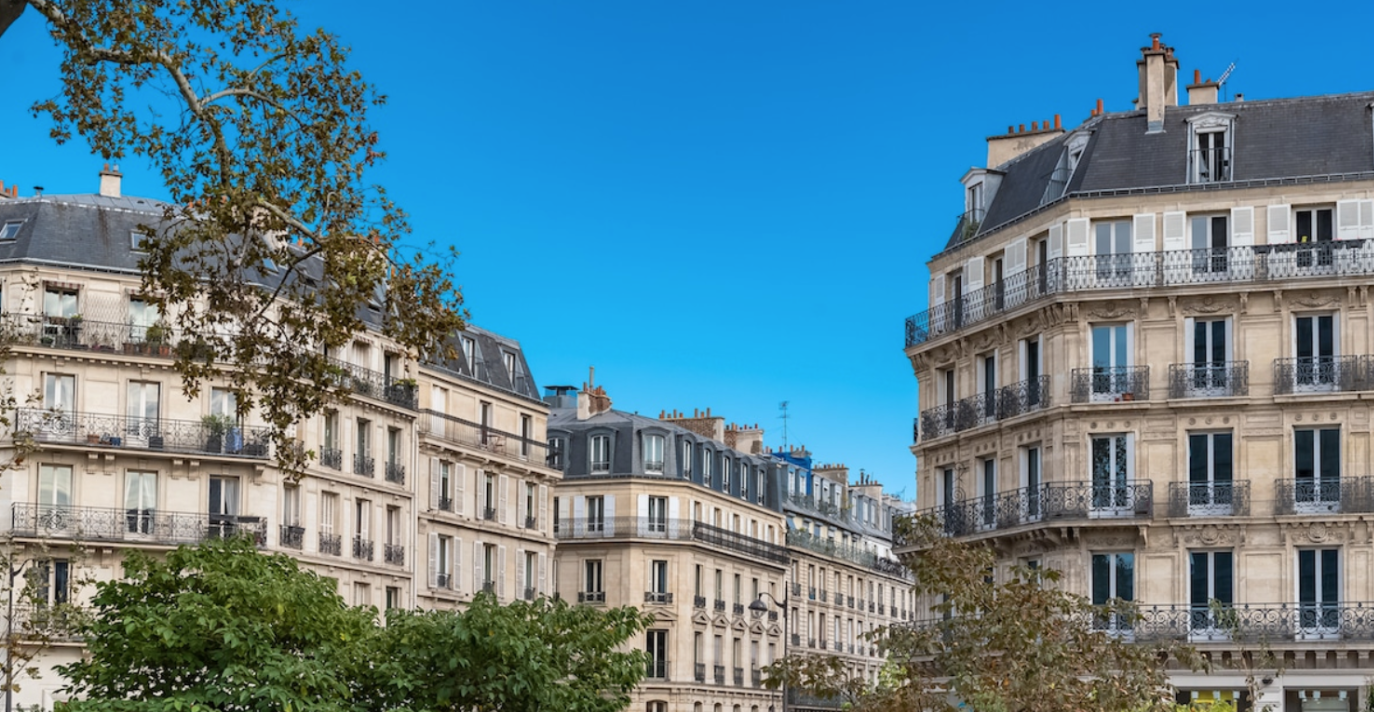
Notice, too, how orderly and uniform the buildings below look. That is the legacy of Baron Haussmann, then mayor of Paris, who led the city's great renovation. It made Paris the most beloved city in the world, and it is often held up as the finest urban renewal project in human history.
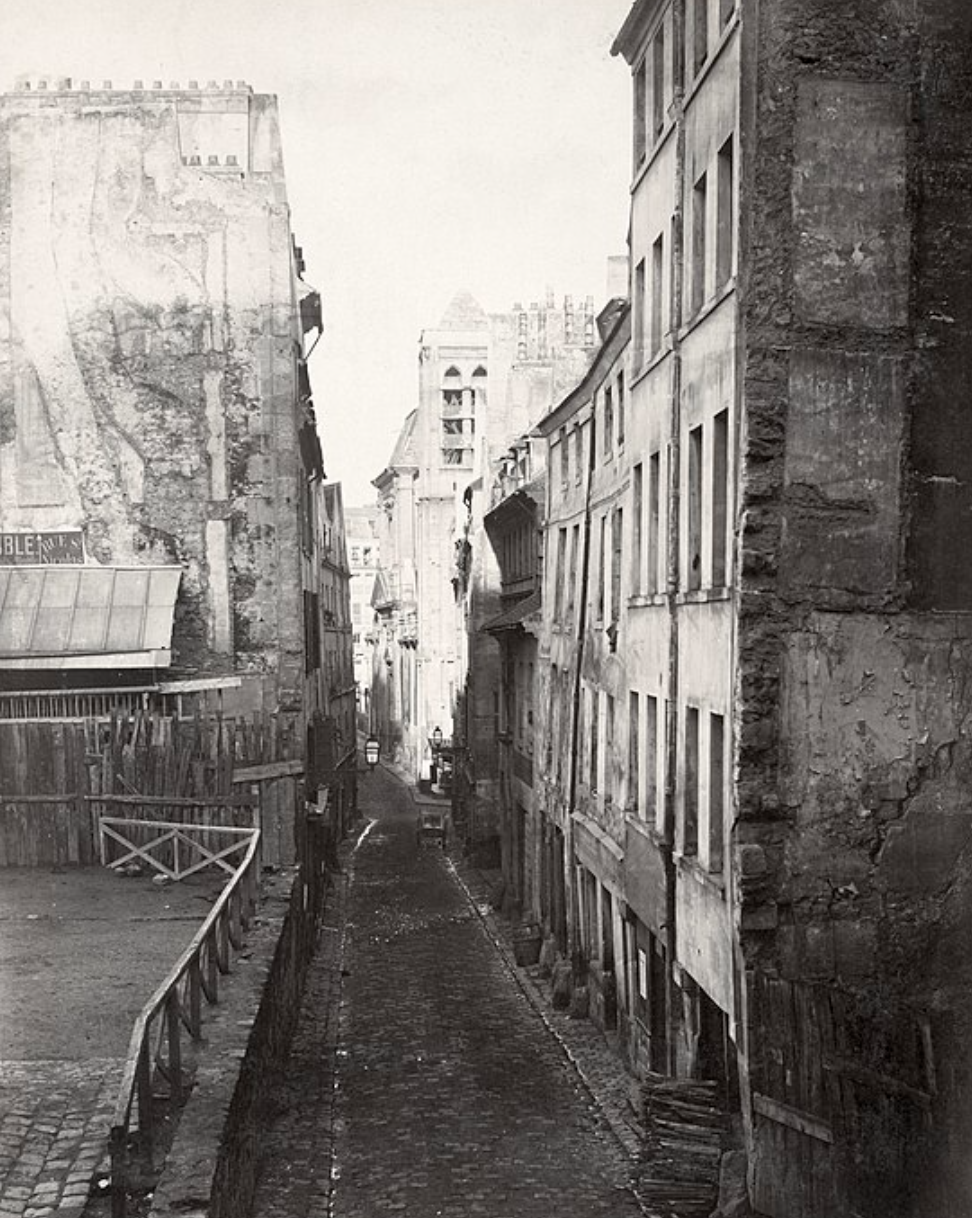
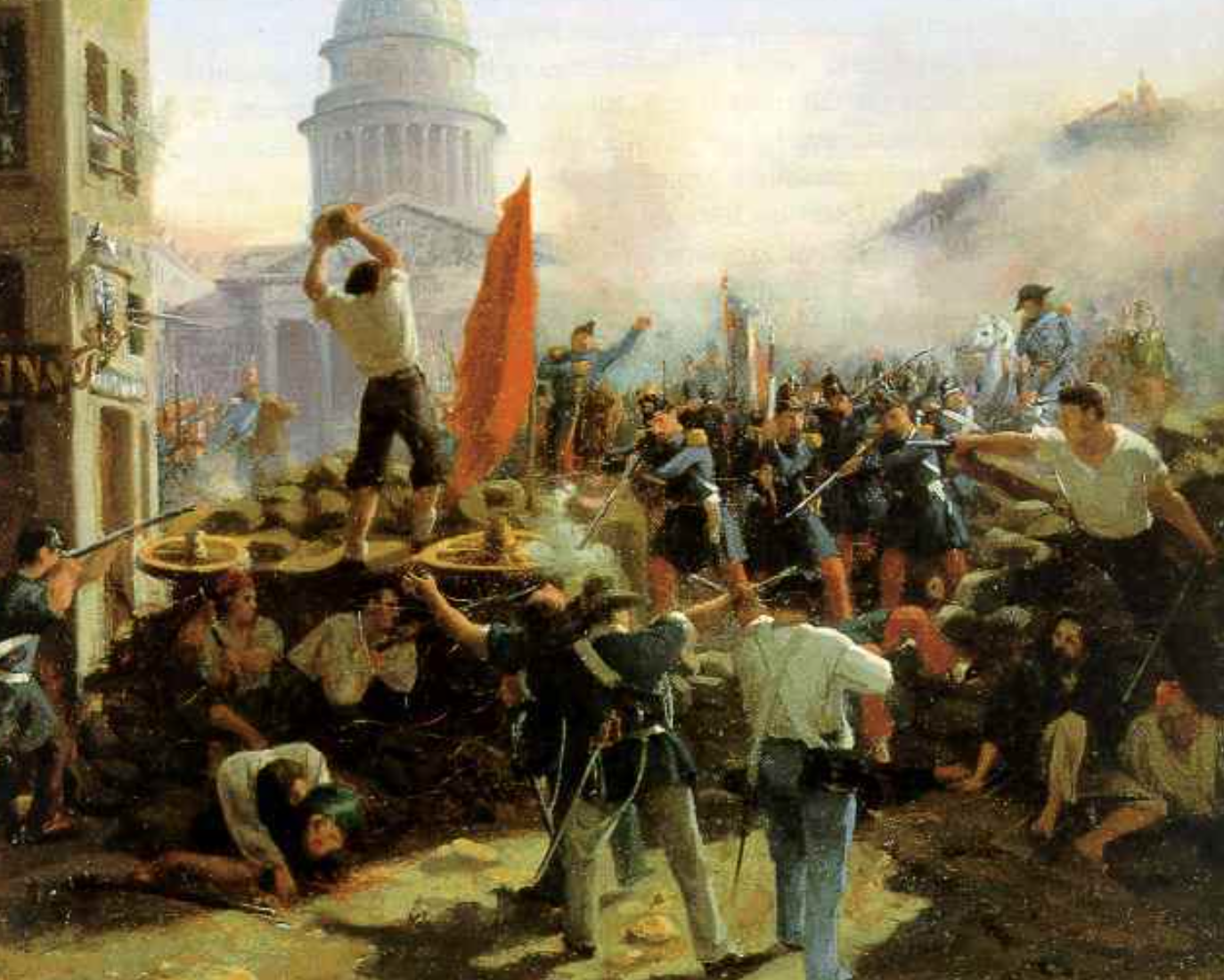
Before the mid-19th century, Paris was notorious for its filth, almost impossible to imagine now. A French philosopher of the early 19th century described it this way: "Paris is rife with corruption; poverty, plague and disease are part of daily life, and within the city one can hardly see fresh air or sunlight." Population density was extreme, and when an epidemic struck, it was nothing unusual for an entire block, buildings and all, to be wiped out. The widest street in Paris was a mere 5 meters across, and the narrowest only 1 to 2 meters. Narrow streets like these were easy to barricade, which made them symbols of the people's struggles and revolutions, but few could take a carriage or cart, causing serious traffic jams in the center.
The man who tackled these problems and turned Paris into a world-class city was Baron Haussmann. He saw the city as a single organism and was the first to build an entire city systematically. Before him, new-city building in Europe mostly meant creating beautiful cities to glorify the monarch. Haussmann, however, left nothing out: infrastructure, road networks, green spaces, aesthetic regulation and city administration. Paris was transformed into a modern city, utterly unlike its medieval self.
Haussmann's new Paris was a great success. Parisians grumbled about the enormous construction costs, but foreign visitors lavished praise on the project. Most remarkable of all is that a city built in the mid-19th century still functions superbly today, more than a century later, with little change.
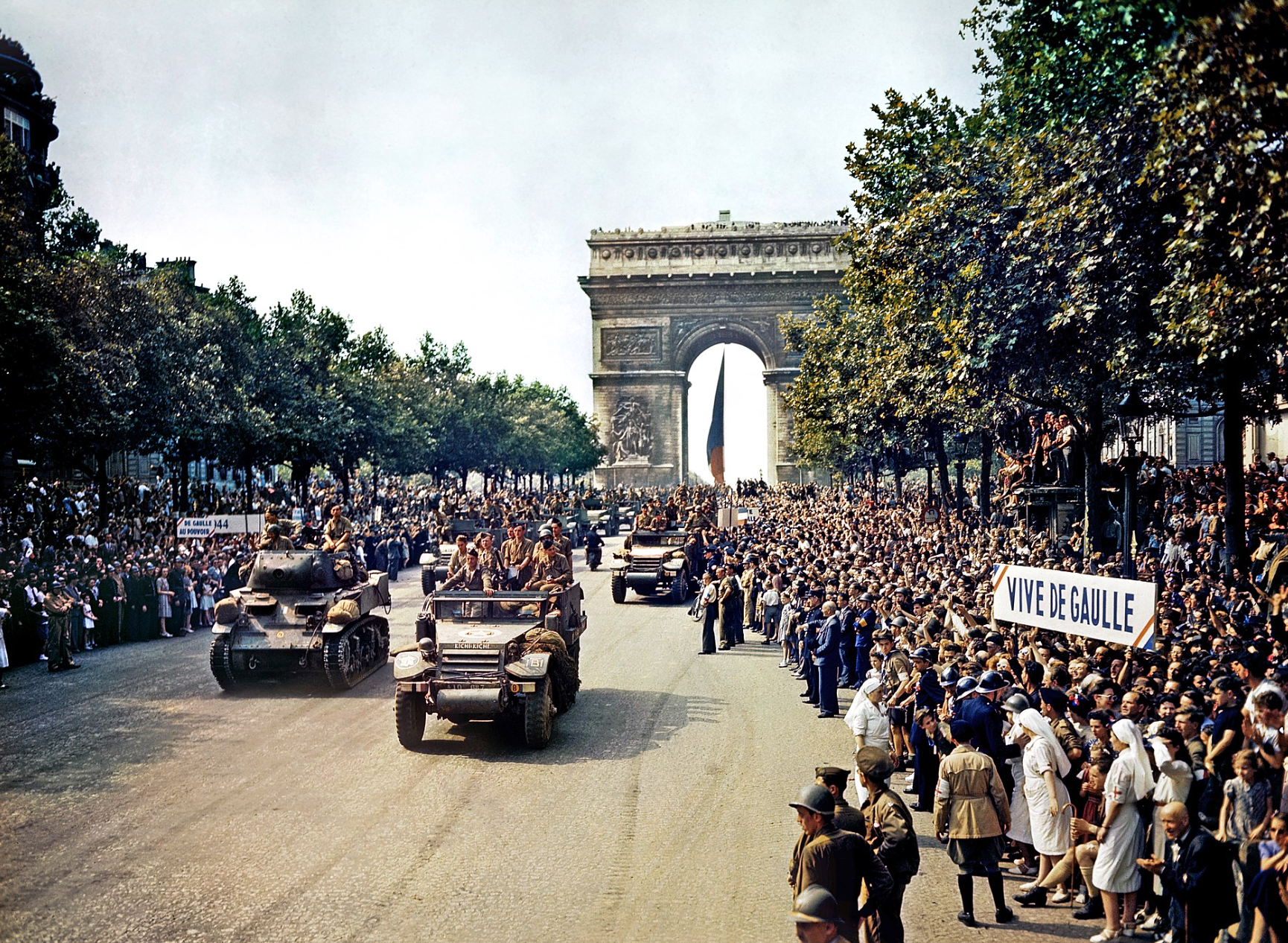
The Arc de Triomphe offers so much to feel and see: the grandeur of glorious victory, the solemnity of those who died for their country, the effort not to forget the past, the aura of monumental architecture and a panorama of all Paris. It is no wonder it is so famous.