Housed in a spectacular former railway station on the Left Bank of the Seine, the Musée d’Orsay holds the world’s greatest collection of Impressionist and Post-Impressionist painting — Van Gogh, Monet, Renoir, Degas, Manet and Cézanne, all under one glass roof.
It is also far more manageable than the Louvre: with a plan, you can see the essentials in about three hours. This guide covers everything you need to organize your visit.
Tickets: Book a Time Slot Online
- Online ticket: €16 (includes booking fee) — book a timed slot at musee-orsay.fr
- At the museum: €14 — but expect a queue, especially mid-morning
- Thursday evening: reduced rate after 18:00, when the museum stays open late
- Free entry: under 18, EU residents 18–25, disabled visitors and one companion — and for everyone on the first Sunday of each month (reservation still required)
Combined tickets with the Musée de l’Orangerie and the Musée Rodin also exist — worth it if you plan to visit either within a few days.
Opening Hours
- Open: Tuesday to Sunday, 9:30 to 18:00
- Late night: Thursday until 21:45
- Closed: Monday, May 1, December 25
Best time to visit: right at opening on a weekday, or Thursday evening — after 18:00 the tour groups are gone and the top floor feels like a different museum.
Getting There
- RER C: Musée d’Orsay station — directly beneath the museum
- Metro: Line 12 → Solférino (5-min walk)
- On foot: 15 minutes from the Louvre, straight across the Tuileries and the Seine
How the Building Works
The Orsay is a converted train station: one long nave with collections on three main levels.
- Level 5 — the Impressionist gallery: Van Gogh, Monet, Renoir, Degas, Cézanne. The reason most people come, and the busiest floor by mid-morning.
- Level 2 — Toulouse-Lautrec, Art Nouveau, and the sculpture terraces.
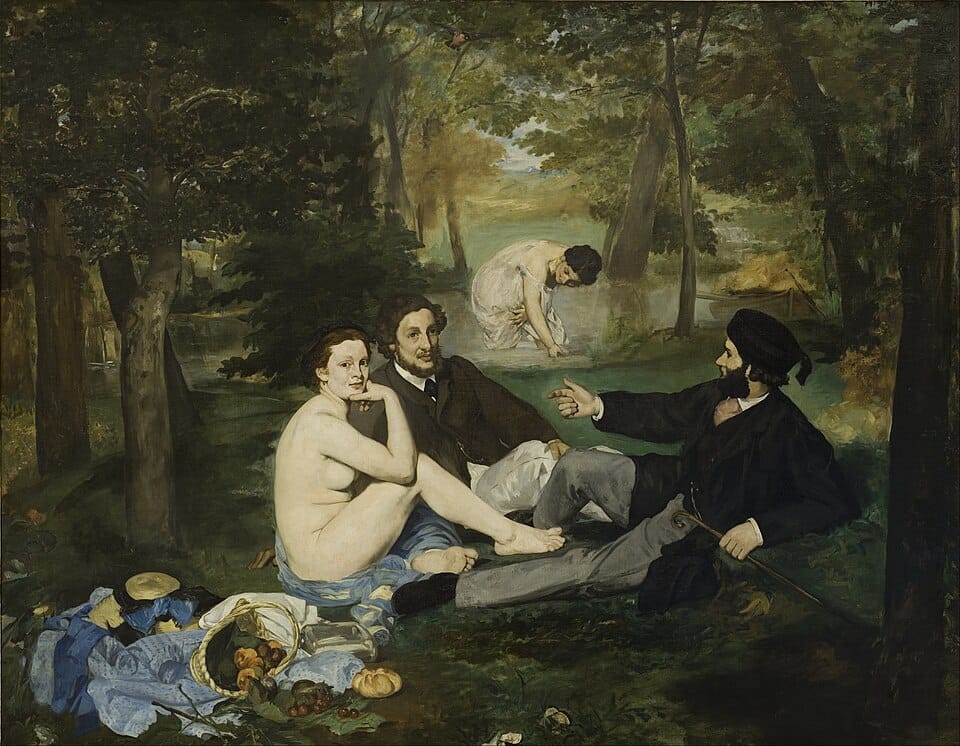
- Ground floor — Manet, Millet, Courbet and the pre-Impressionist rooms, laid out along the old station platforms.
The classic mistake is starting on the ground floor and reaching the Impressionists already tired. Take the escalator to Level 5 first, then work your way down.
How Long Does a Visit Take?
Plan on 2.5 to 3.5 hours for the highlights at a comfortable pace. The collection is dense — 30 minutes on Level 5 alone can hold a dozen world-famous paintings.
Not sure what to prioritize? Our Orsay must-see guide lists 28 masterpieces with the exact room each one hangs in.
Practical Tips
- Go up first. Level 5 before 11:00 or after 18:00 on Thursdays is a different experience.
- Find the clock window. Behind the Level 5 café, the giant station clock frames a view over the Seine to Montmartre — the museum’s best photo spot.
- Check what’s on the wall. Paintings travel for exhibitions; if one work is the reason you’re coming, verify it’s on display first.
- Photography is fine without flash — tripods and selfie sticks are not.
A 3-Hour Plan That Works
- Arrive at 9:30 with an online timed ticket
- Escalator straight to Level 5 — Impressionists while the rooms are still quiet
- Level 2 — Toulouse-Lautrec and the terraces
- Ground floor — Manet, Courbet, Millet on the way out
- Out by 12:30, before the midday peak
Final Thought
The Orsay rewards a simple plan: a timed ticket, an early start, and the top floor first. Do that, and the most beautiful collection of 19th-century art in the world is yours for a morning.
Plan your visit with MuseCat →
Want to know which artworks to prioritize? Read our guide to the 28 Orsay must-sees, room by room.
Artwork images via Wikimedia Commons — public domain or licensed under CC BY-SA.